Select the language

Notifications

Loading…

Space Facts

Planets

256 Facts

Stars & Galaxies

130 Facts

Black Holes

21 Facts

Moon

82 Facts

Mars

38 Facts

Space Exploration

205 Facts

Satellites & Orbit

69 Facts

Asteroids & Comets

47 Facts

Exoplanets

38 Facts

Solar System

288 Facts

Space Stations

40 Facts

Astronauts

75 Facts

Telescopes

85 Facts


A day on Mars lasts about 24 hours and 39 minutes
Europa likely hides a global ocean under its ice
A year on Neptune lasts about 165 Earth years
Low Earth orbit needs about 7.8 km/s of speed
The cosmic microwave background is leftover light from the Big Bang
Sunlight takes about 8 minutes to reach Earth
A neutron star is only about 20 kilometers across
A supernova can briefly outshine its whole galaxy
Geostationary satellites appear fixed above one spot on Earth
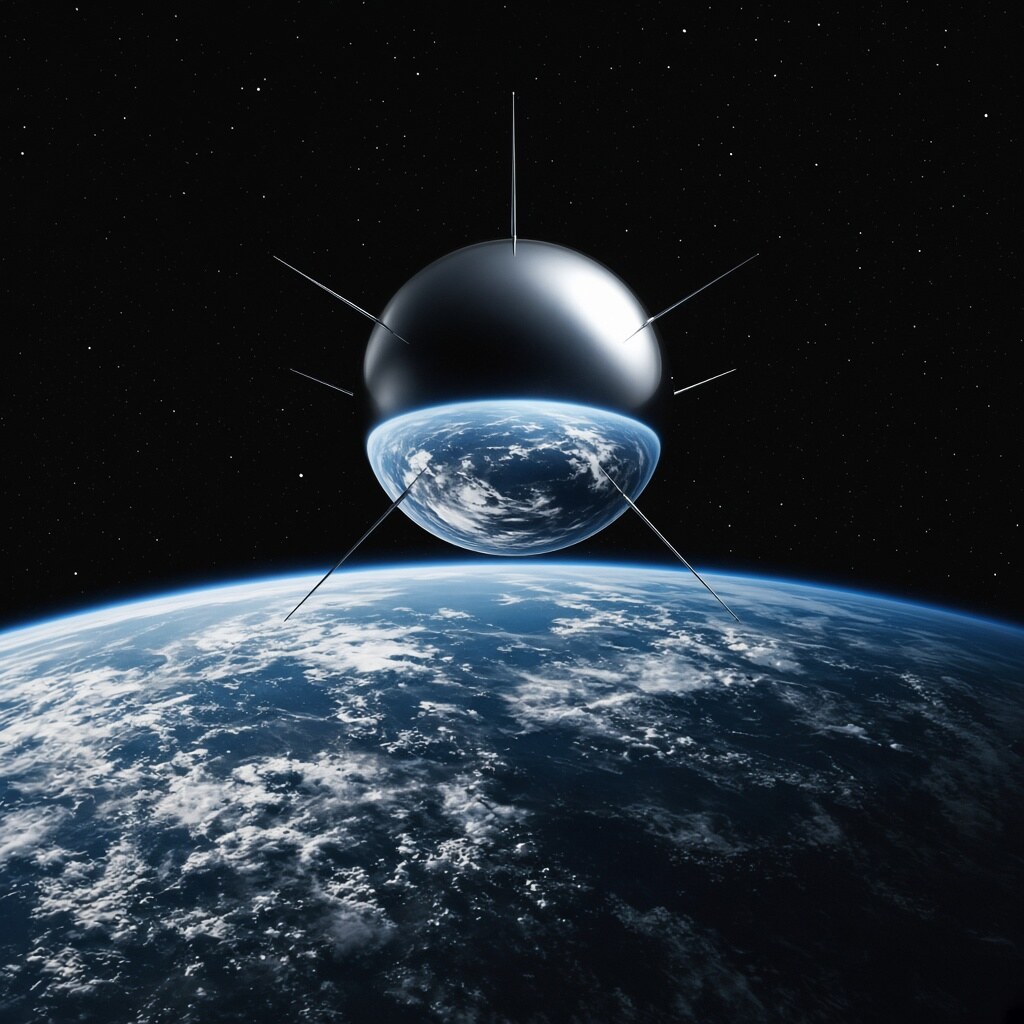
Sputnik 1 was the first artificial satellite
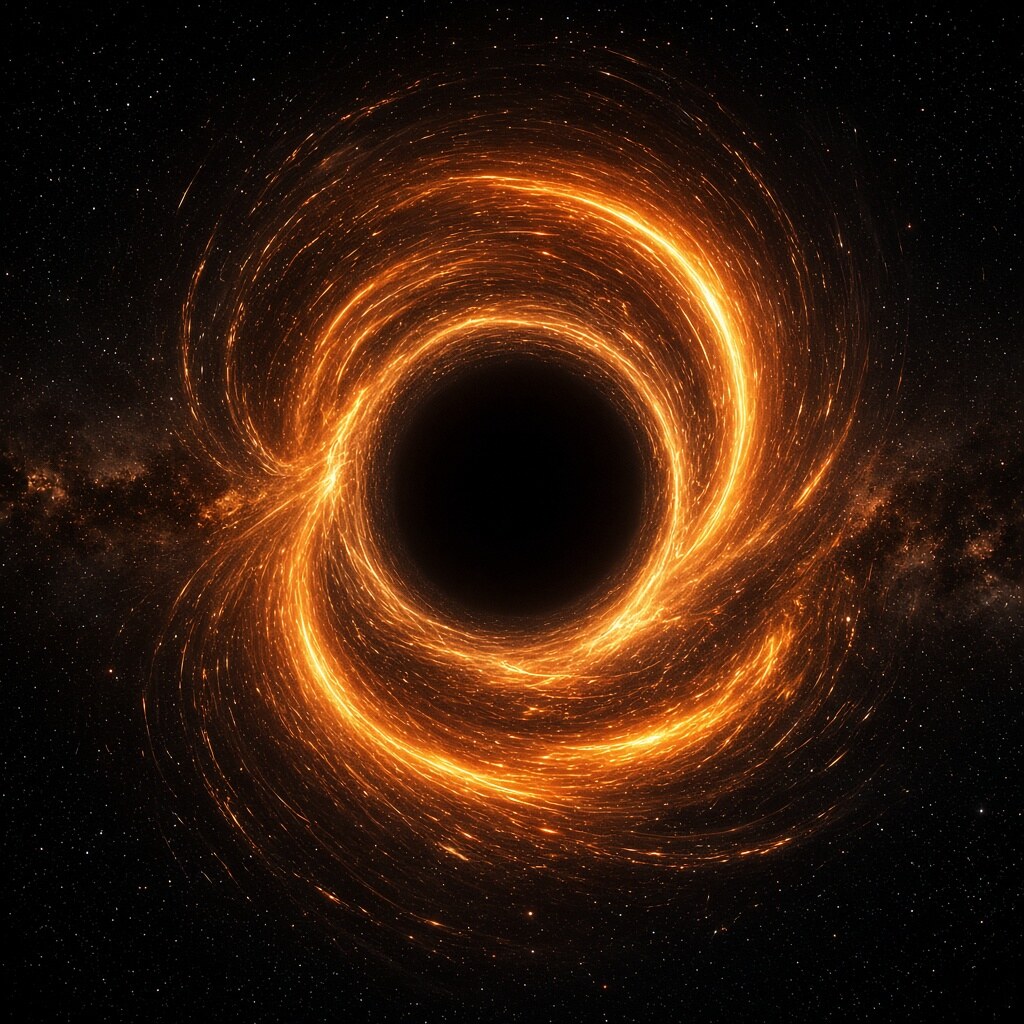
Nothing can escape once past a black hole’s event horizon
A white dwarf can pack a Sun’s mass into an Earth-sized ball
Yuri Gagarin was the first human in space
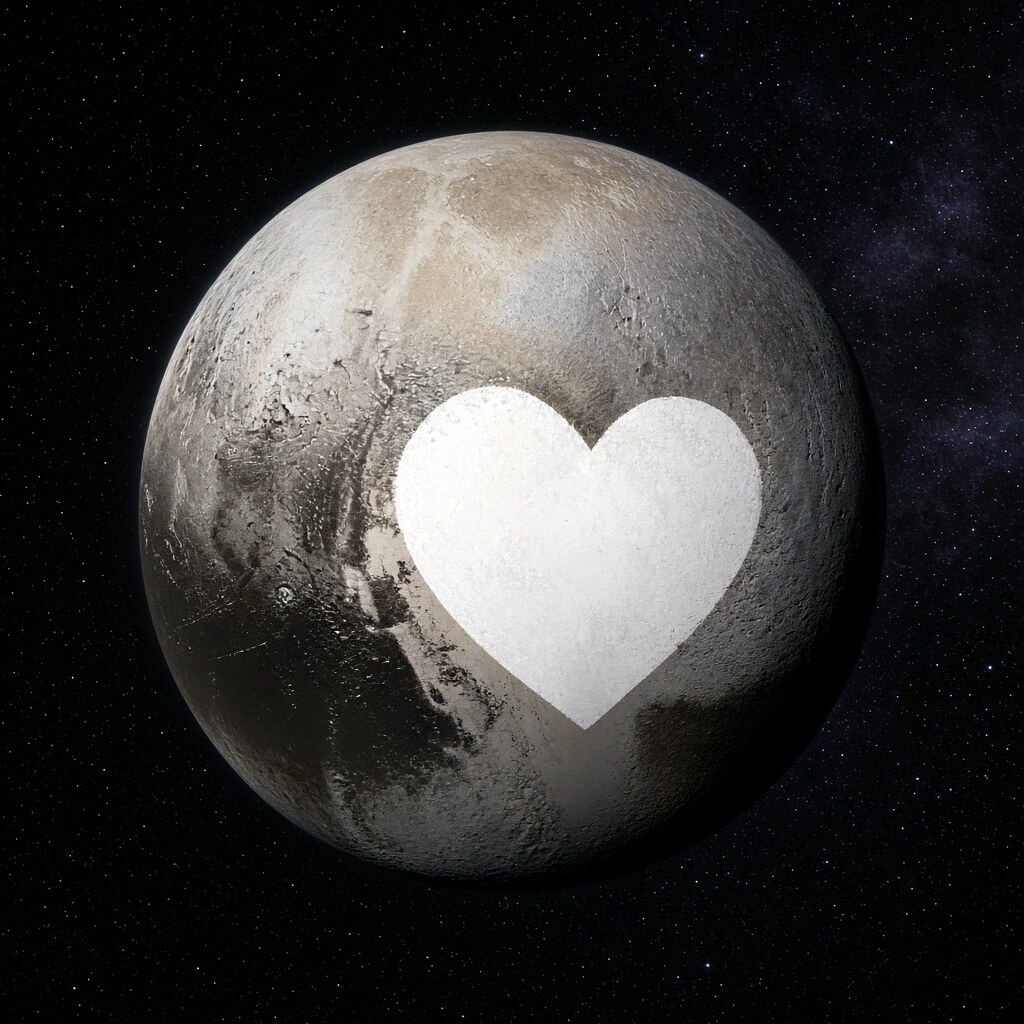
Pluto is classified as a dwarf planet
Titan has lakes of liquid methane and ethane
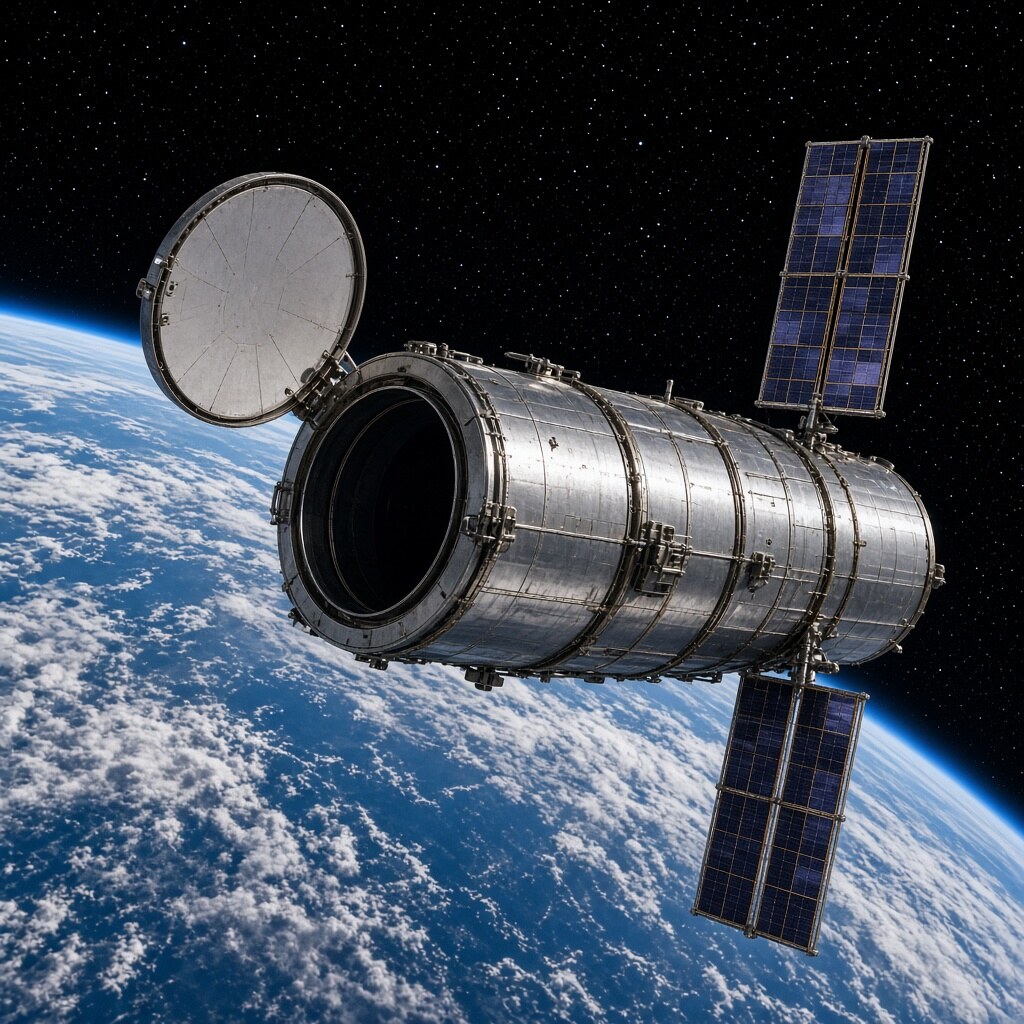
The Hubble Space Telescope has watched the cosmos since 1990
Water ice can survive in permanently shadowed lunar craters
Proxima Centauri is the nearest star beyond our Sun
The Moon always shows Earth nearly the same face
Jupiter’s Great Red Spot is a storm larger than Earth
A day on Venus lasts longer than a year on Venus
Neptune’s winds can reach about 2,000 km/h
Sagittarius A* weighs about 4 million Suns
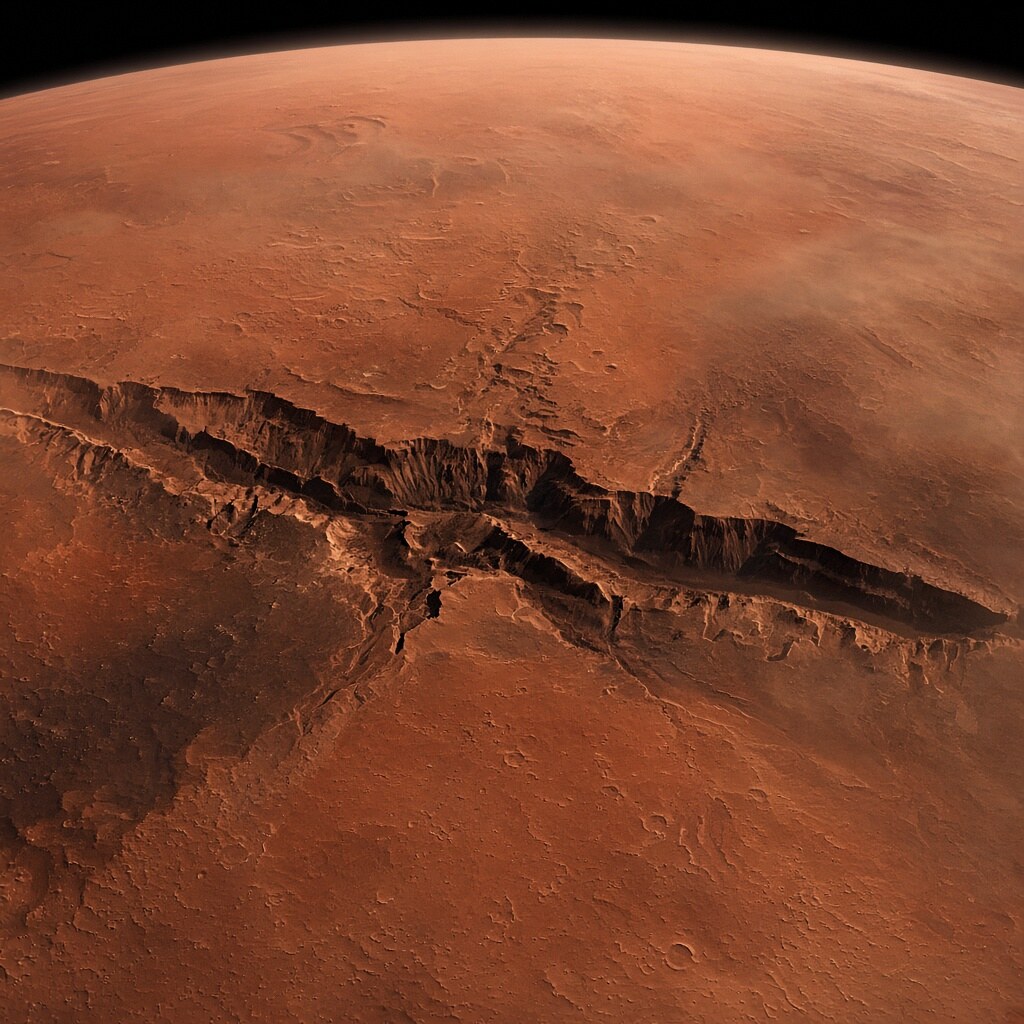
Valles Marineris on Mars stretches longer than the USA is wide
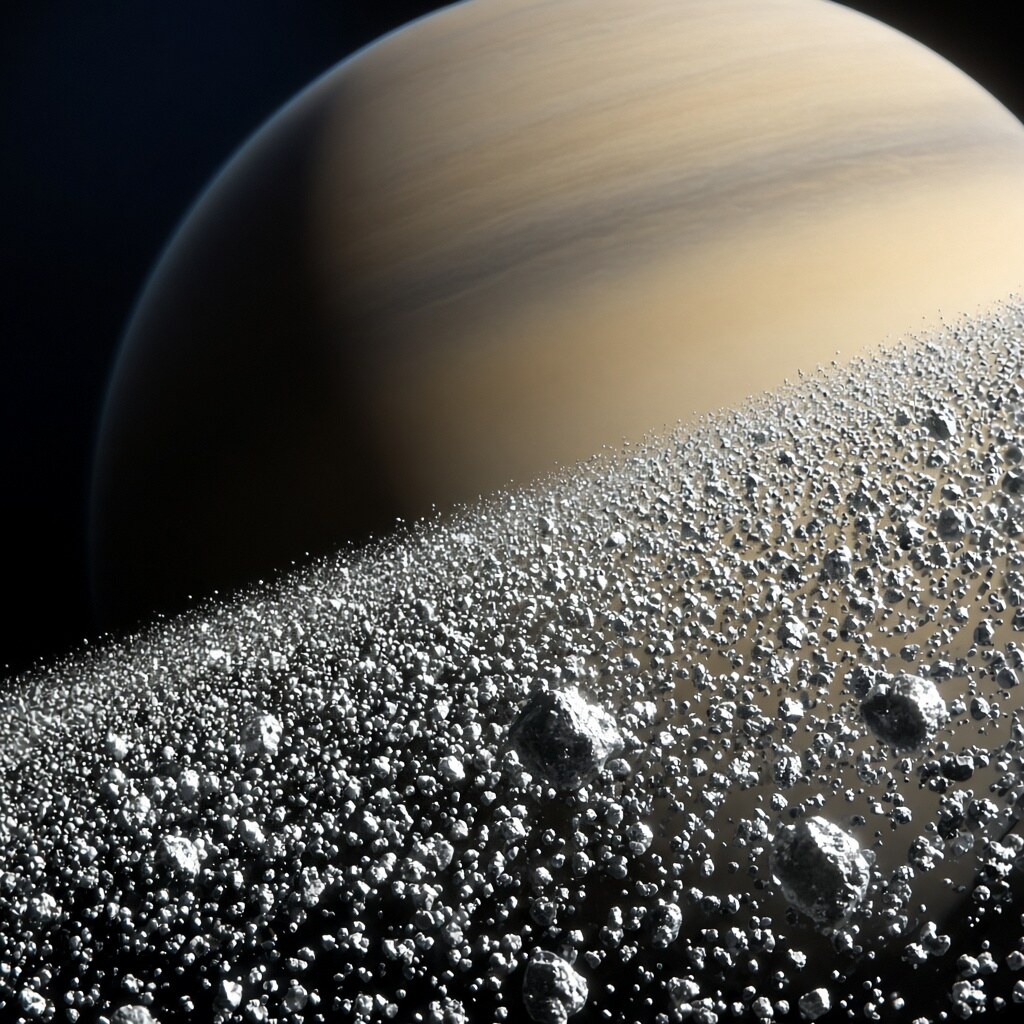
Saturn’s rings are made mostly of ice and rock

Space