
Select the language

Notifications

Loading…

Space Facts

Planets

256 Facts

Stars & Galaxies

130 Facts

Black Holes

21 Facts

Moon

82 Facts

Mars

38 Facts

Space Exploration

205 Facts

Satellites & Orbit

69 Facts

Asteroids & Comets

47 Facts

Exoplanets

38 Facts

Solar System

288 Facts

Space Stations

40 Facts

Astronauts

75 Facts

Telescopes

85 Facts


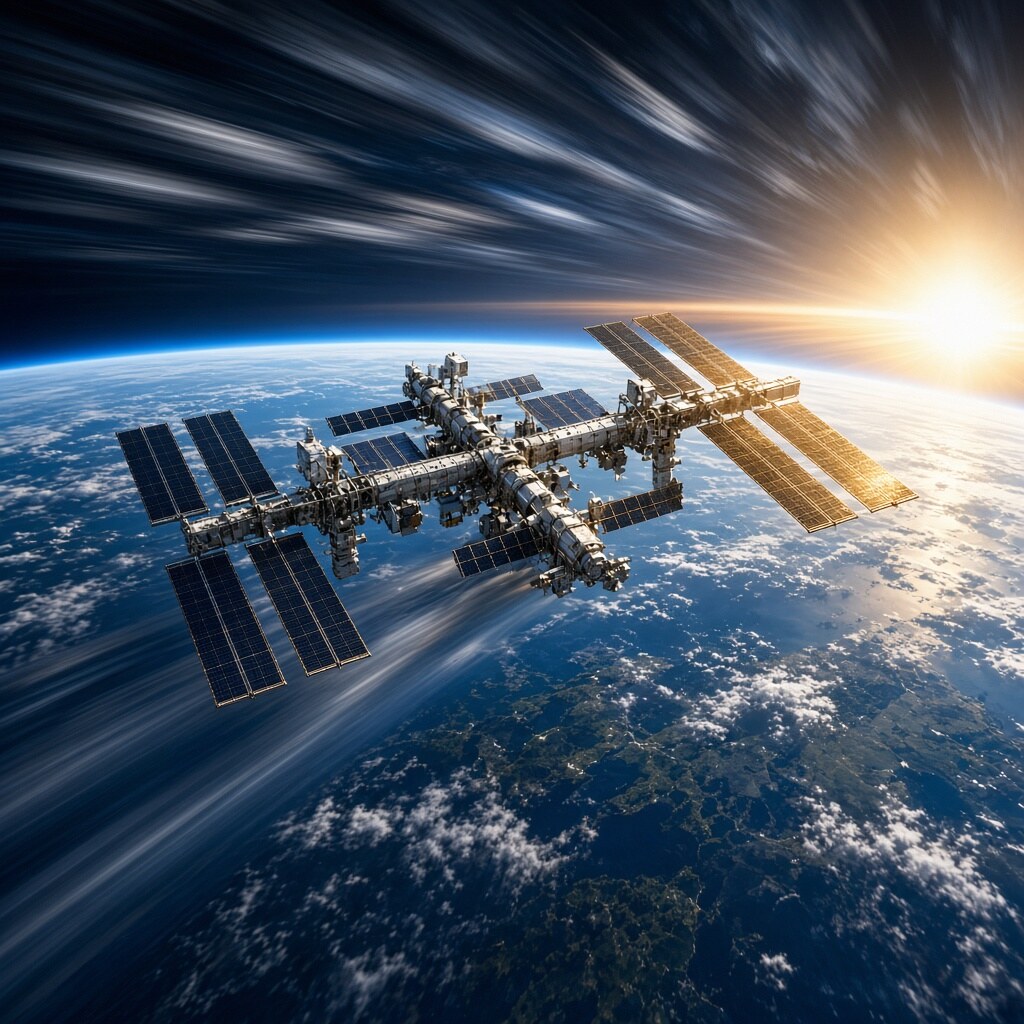
The ISS orbits Earth about once every 90 minutes
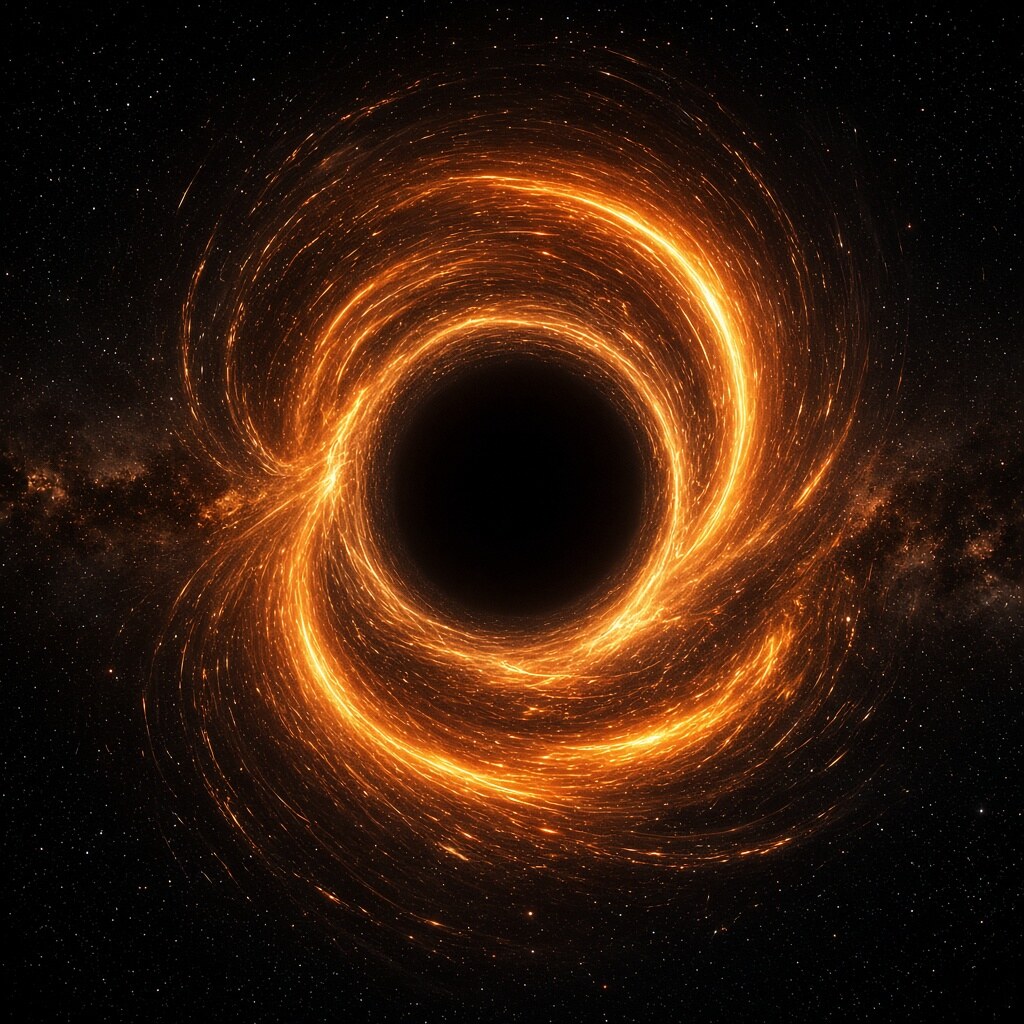
Sagittarius A* weighs about 4 million Suns
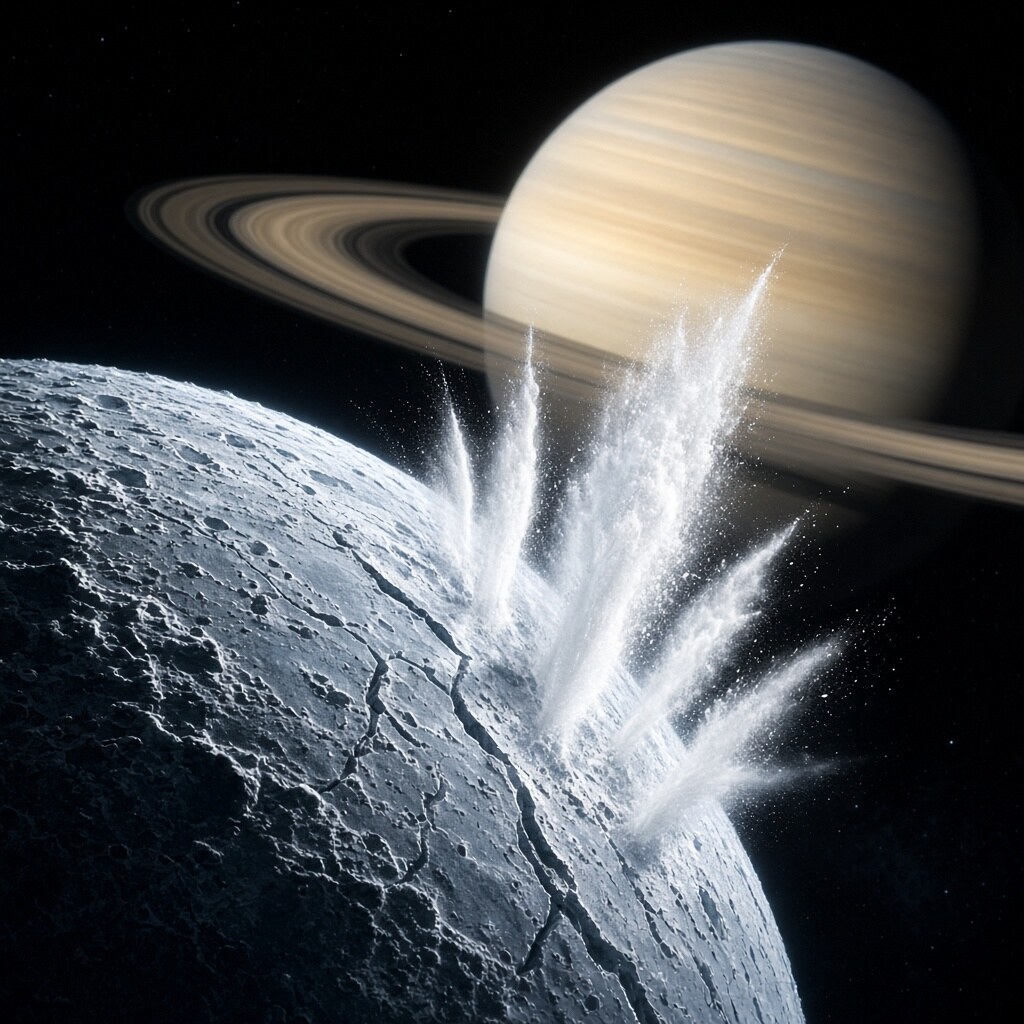
Enceladus shoots geysers of water ice into space
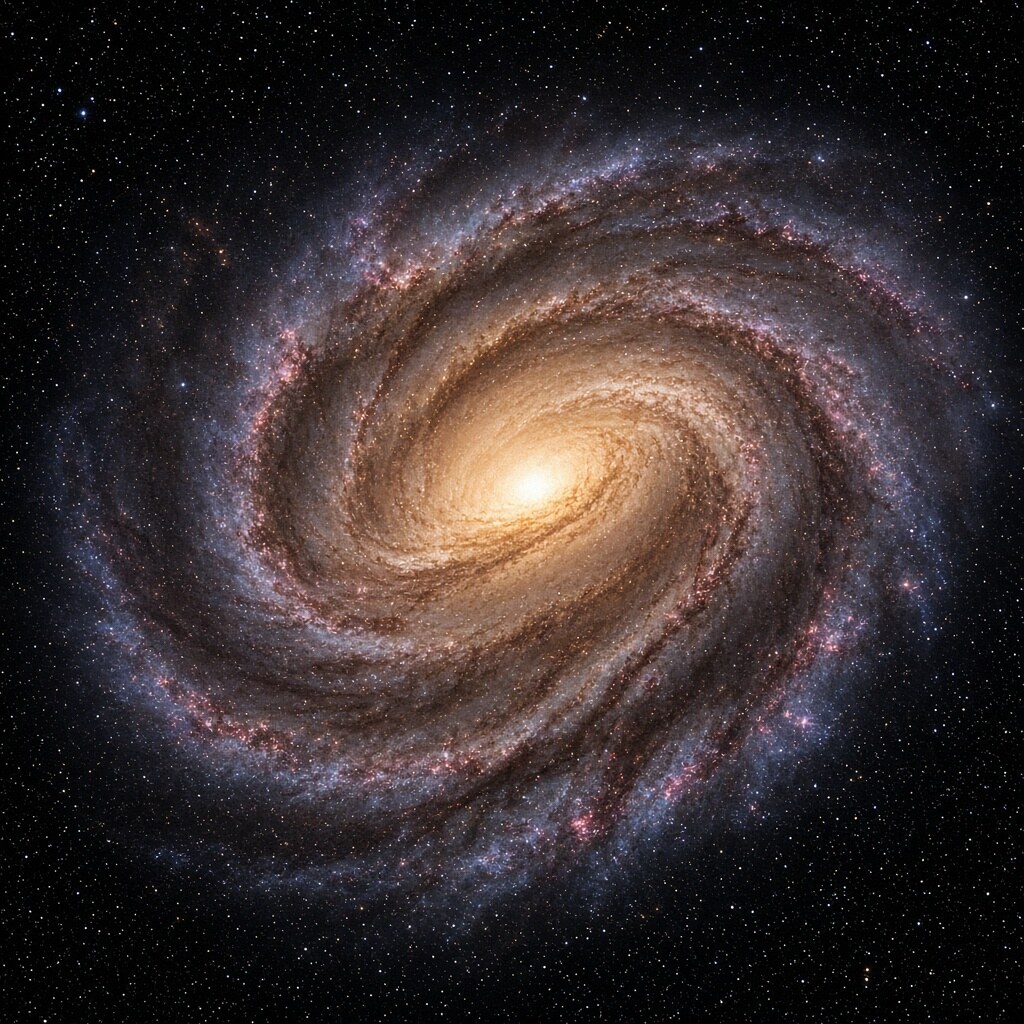
The Milky Way is about 100,000 light-years across
Ganymede is bigger than the planet Mercury
A meteor becomes a meteorite when it hits the ground
One light-year is about 9.5 trillion kilometers
Ceres is the largest world in the asteroid belt
Mercury’s surface can swing from extreme heat to deep freeze
A total solar eclipse can turn day into twilight
Voyager 1 is the farthest human-made object from Earth
The Sun holds about 99.8% of the solar system’s mass
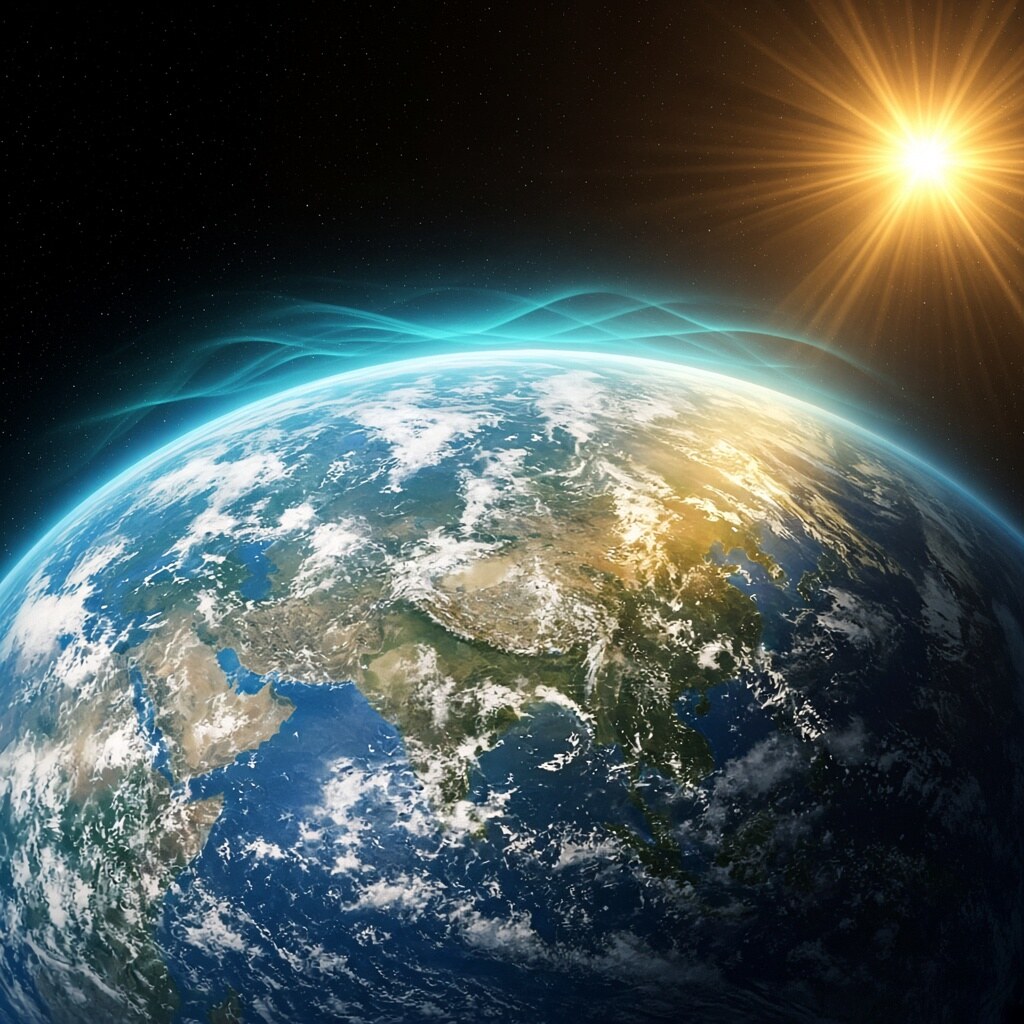
Earth’s ozone layer blocks most harmful UV-B sunlight
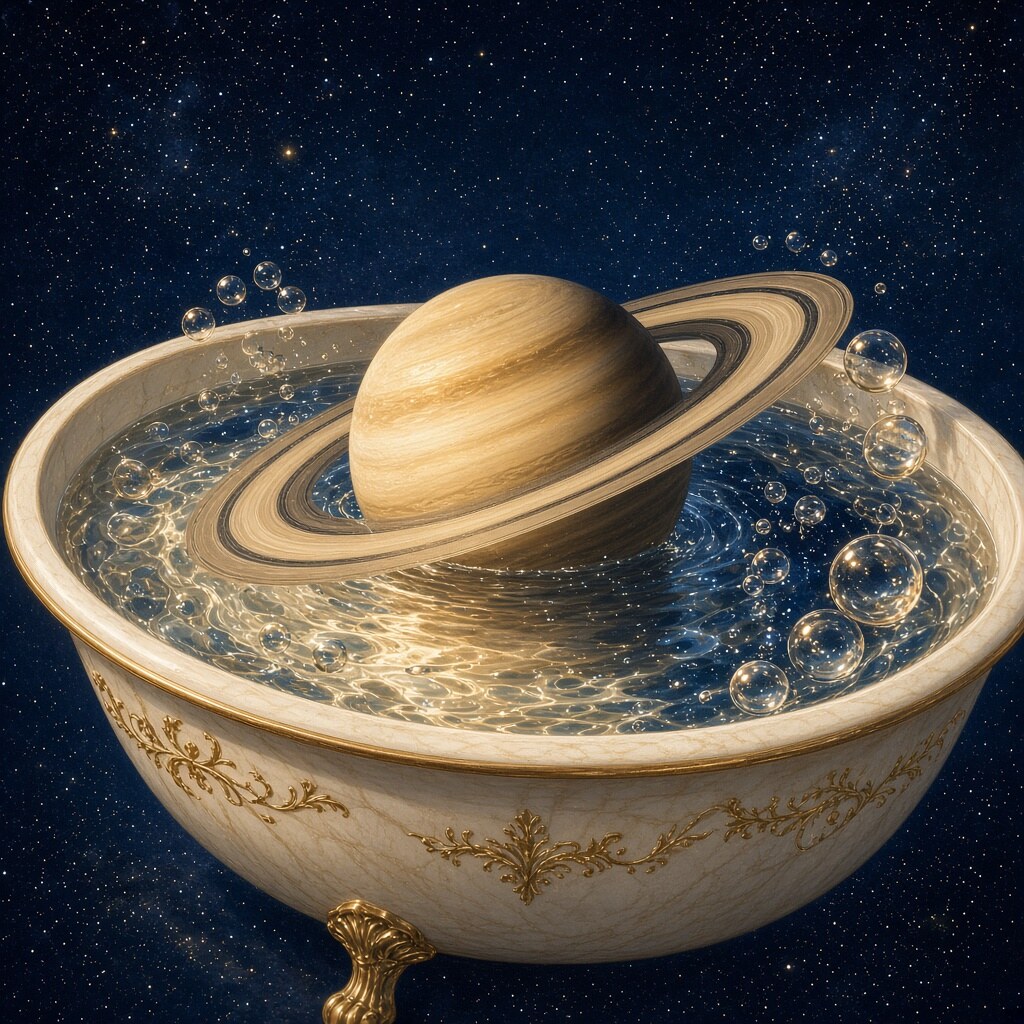
Saturn would float in a bathtub large enough to hold it
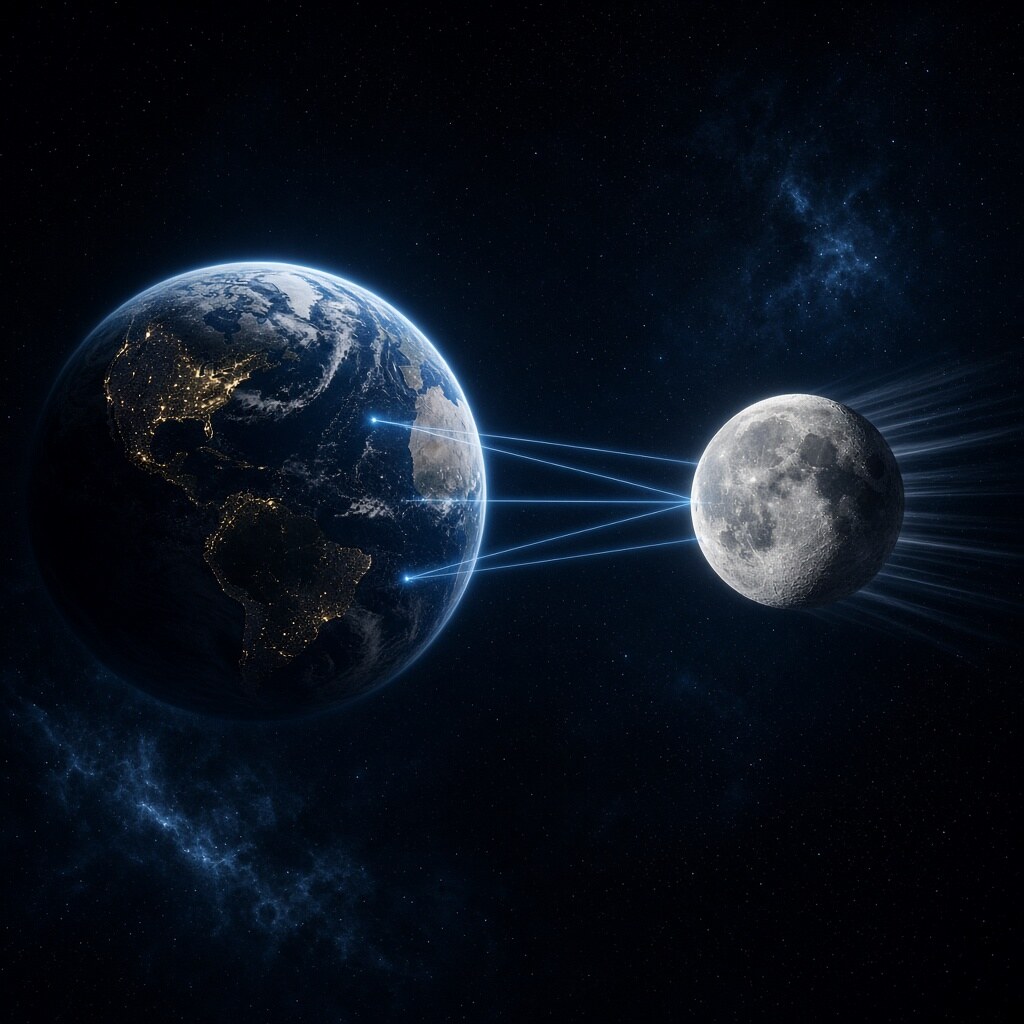
The Moon drifts away from Earth about 3.8 cm every year
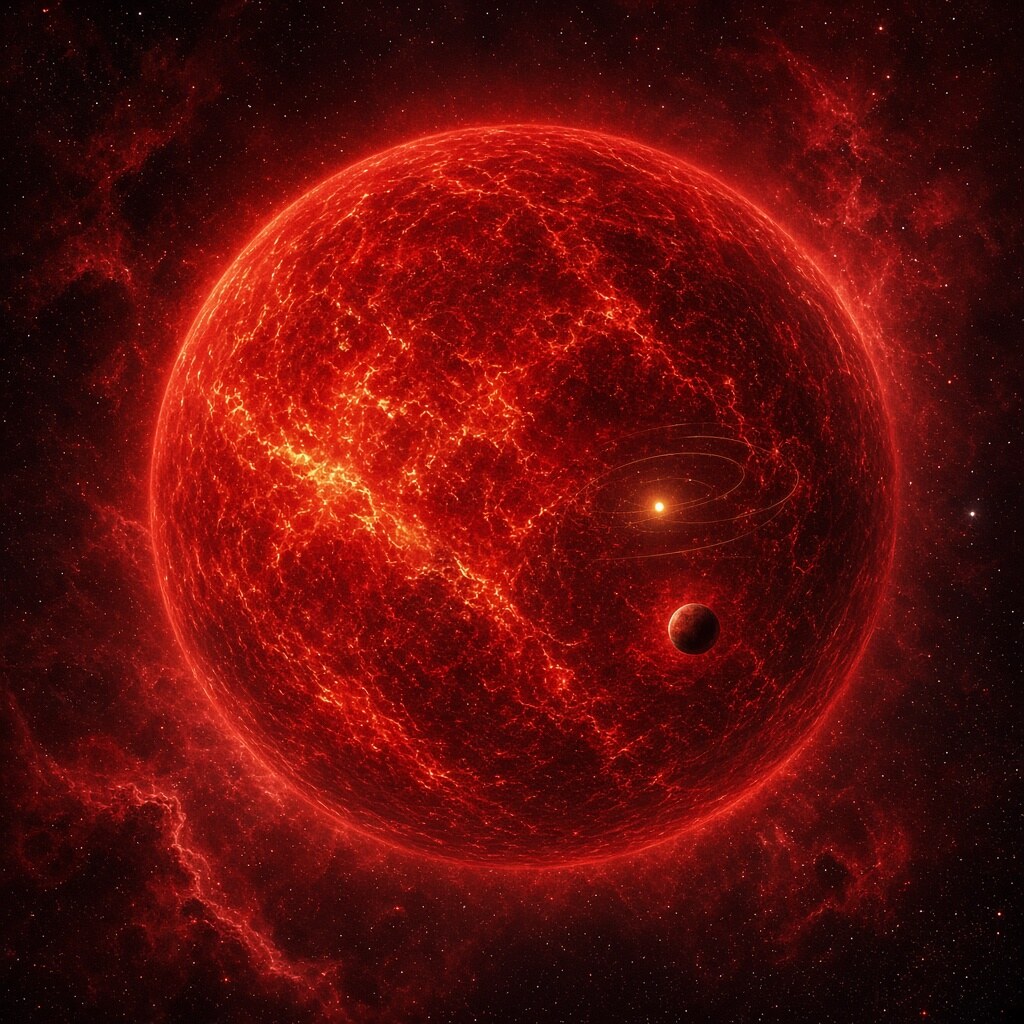
Betelgeuse could swallow the orbit of Mars
Uranus spins tipped nearly on its side
The Milky Way and Andromeda are on a collision course
Astronauts can grow a few centimeters taller in space
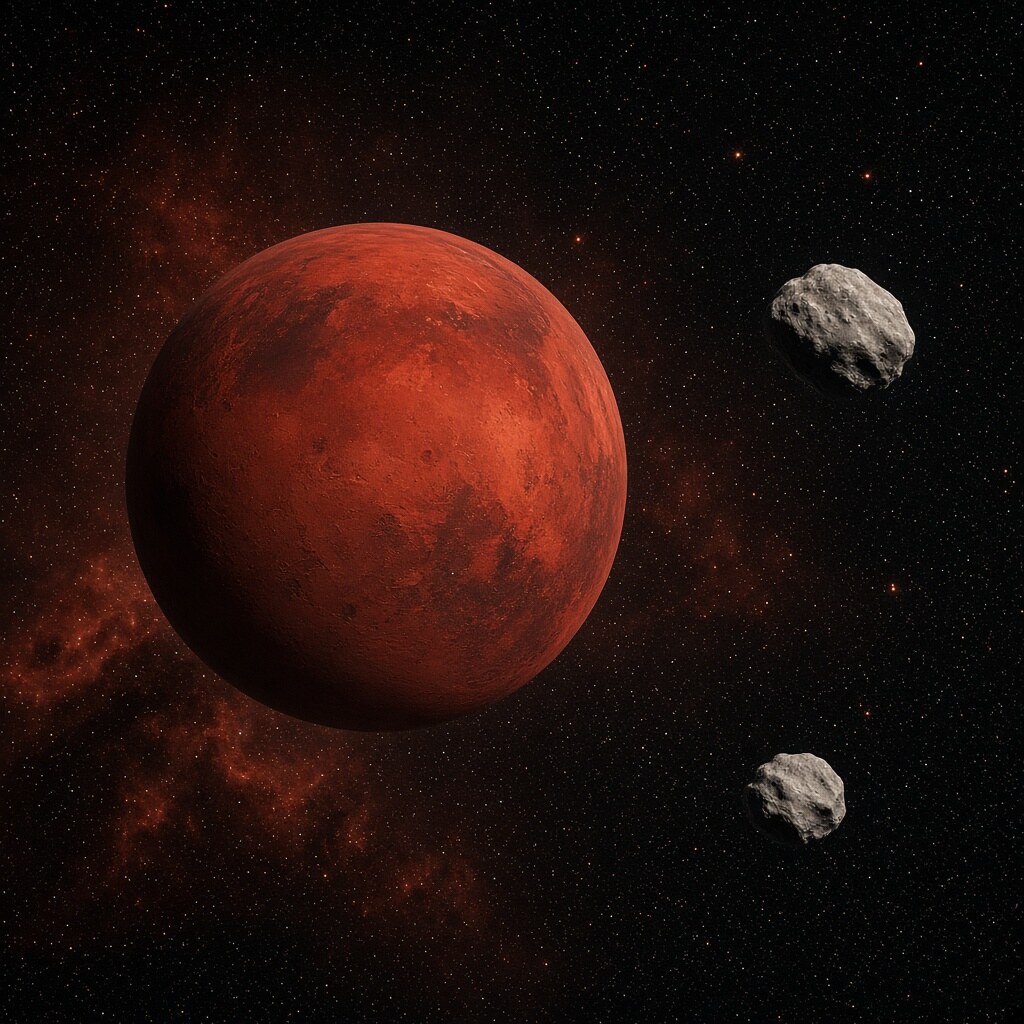
Mars has two tiny moons, Phobos and Deimos
The Kuiper Belt is a ring of icy worlds beyond Neptune
Northern and southern auroras often mirror each other
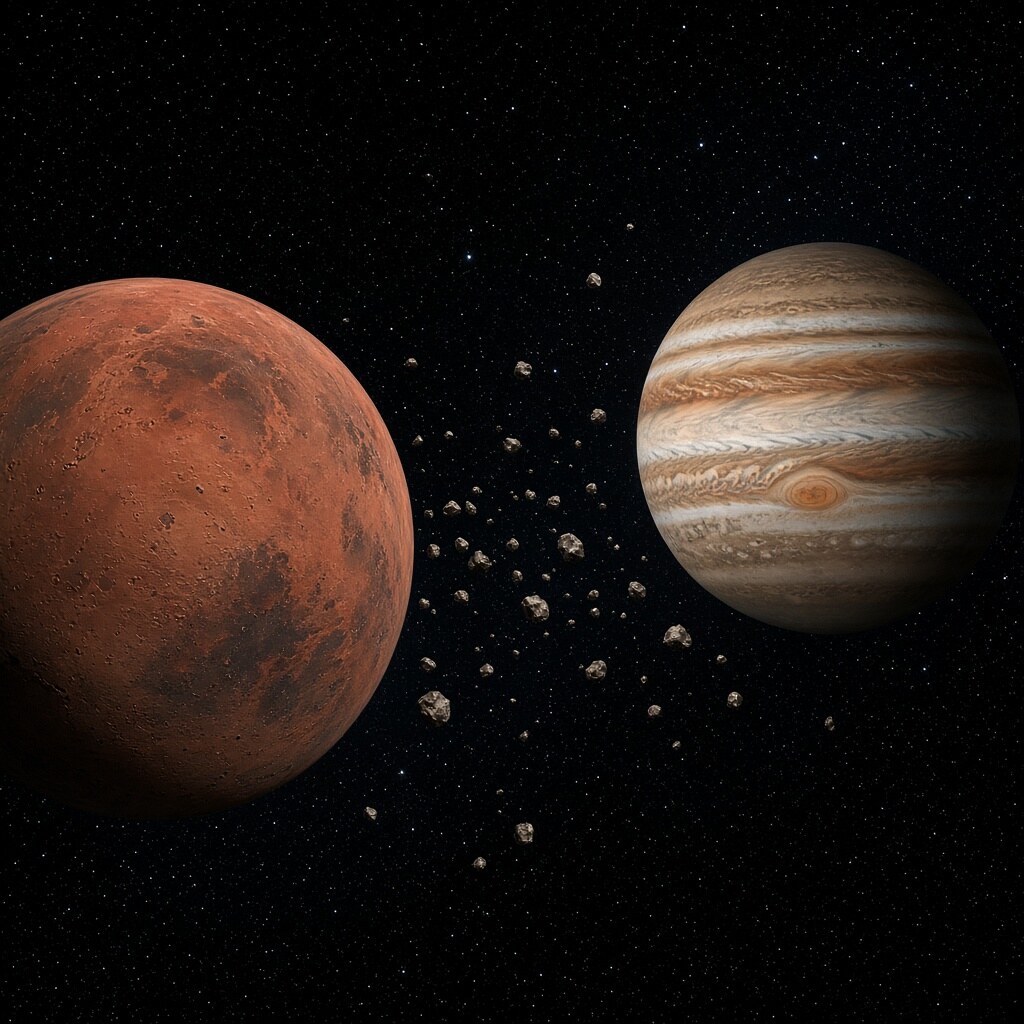
The asteroid belt sits between Mars and Jupiter
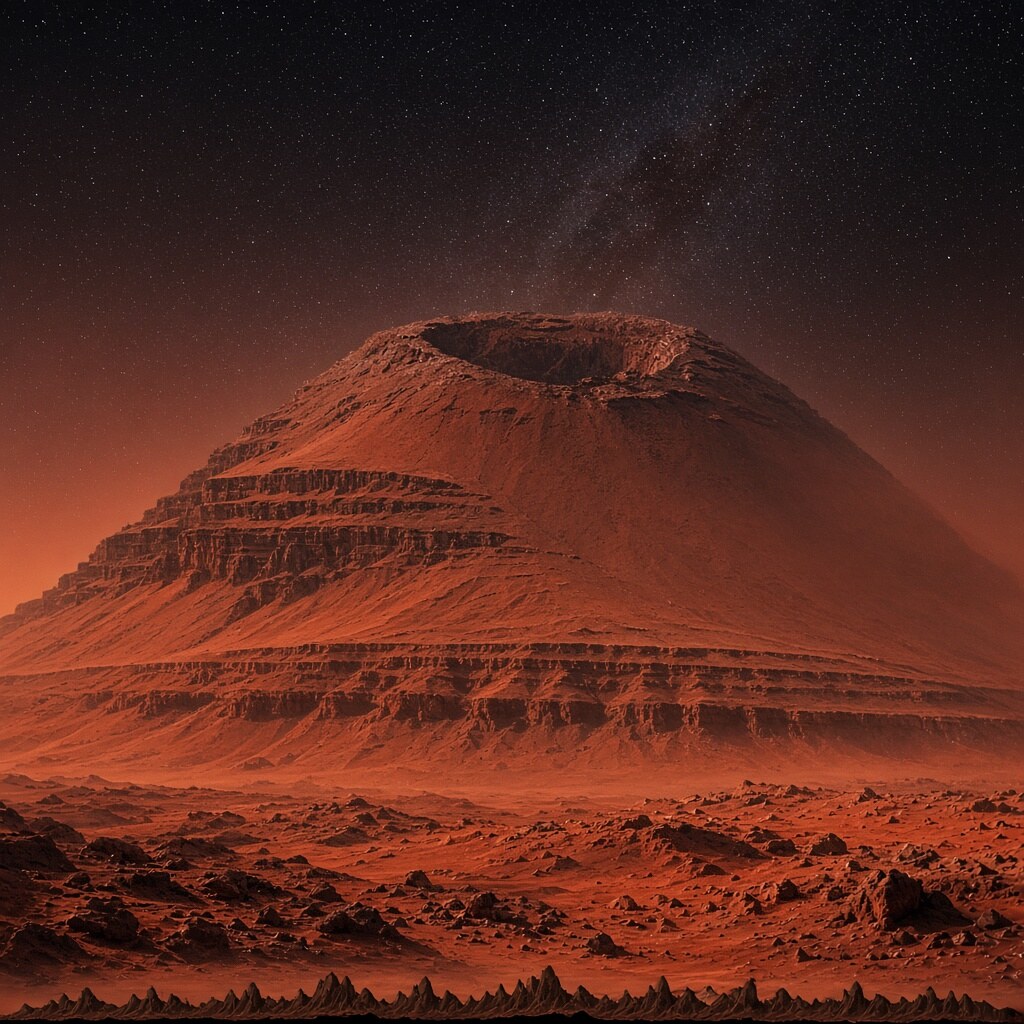
Olympus Mons on Mars is nearly three times taller than Everest
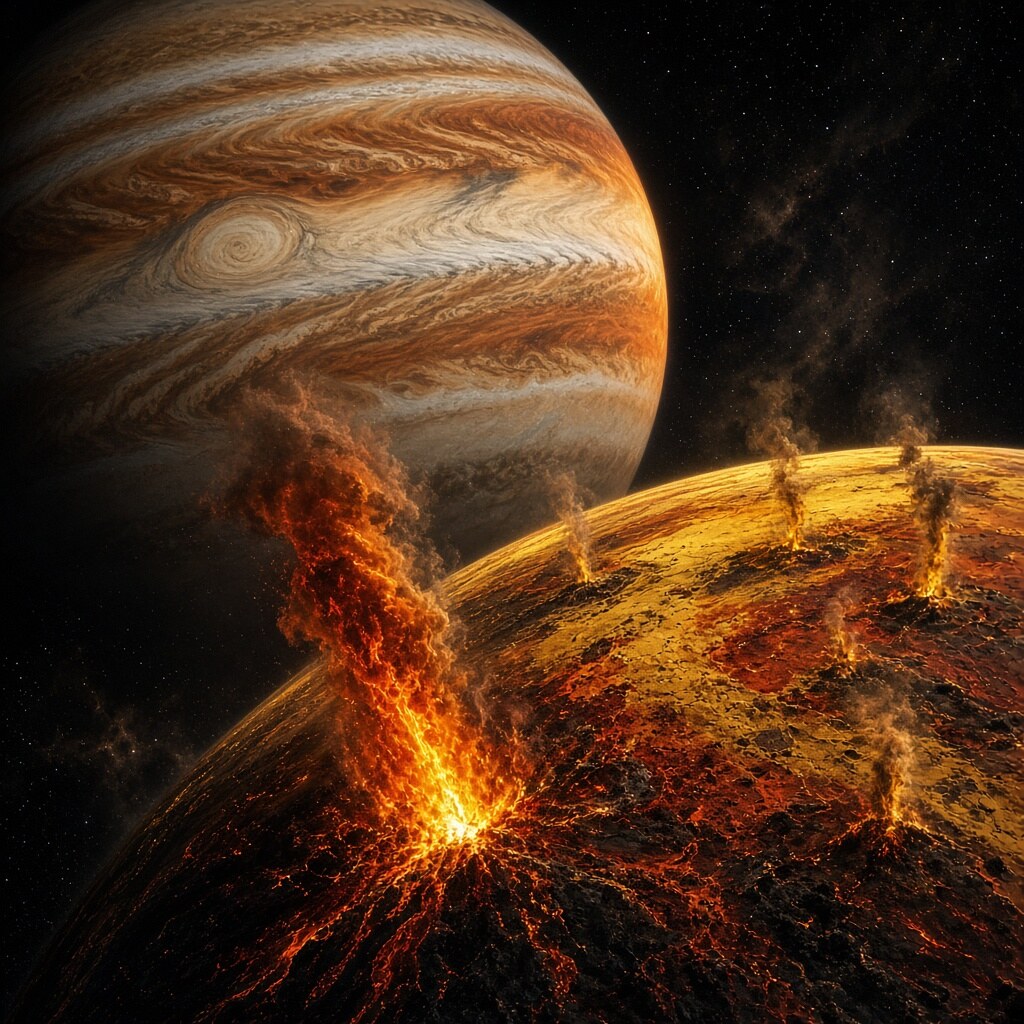
Io is the most volcanically active world in the solar system

Space