
Select the language

Notifications

Loading…
Space Facts

Solar System Facts


A day on Mars lasts about 24 hours and 39 minutes
Europa likely hides a global ocean under its ice
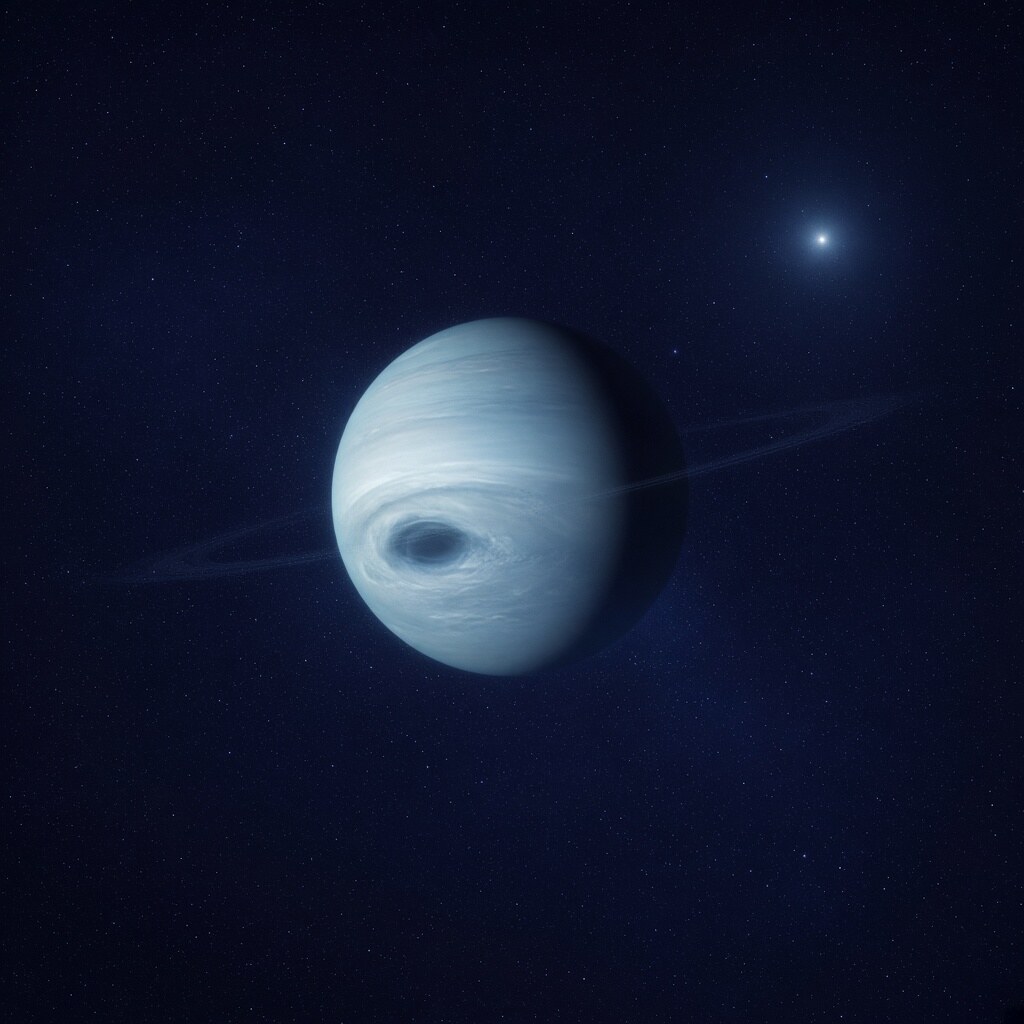
A year on Neptune lasts about 165 Earth years
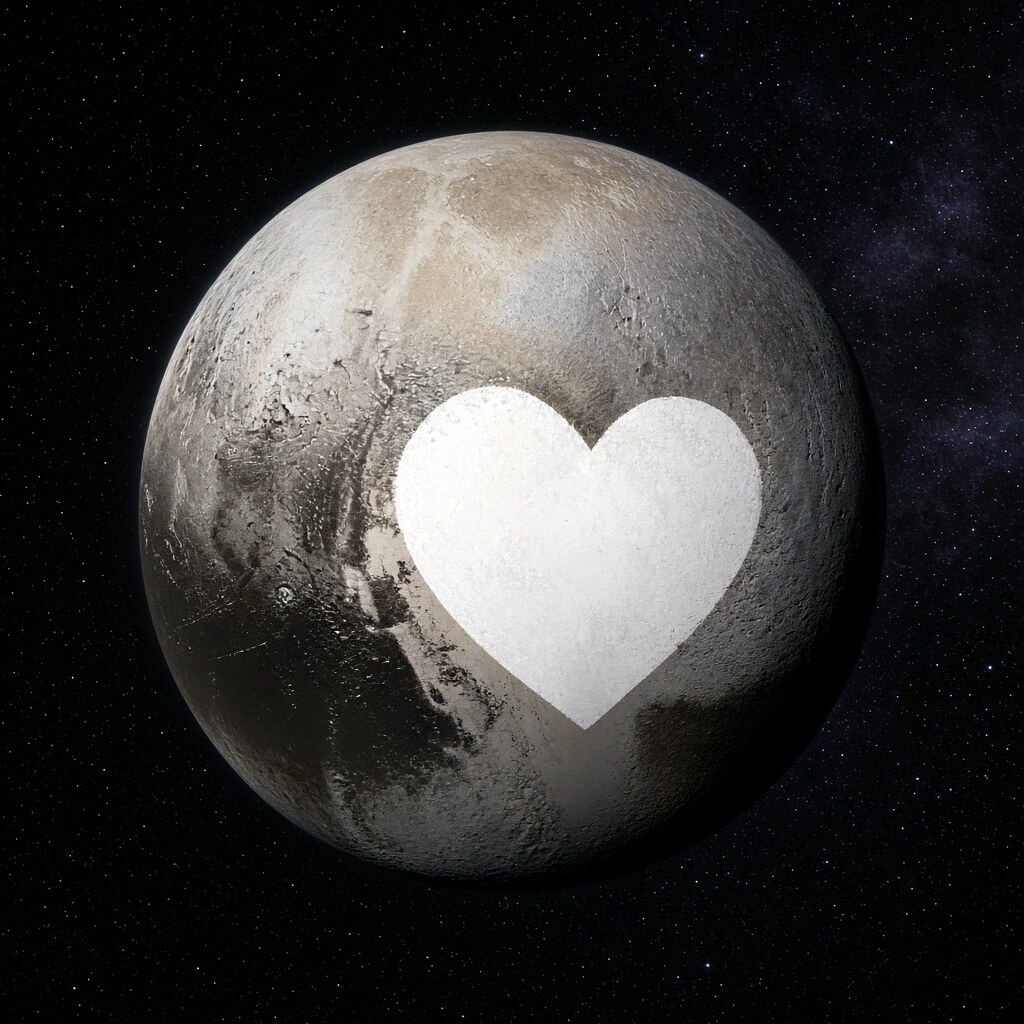
Pluto is classified as a dwarf planet
Titan has lakes of liquid methane and ethane
Sunlight takes about 8 minutes to reach Earth
A day on Venus lasts longer than a year on Venus
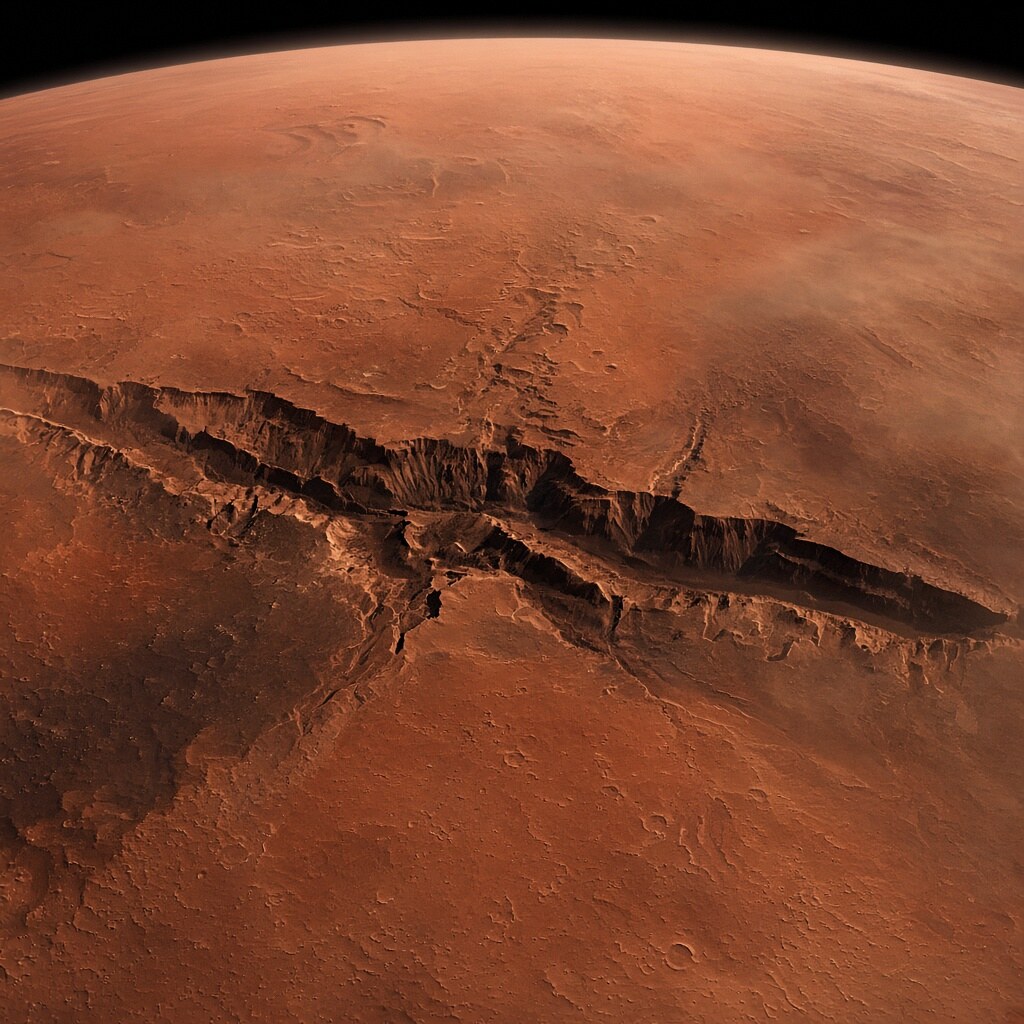
Valles Marineris on Mars stretches longer than the USA is wide
Jupiter’s Great Red Spot is a storm larger than Earth
Neptune’s winds can reach about 2,000 km/h
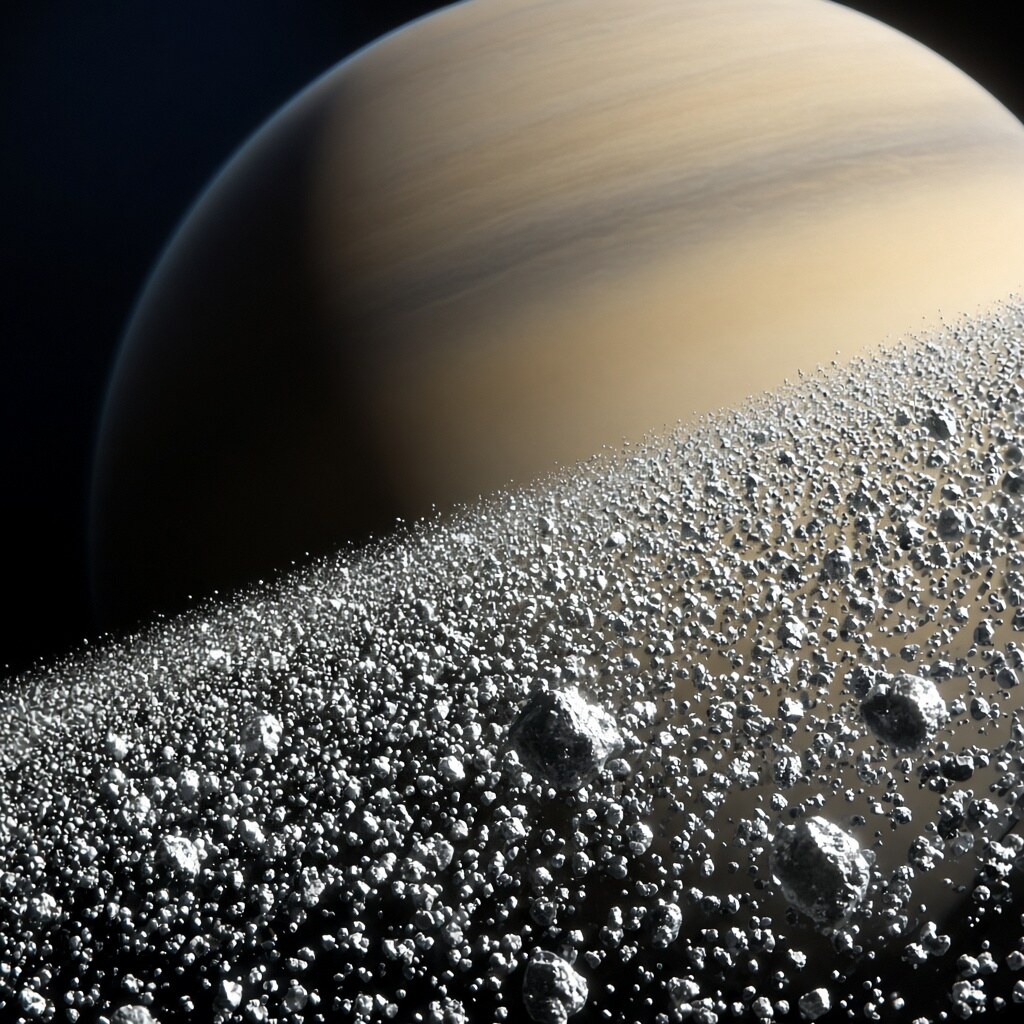
Saturn’s rings are made mostly of ice and rock
A meteor becomes a meteorite when it hits the ground
The Moon always shows Earth nearly the same face
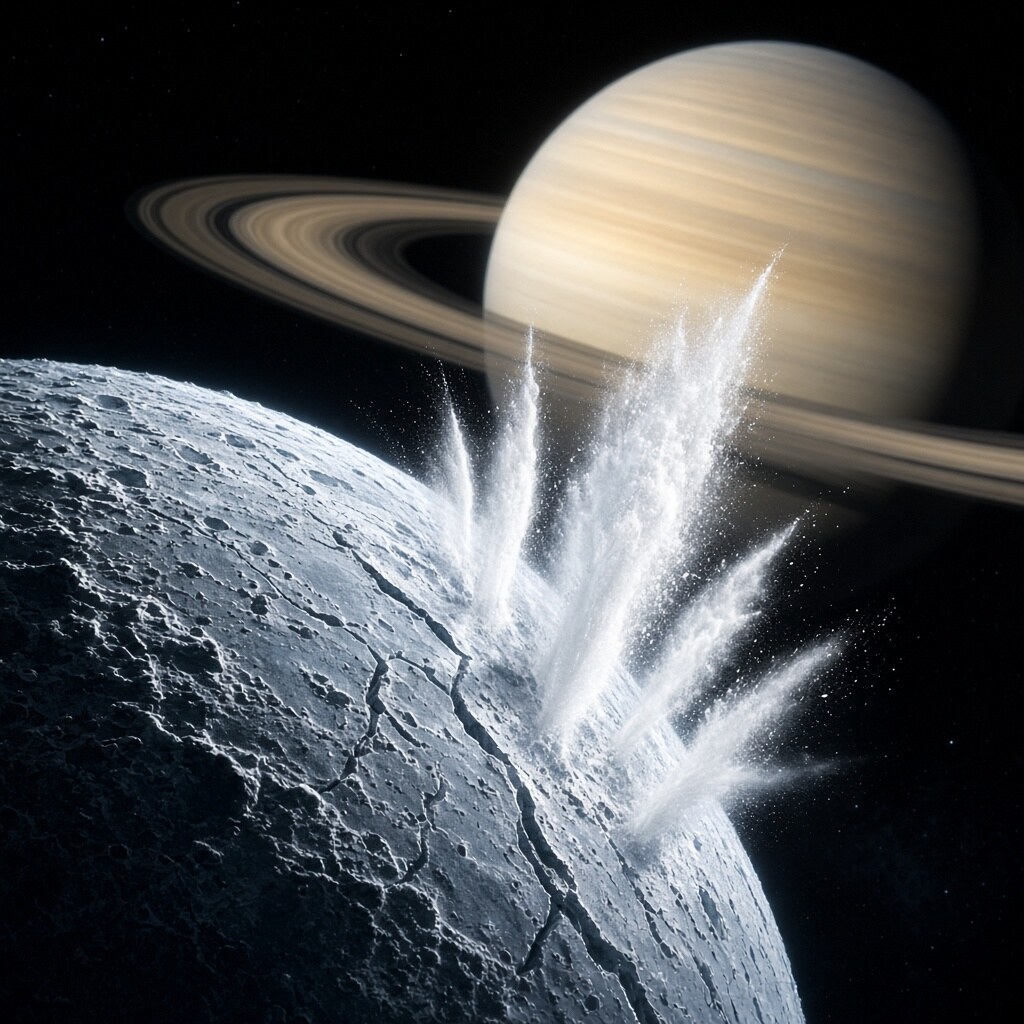
Enceladus shoots geysers of water ice into space
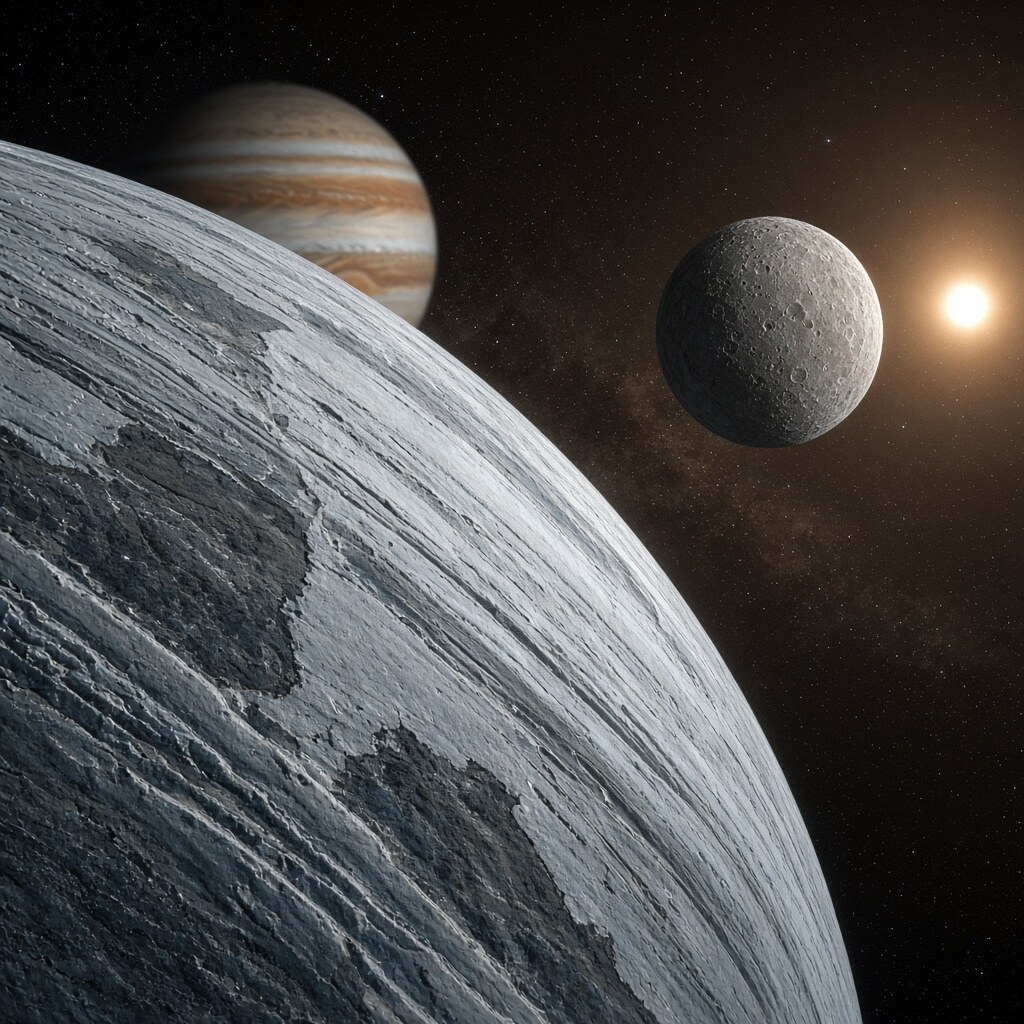
Ganymede is bigger than the planet Mercury
A total solar eclipse can turn day into twilight
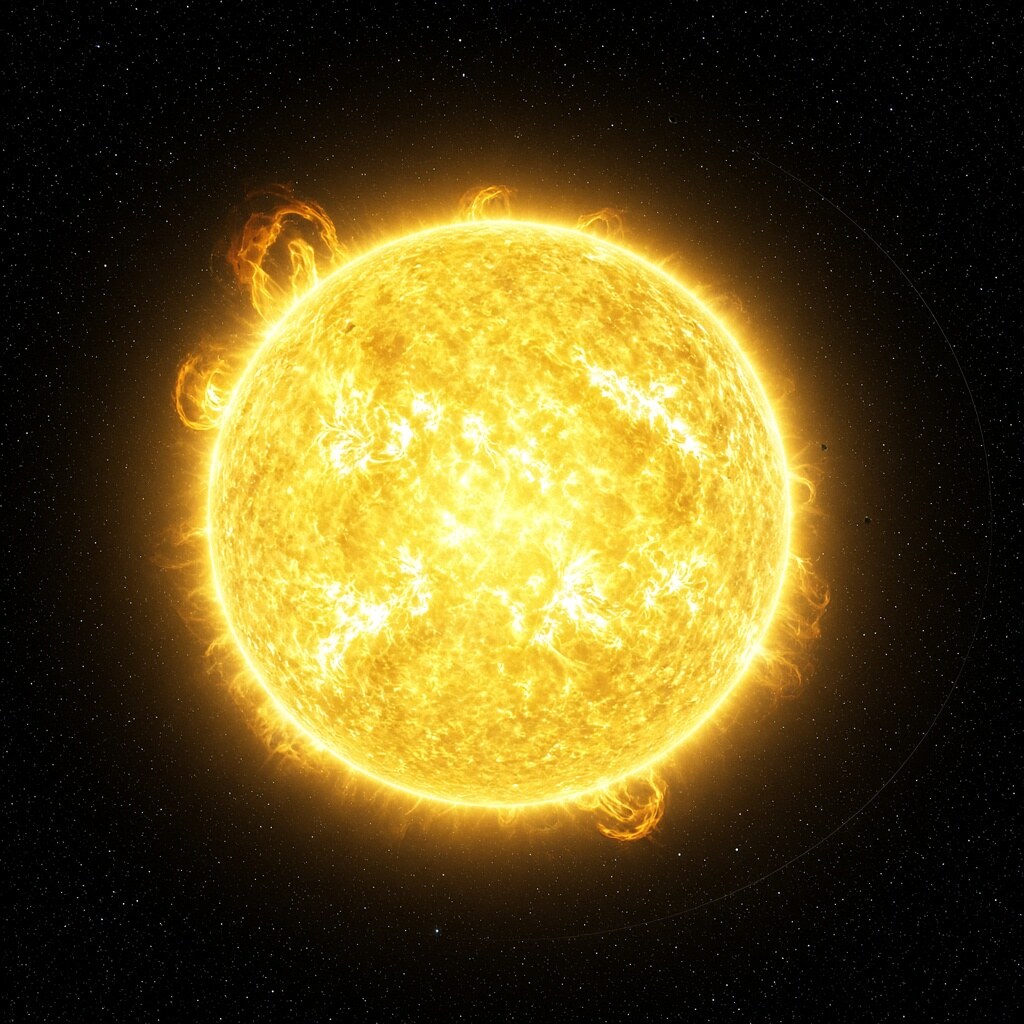
The Sun holds about 99.8% of the solar system’s mass
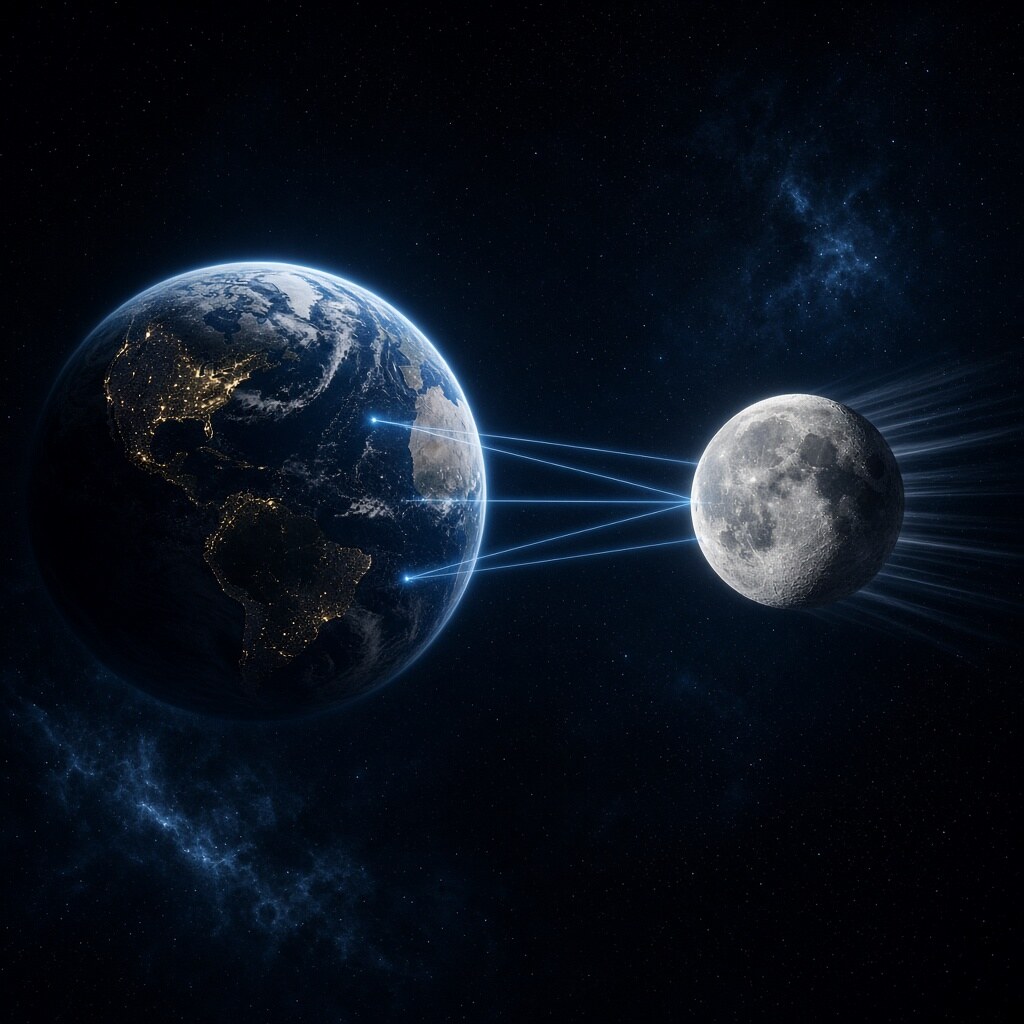
The Moon drifts away from Earth about 3.8 cm every year
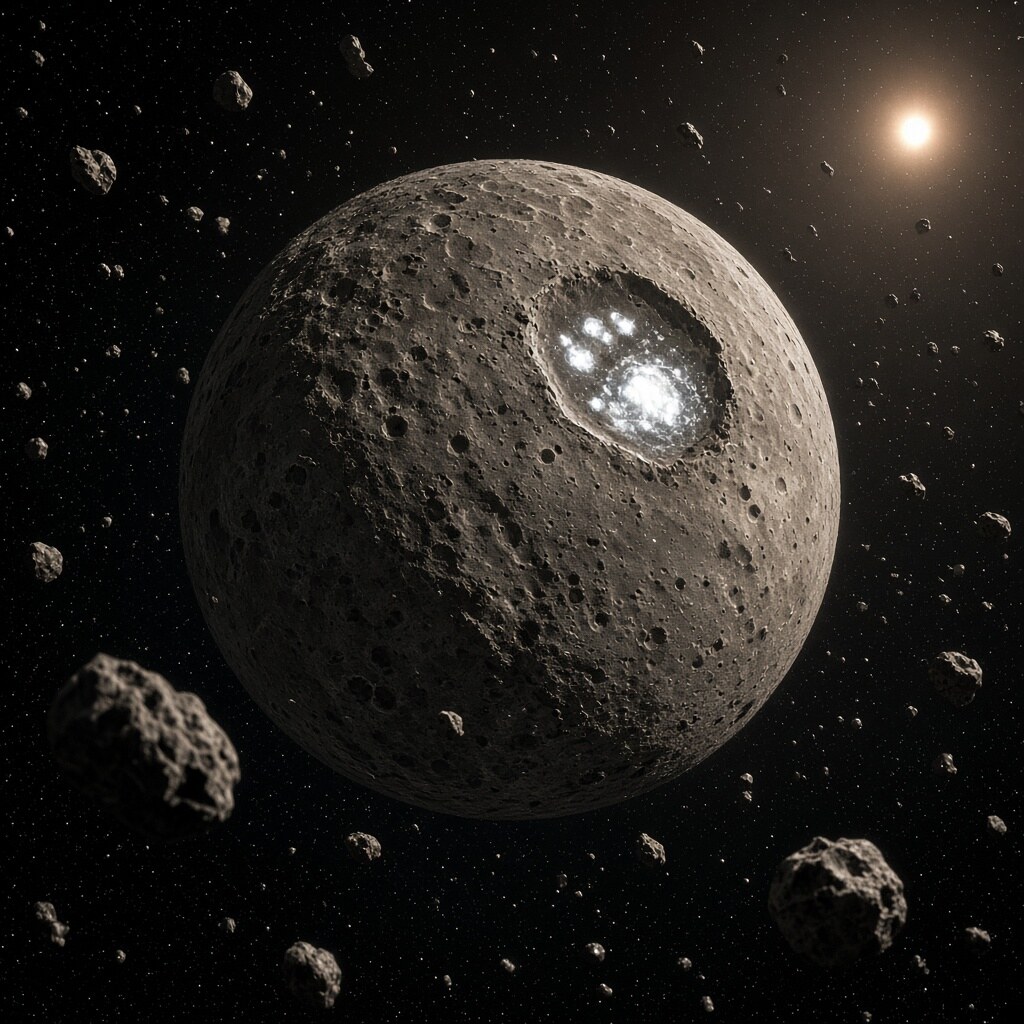
Ceres is the largest world in the asteroid belt
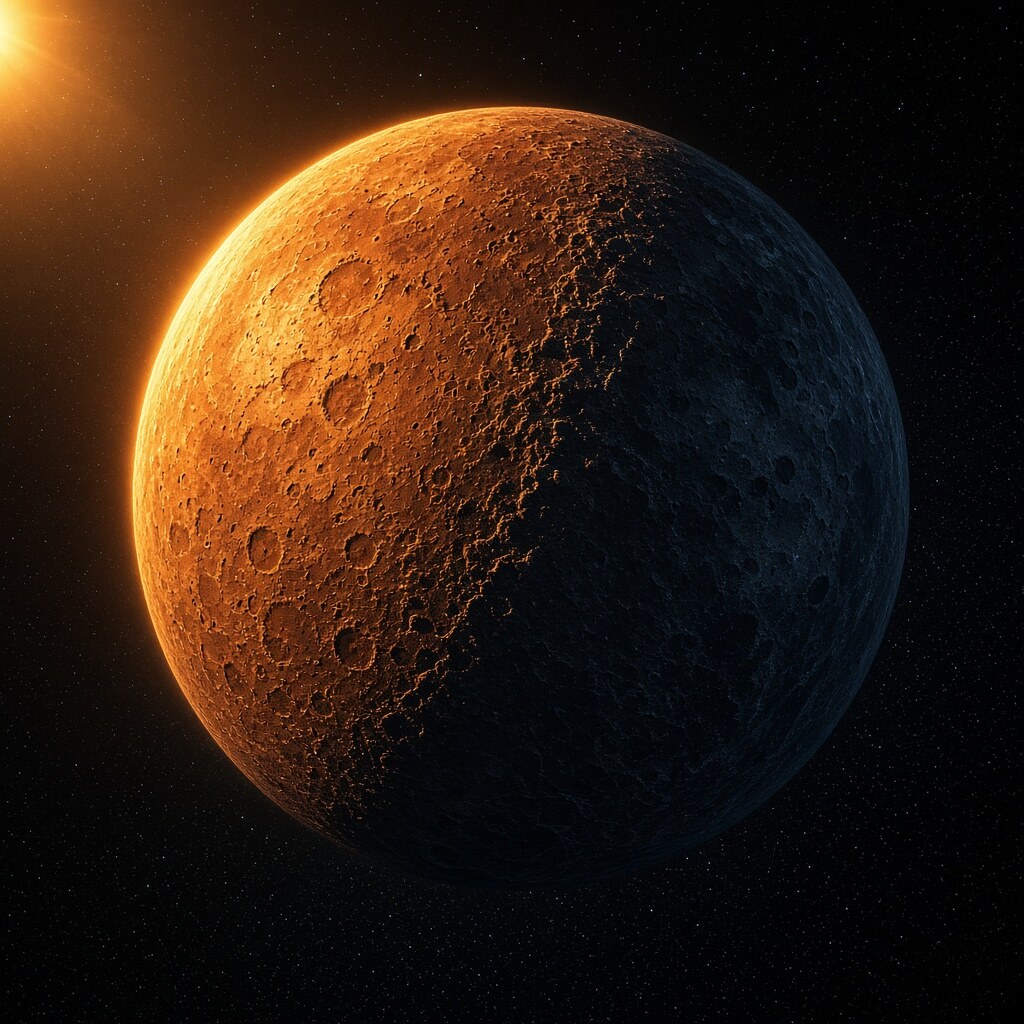
Mercury’s surface can swing from extreme heat to deep freeze
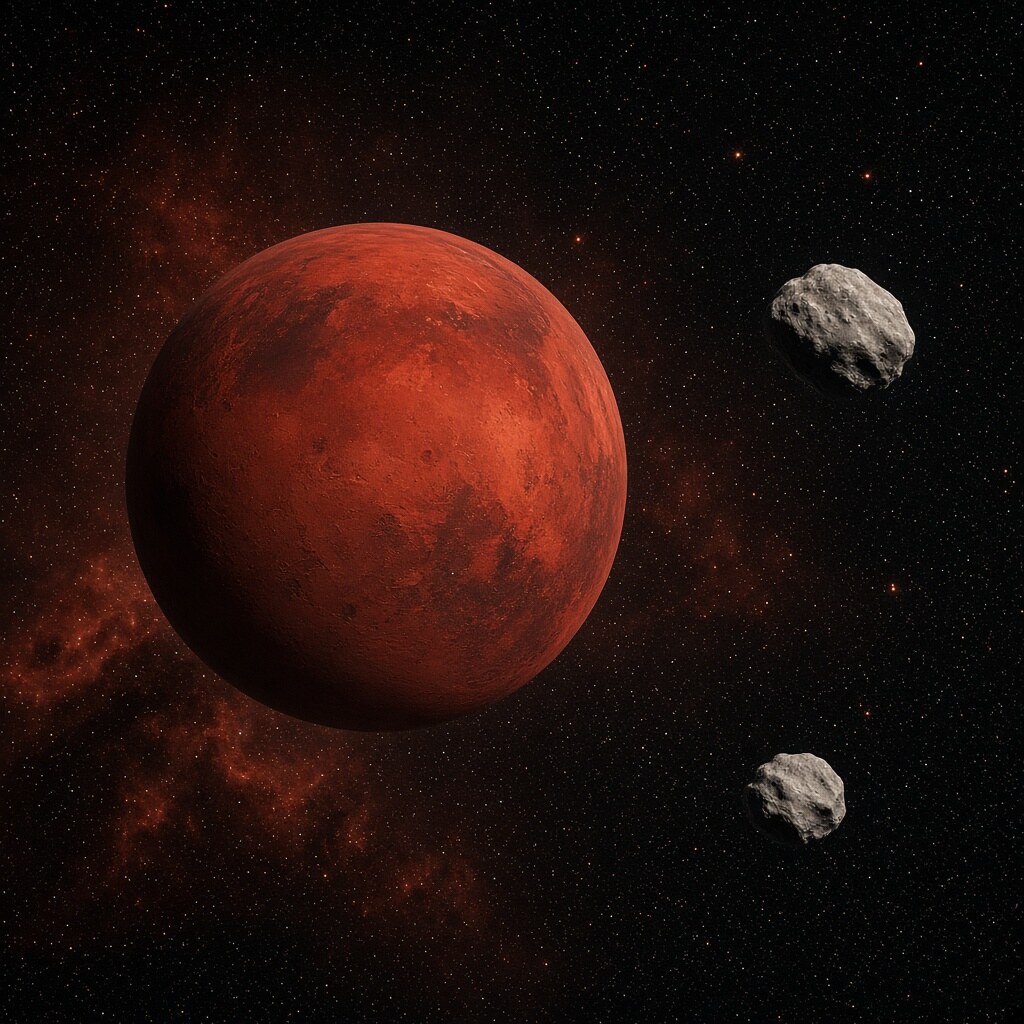
Mars has two tiny moons, Phobos and Deimos
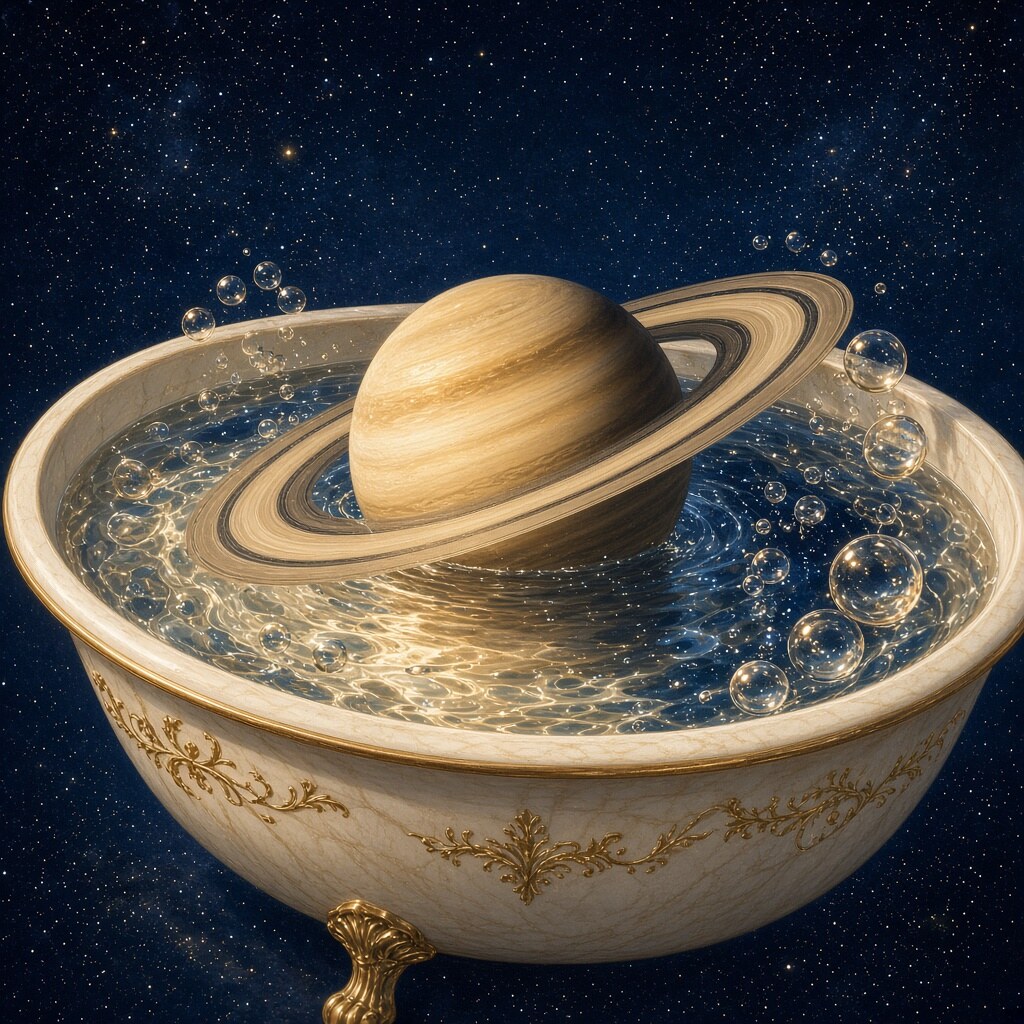
Saturn would float in a bathtub large enough to hold it
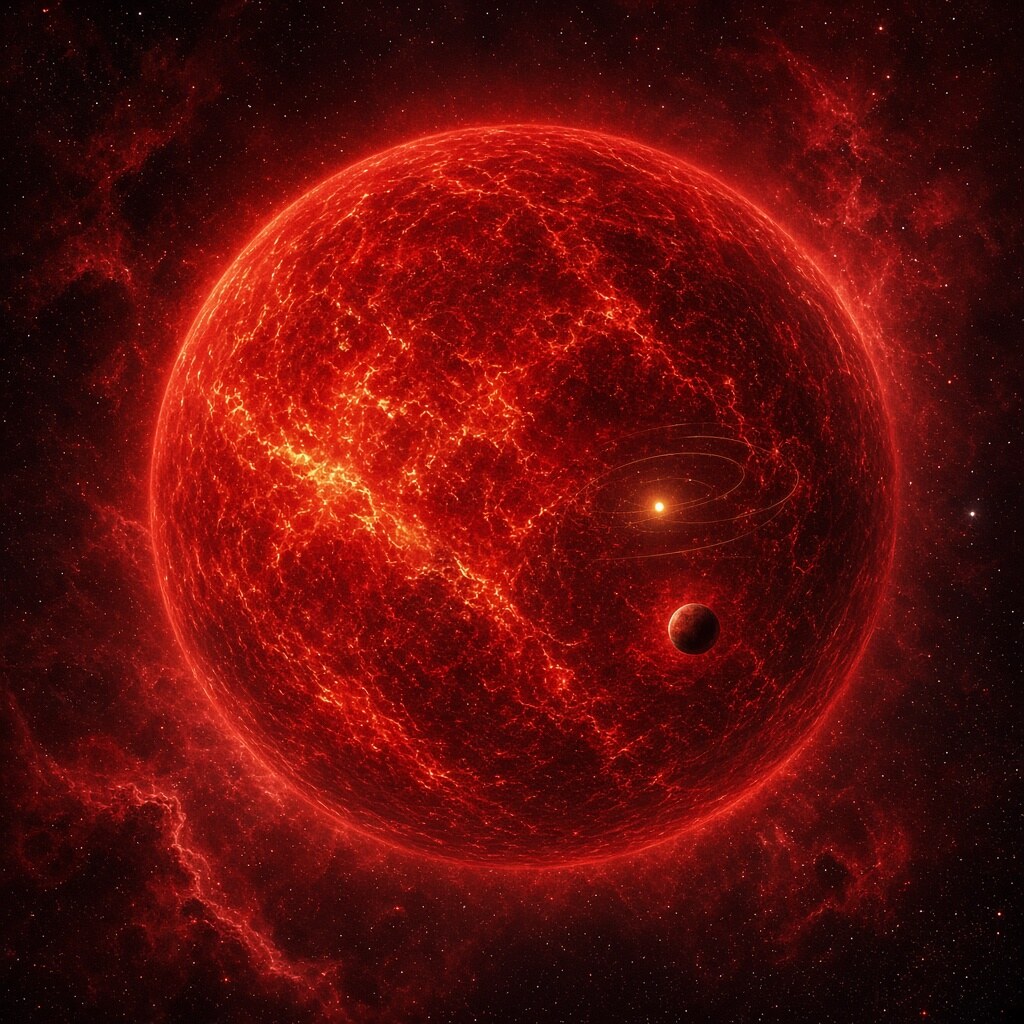
Betelgeuse could swallow the orbit of Mars
Uranus spins tipped nearly on its side
The Kuiper Belt is a ring of icy worlds beyond Neptune

Solar System