Select the language

Notifications

Loading…
Space Facts

Stars & Galaxies Facts


The cosmic microwave background is ~2.7 K
A neutron star is only about 20 kilometers across
A supernova can briefly outshine its whole galaxy
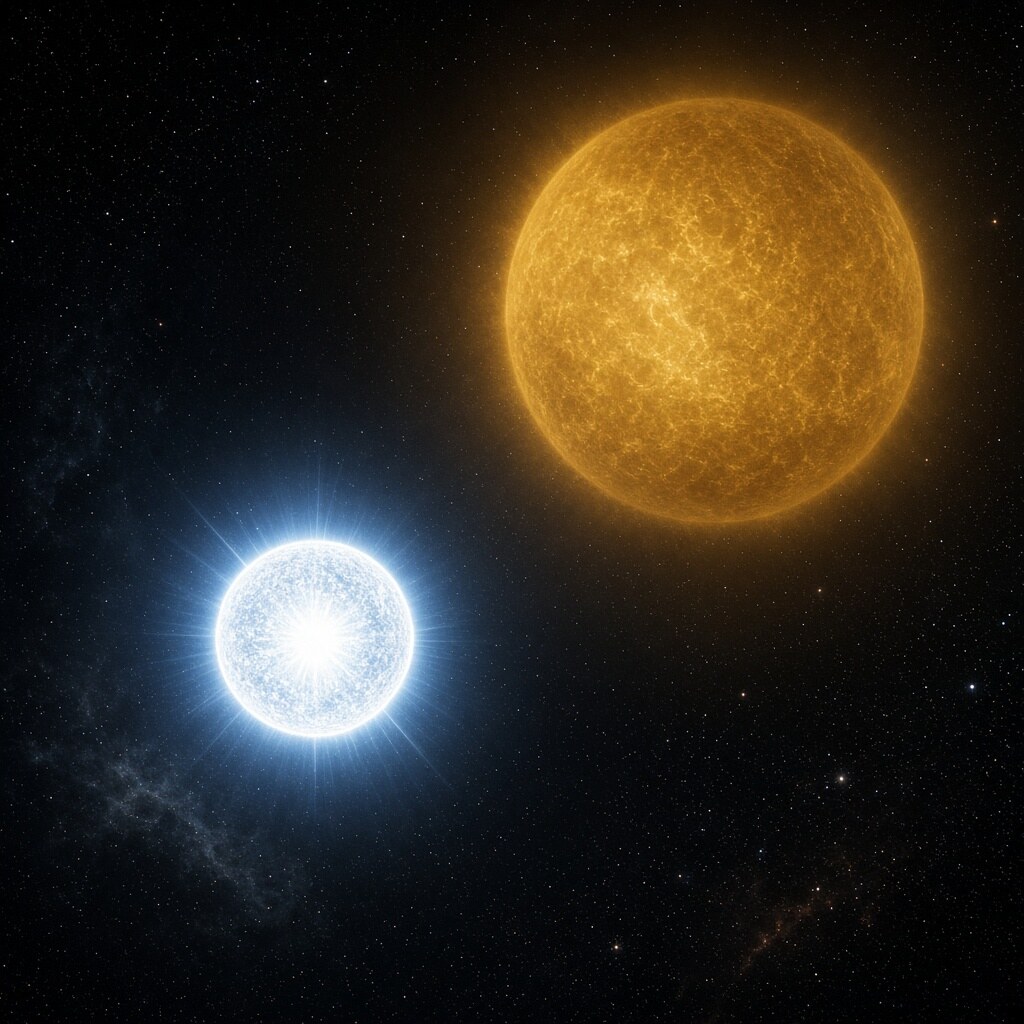
A white dwarf can pack a Sun’s mass into an Earth-sized ball
The cosmic microwave background is leftover light from the Big Bang
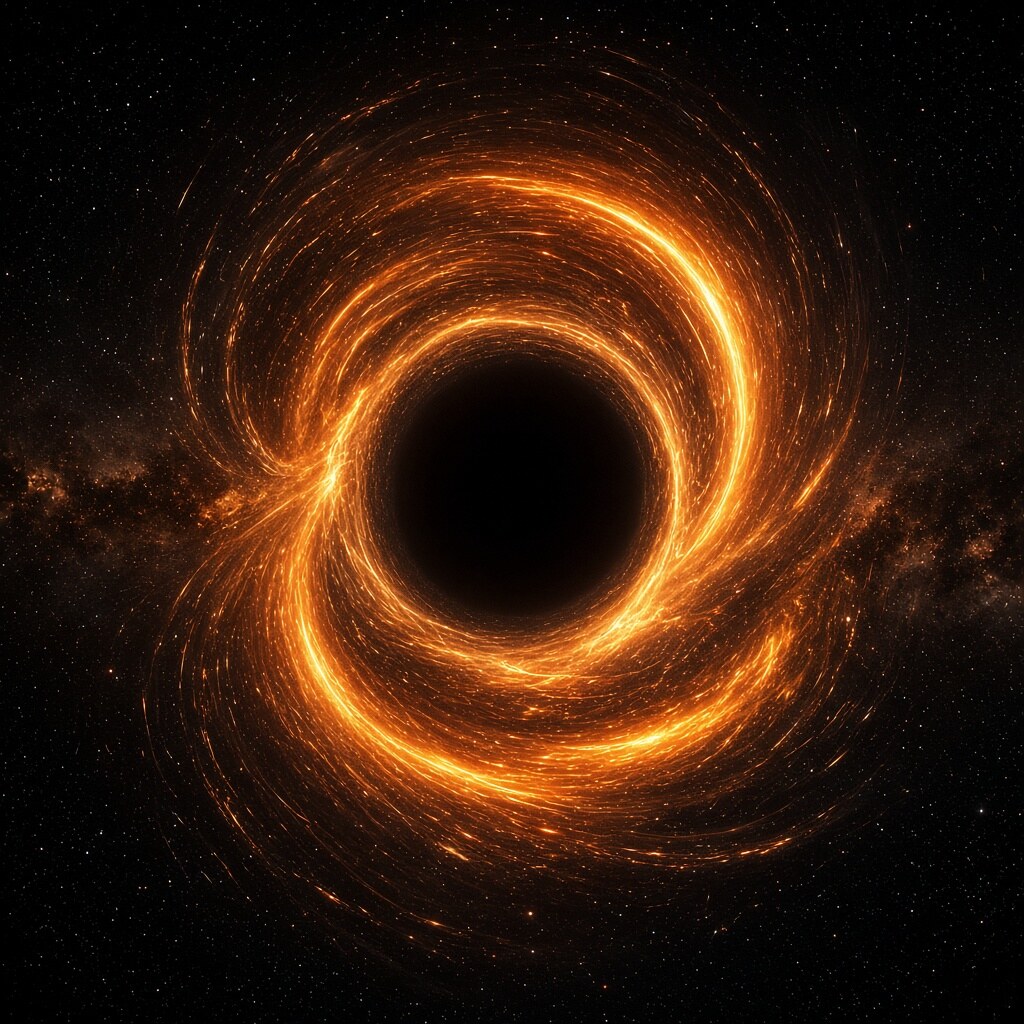
Nothing can escape once past a black hole’s event horizon
The Chandrasekhar limit is about 1.4 solar masses
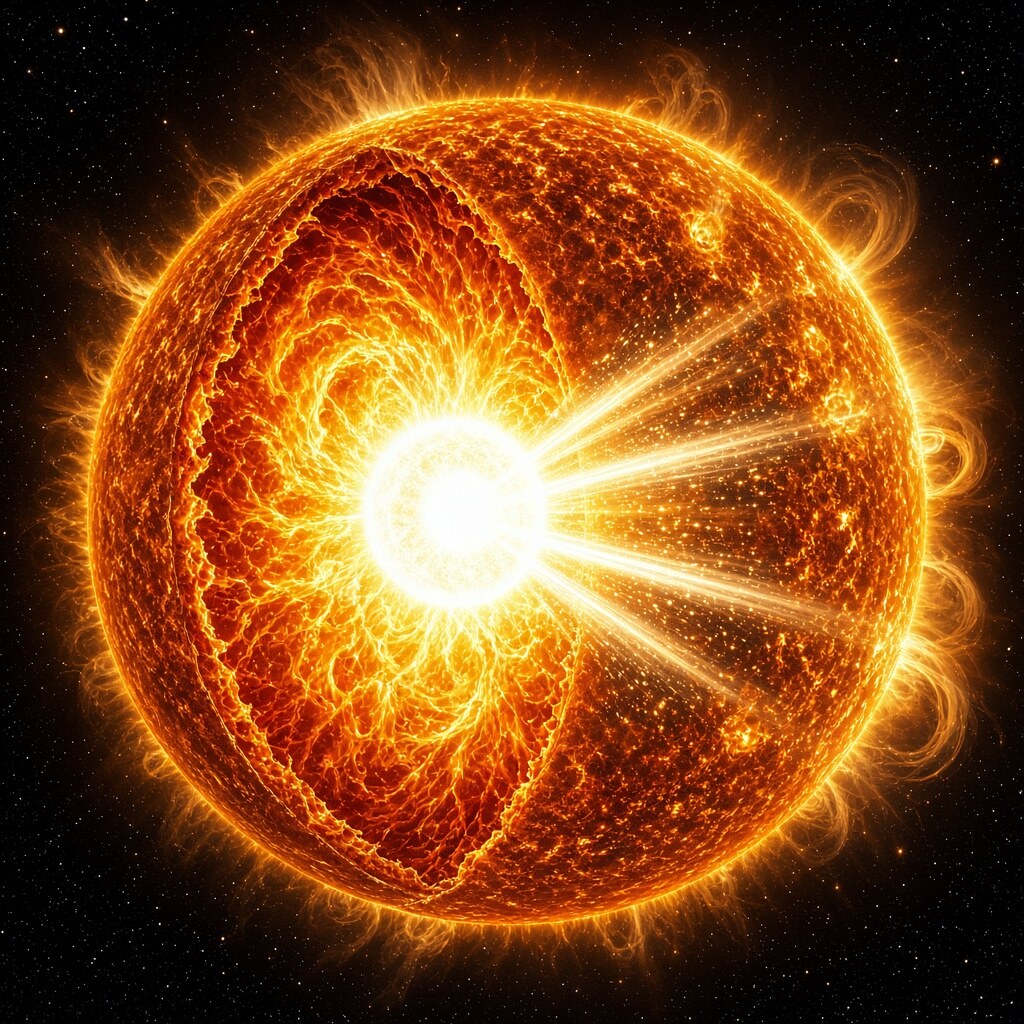
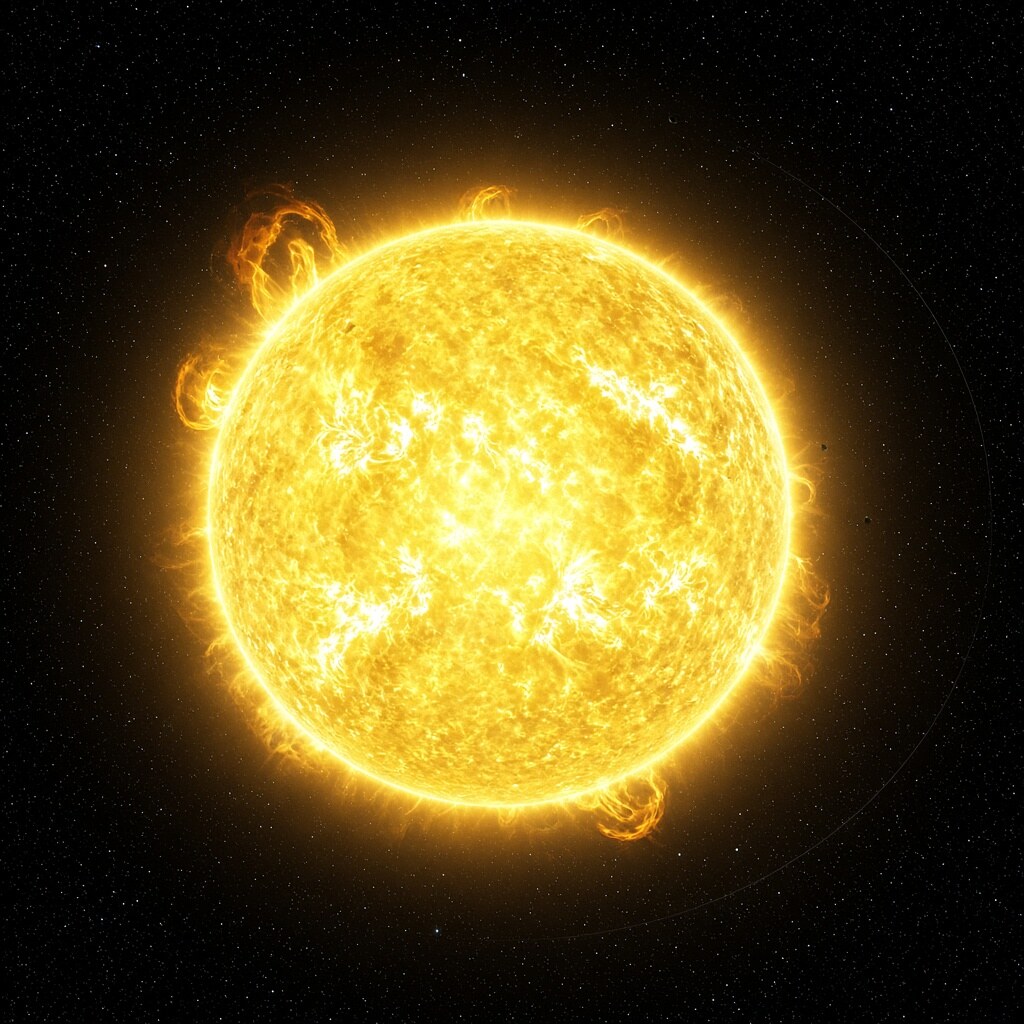
The Sun converts about 4 million tons of mass to energy every second
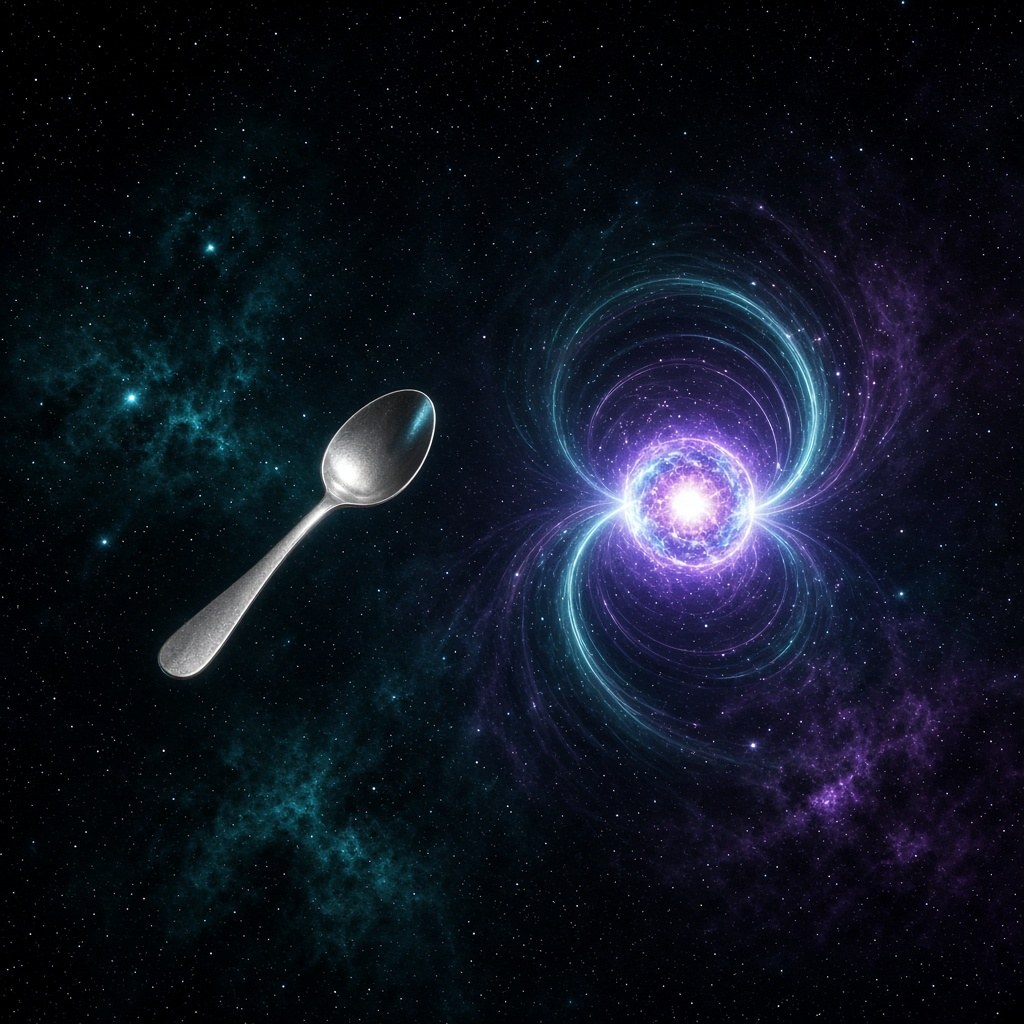
A teaspoon of a neutron star would weigh about 6 billion tons
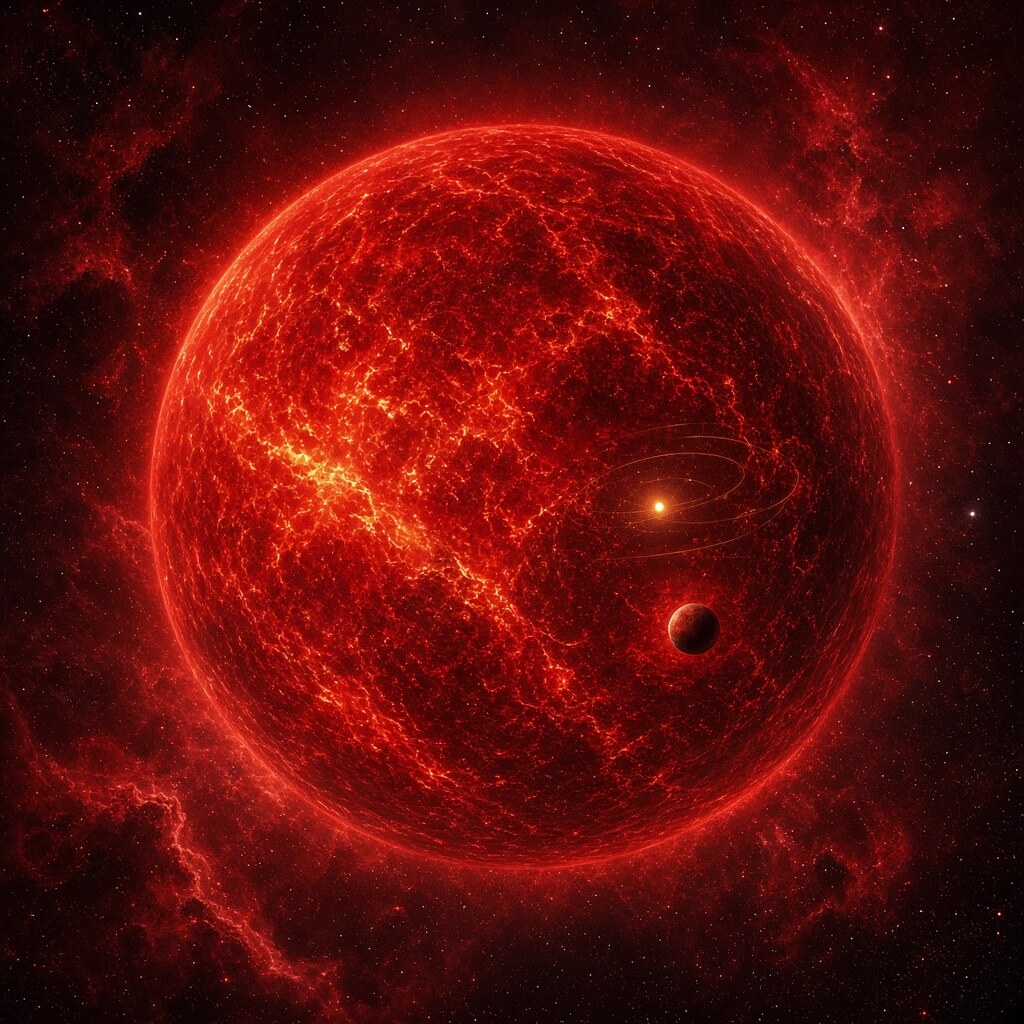
Betelgeuse could swallow the orbit of Mars
Sagittarius A* weighs about 4 million Suns
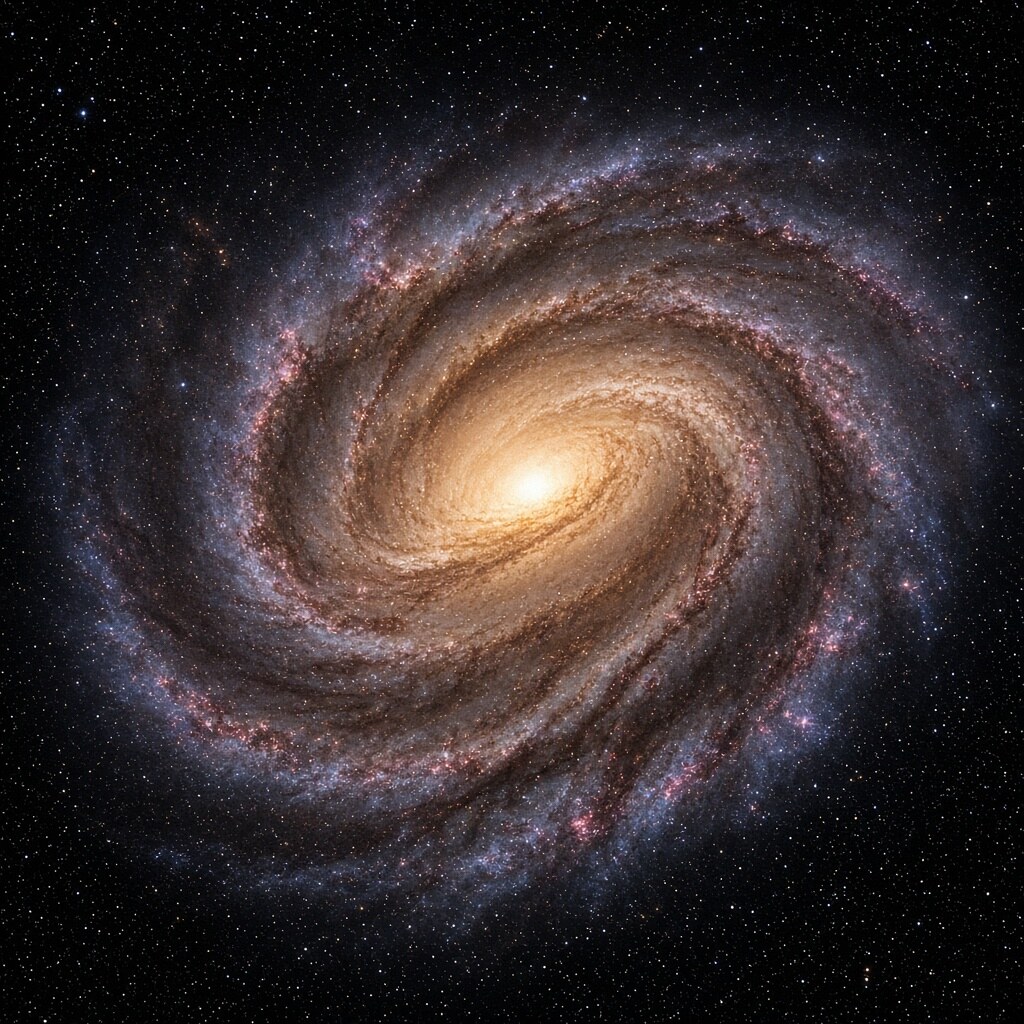
The Milky Way is about 100,000 light-years across
The Sun holds about 99.8% of the solar system’s mass
The observable universe is about 93 billion light-years across
There are about 10²² to 10²⁴ stars in the observable universe
Proxima Centauri is the nearest star beyond our Sun
The Milky Way and Andromeda are on a collision course
Sunlight takes about 8 minutes to reach Earth
One light-year is about 9.5 trillion kilometers
A Fermi paradox asks: where is everybody?

Stars & Galaxies