


Select the language

Notifications

Loading…
Science Facts

Physics Facts


Graphene is a single atom-thick sheet of carbon
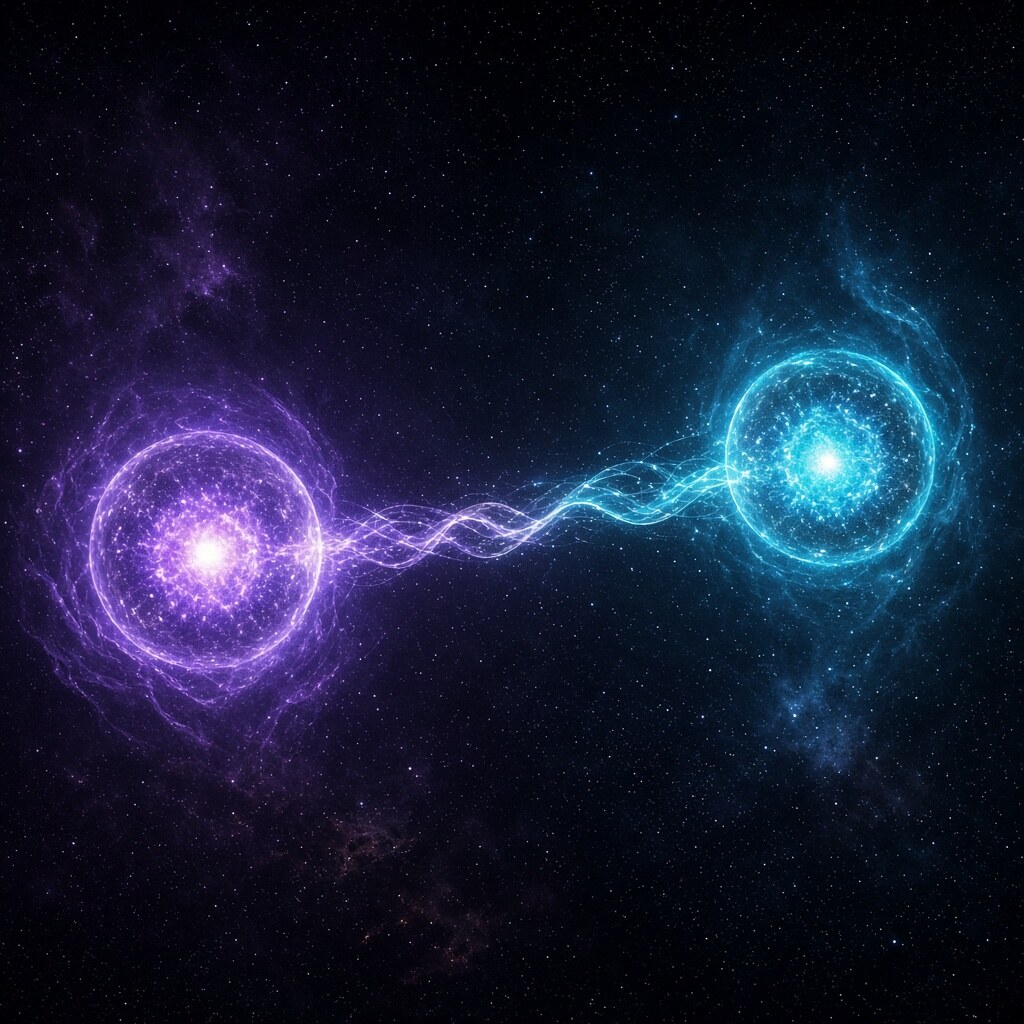
Quantum entanglement links particles across distance
The cosmic microwave background is ~2.7 K
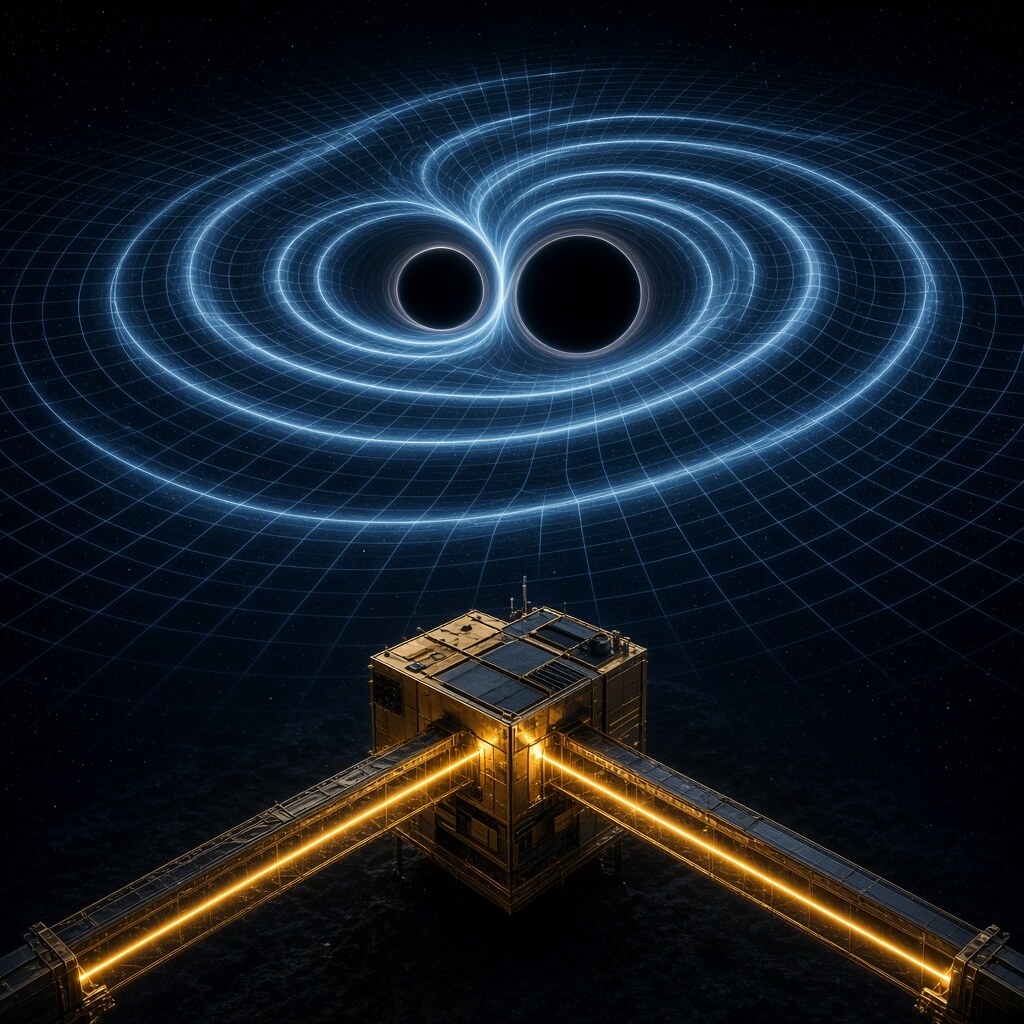
Gravitational waves stretch space by tiny amounts
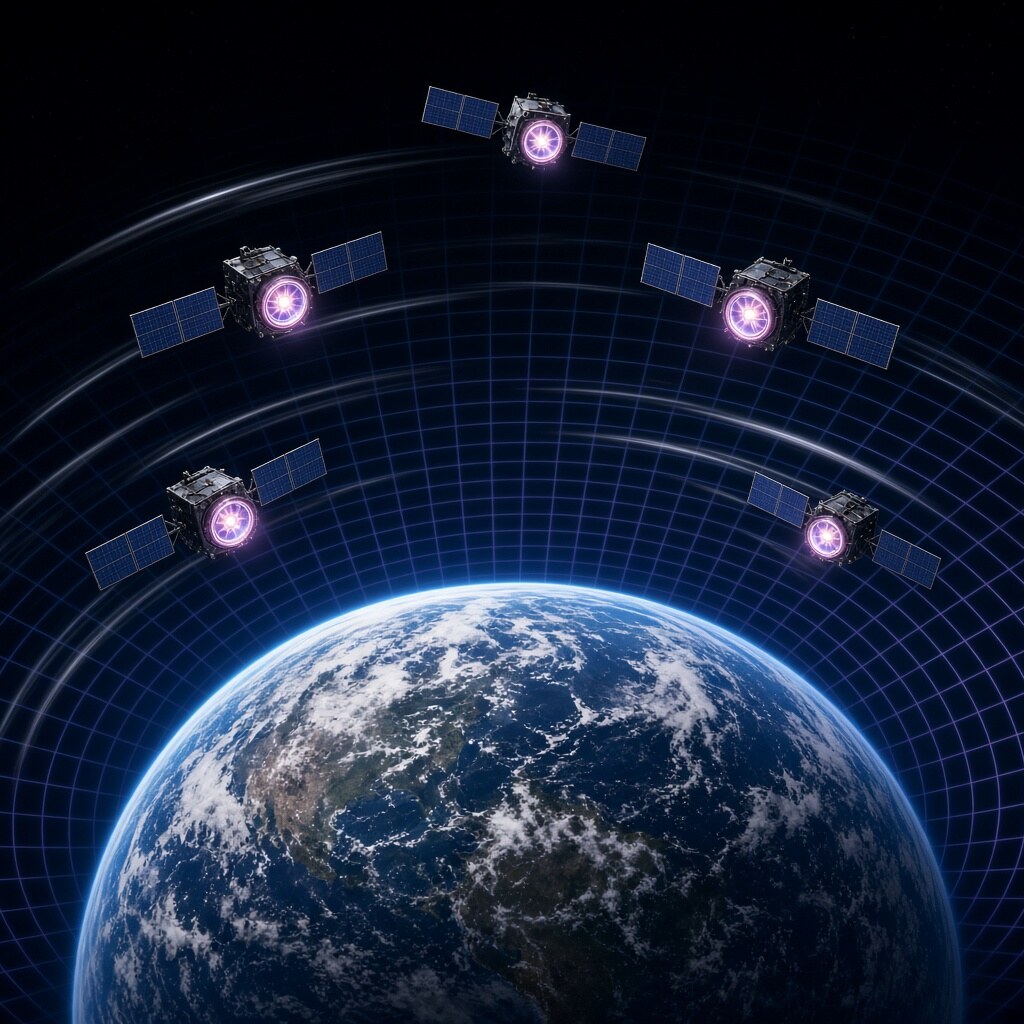
GPS clocks must account for relativity twice
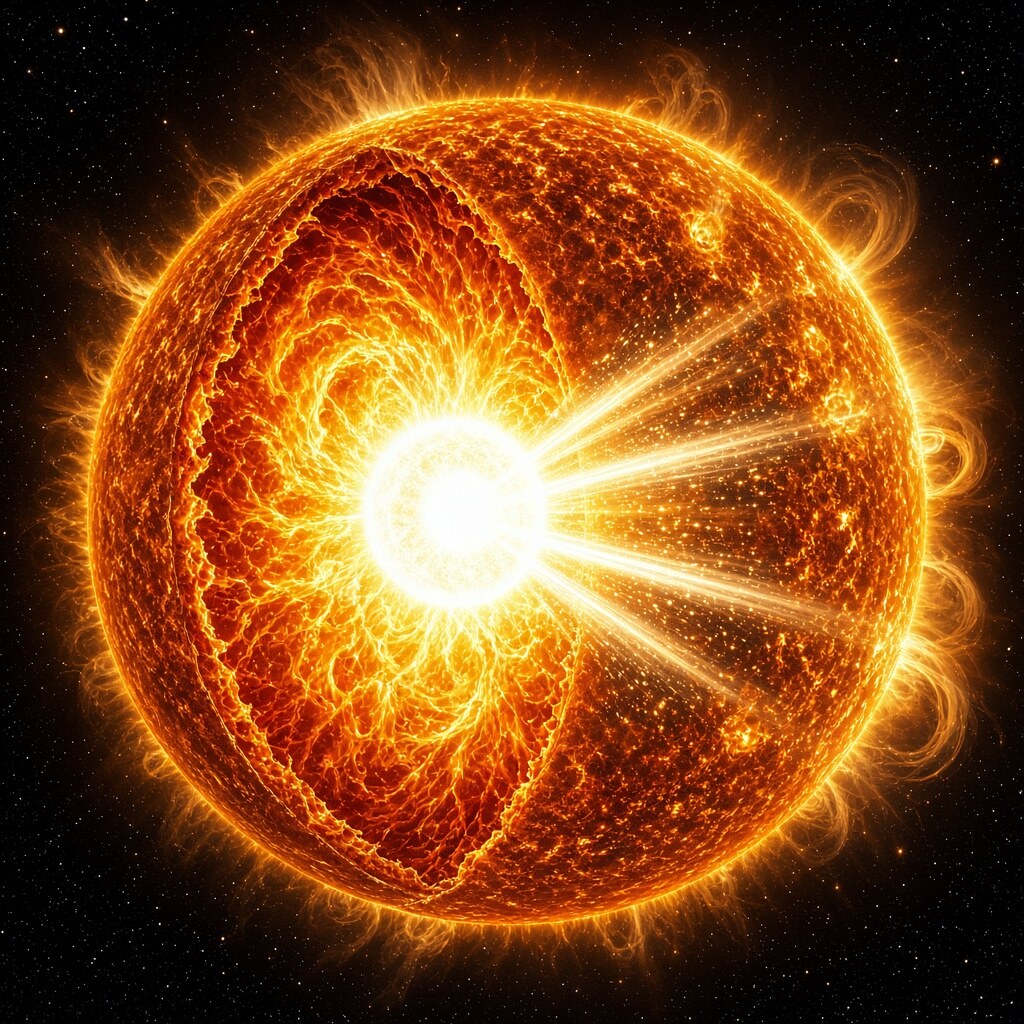
The Sun converts about 4 million tons of mass to energy every second
Superconductors can levitate magnets
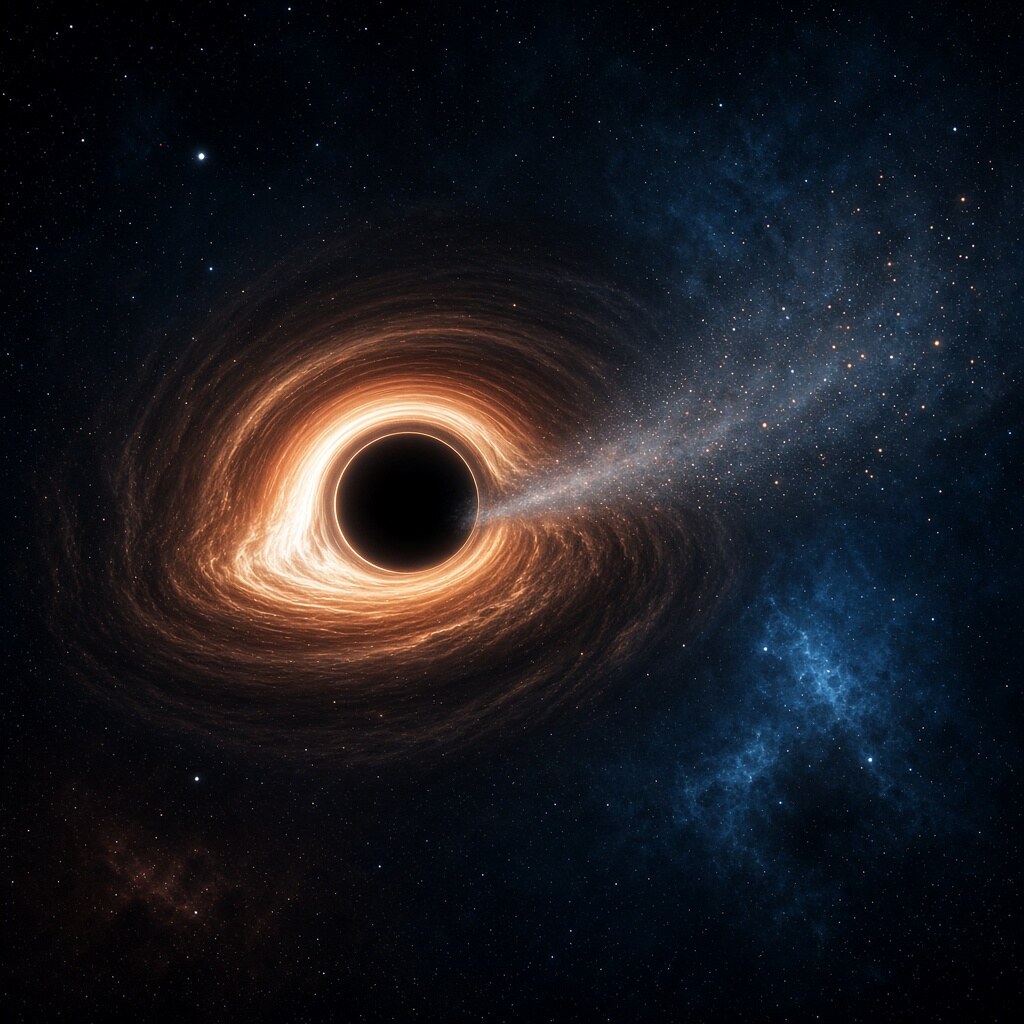
Black holes can evaporate — very slowly
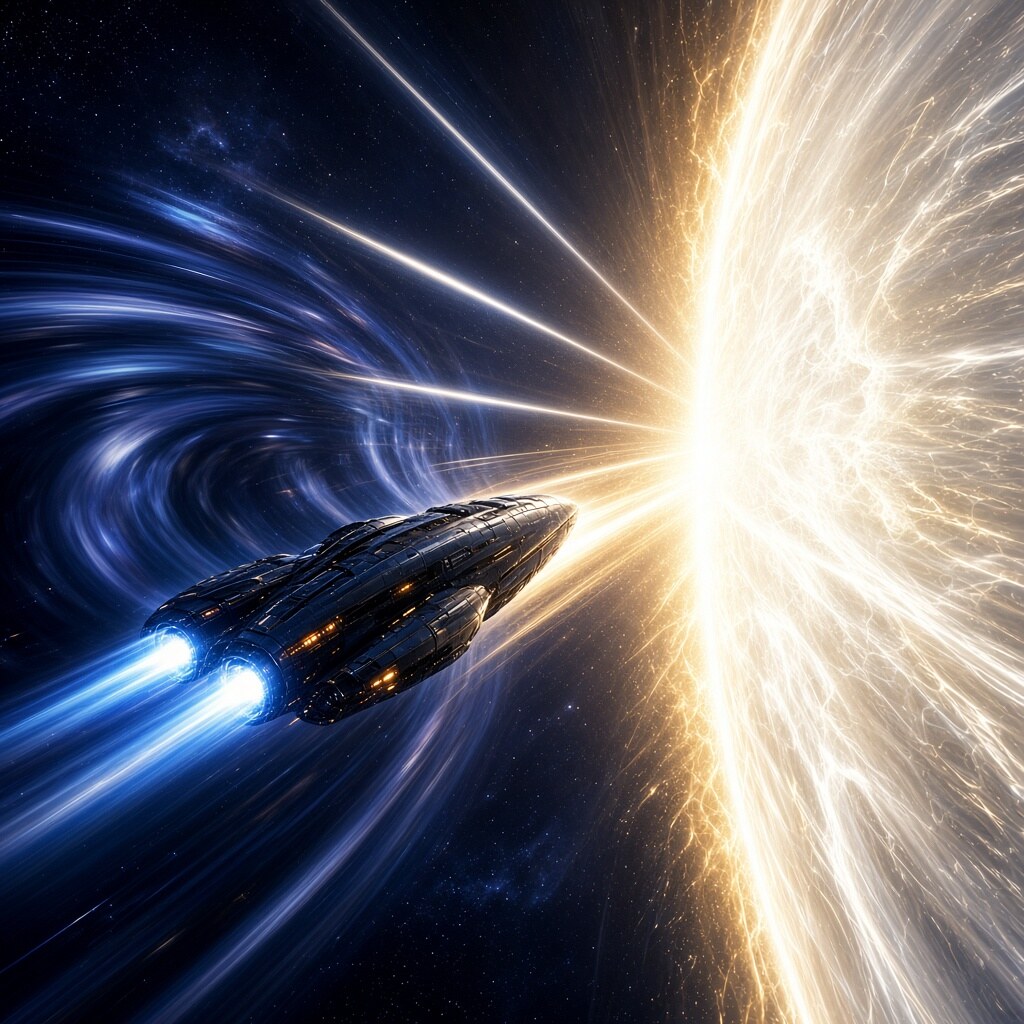
Nothing with mass can reach the speed of light
The observable universe is about 93 billion light-years across
Venus is hotter than Mercury — despite being farther from the Sun
Time runs slightly faster on a mountain than at sea level
The Higgs boson was confirmed in 2012 at ~125 GeV
Lightning heats air to about 30,000°C
Earth travels ~107,000 km/h around the Sun
Earth spins at about 1,670 km/h at the equator
Earth’s core is about as hot as the Sun’s surface
Helium is the second-most abundant element in the universe
There are about 10²² to 10²⁴ stars in the observable universe
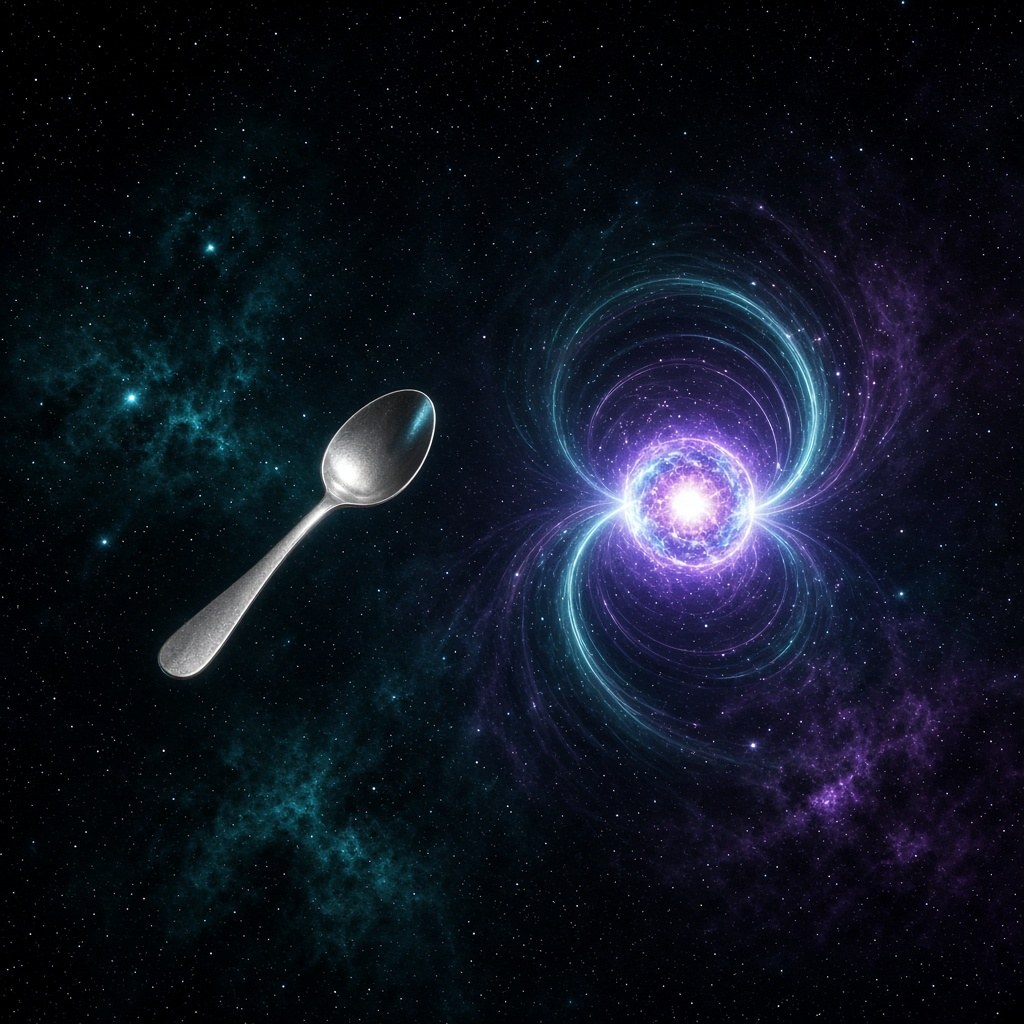
A teaspoon of a neutron star would weigh about 6 billion tons
Absolute zero is −273.15°C
Light travels about 300,000 km every second
Batteries move electrons through an external circuit
Liquid nitrogen boils at −196°C
The event horizon is where light cannot climb out

Physics