
Select the language

Notifications

Loading…
Science Facts

Astronomy Basics Facts


A supernova can briefly outshine its whole galaxy
The Kuiper Belt is a ring of icy worlds beyond Neptune
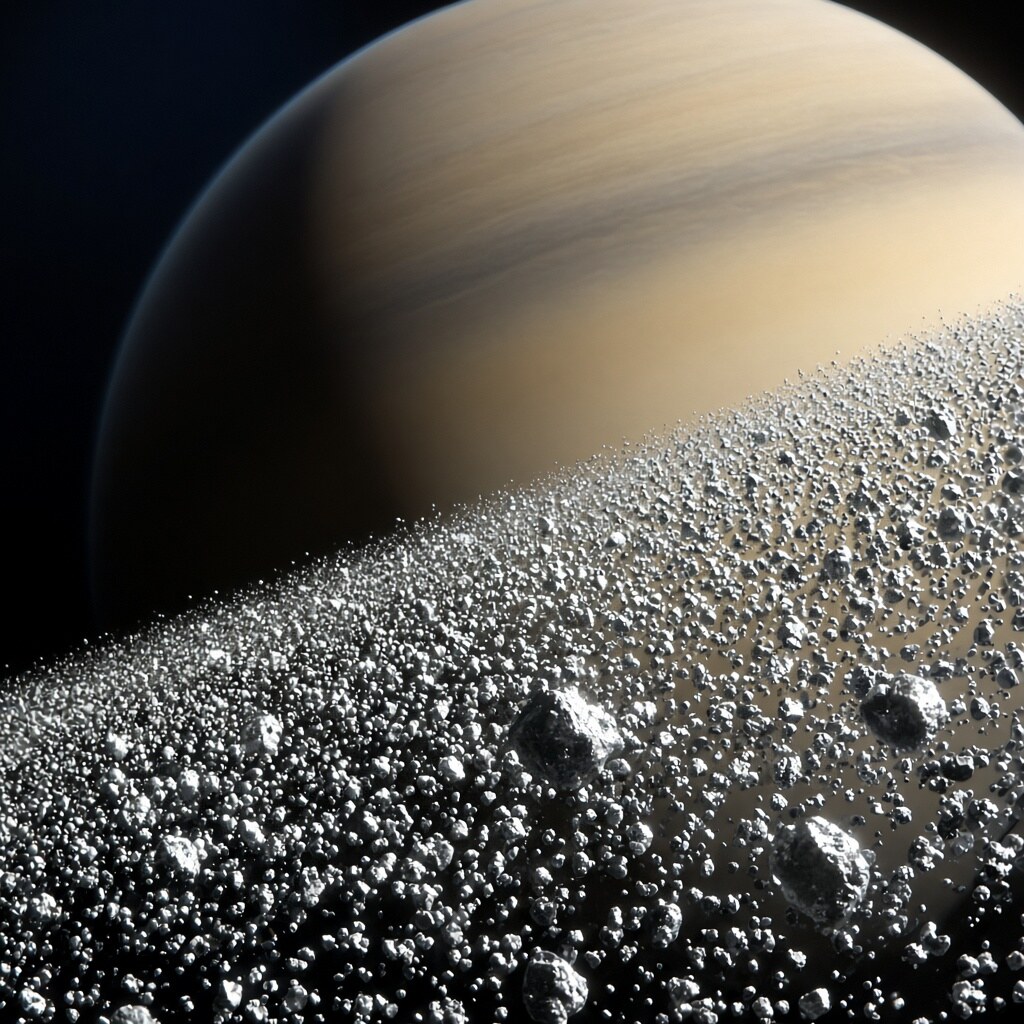
Saturn’s rings are made mostly of ice and rock
A day on Mars lasts about 24 hours and 39 minutes
The cosmic microwave background is leftover light from the Big Bang
Proxima Centauri is the nearest star beyond our Sun
Uranus spins tipped nearly on its side
The Moon always shows Earth nearly the same face
A total solar eclipse can turn day into twilight
The Milky Way and Andromeda are on a collision course
Nothing can escape once past a black hole’s event horizon
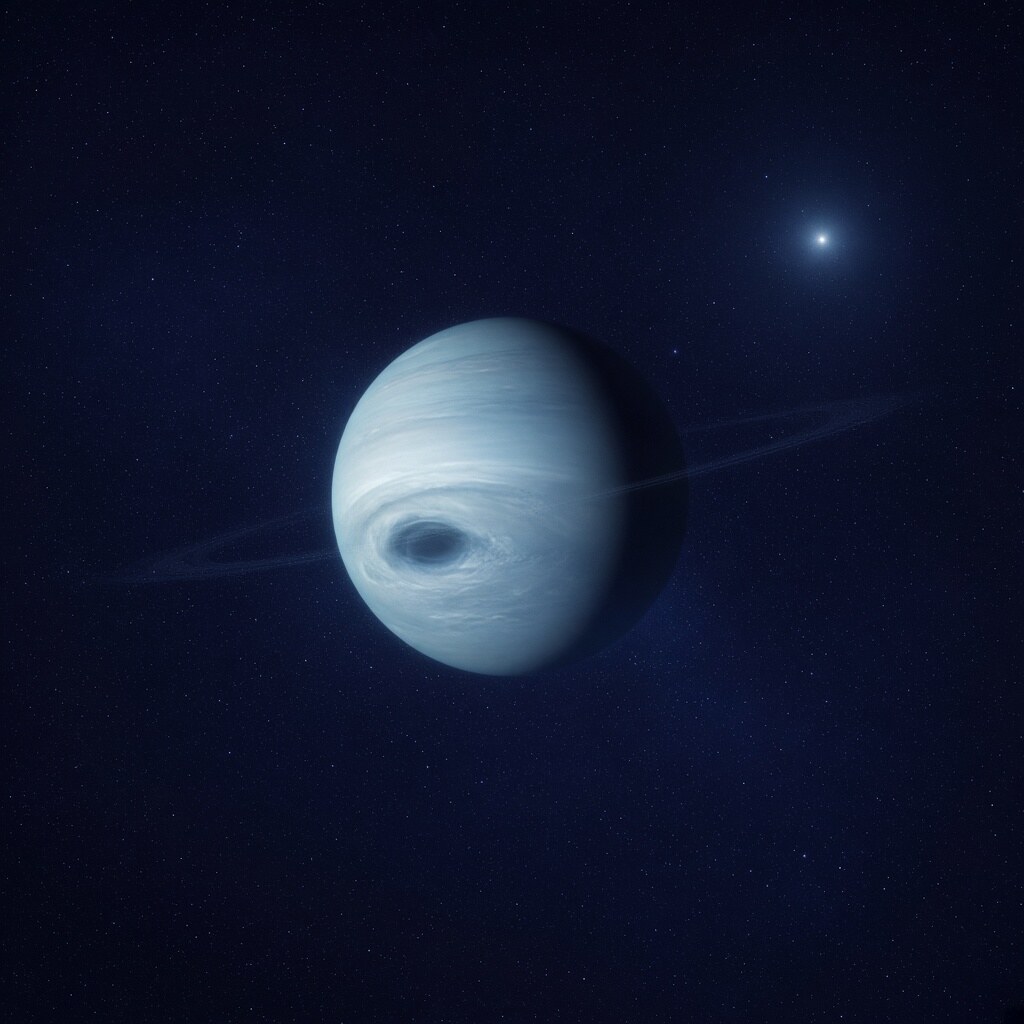
A year on Neptune lasts about 165 Earth years
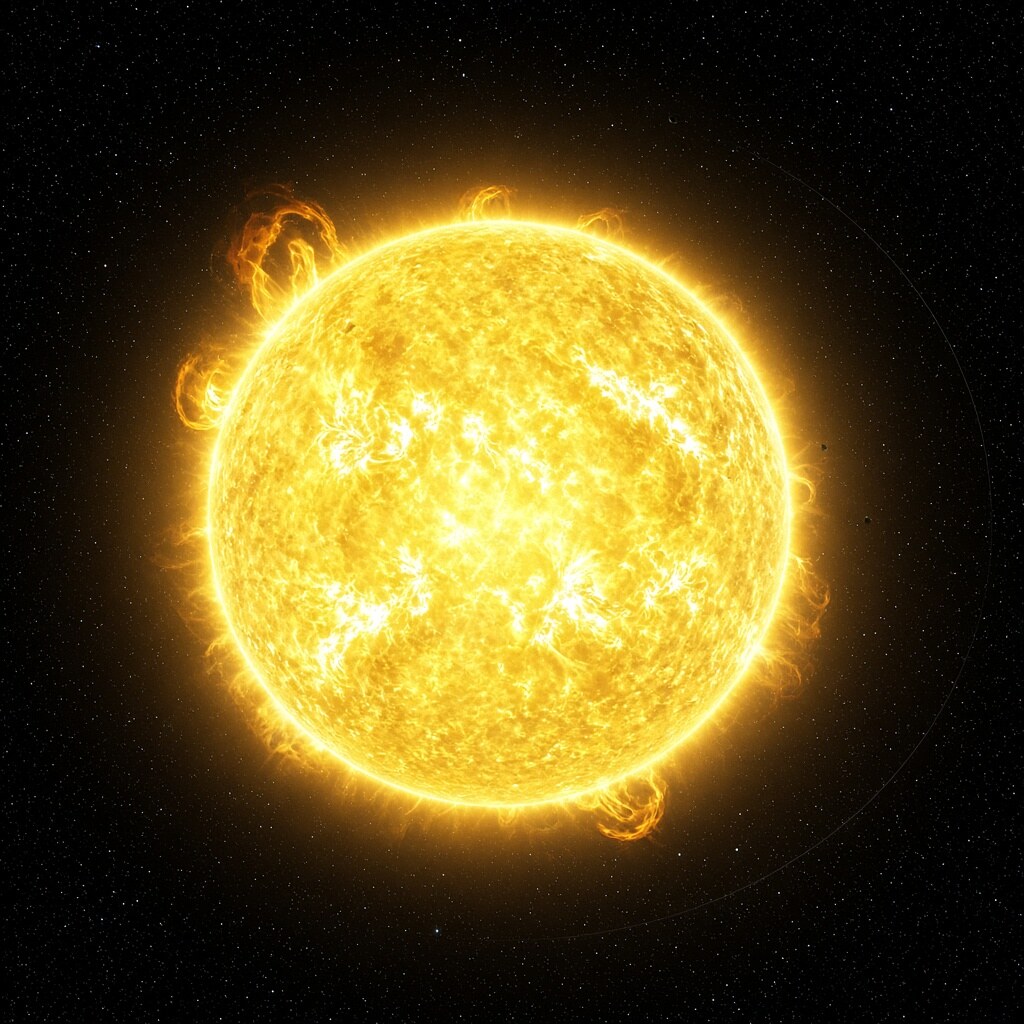
The Sun holds about 99.8% of the solar system’s mass
Sunlight takes about 8 minutes to reach Earth
Jupiter’s Great Red Spot is a storm larger than Earth
One light-year is about 9.5 trillion kilometers
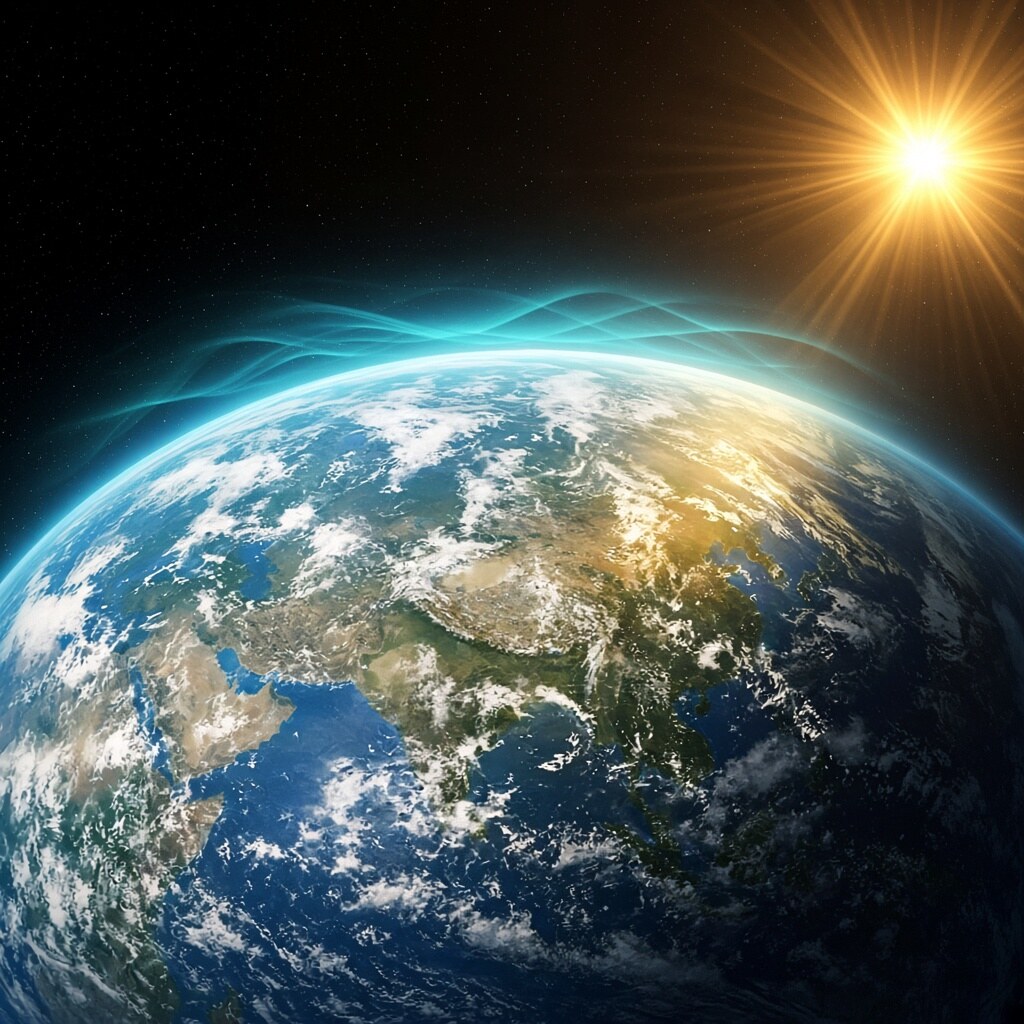
Auroras glow when solar wind hits Earth’s magnetic field
A day on Venus lasts longer than a year on Venus
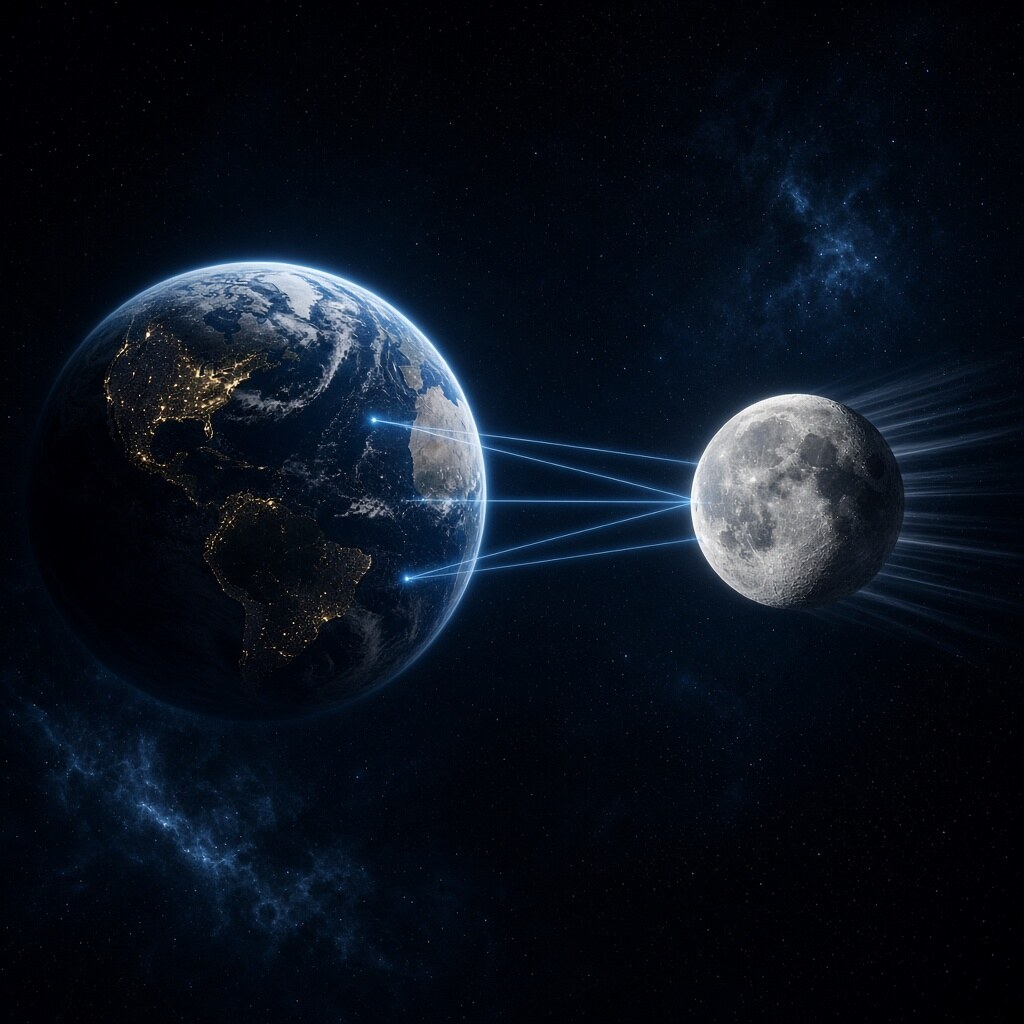
The Moon drifts away from Earth about 3.8 cm every year
Geostationary satellites appear fixed above one spot on Earth
Northern and southern auroras often mirror each other
A meteor becomes a meteorite when it hits the ground
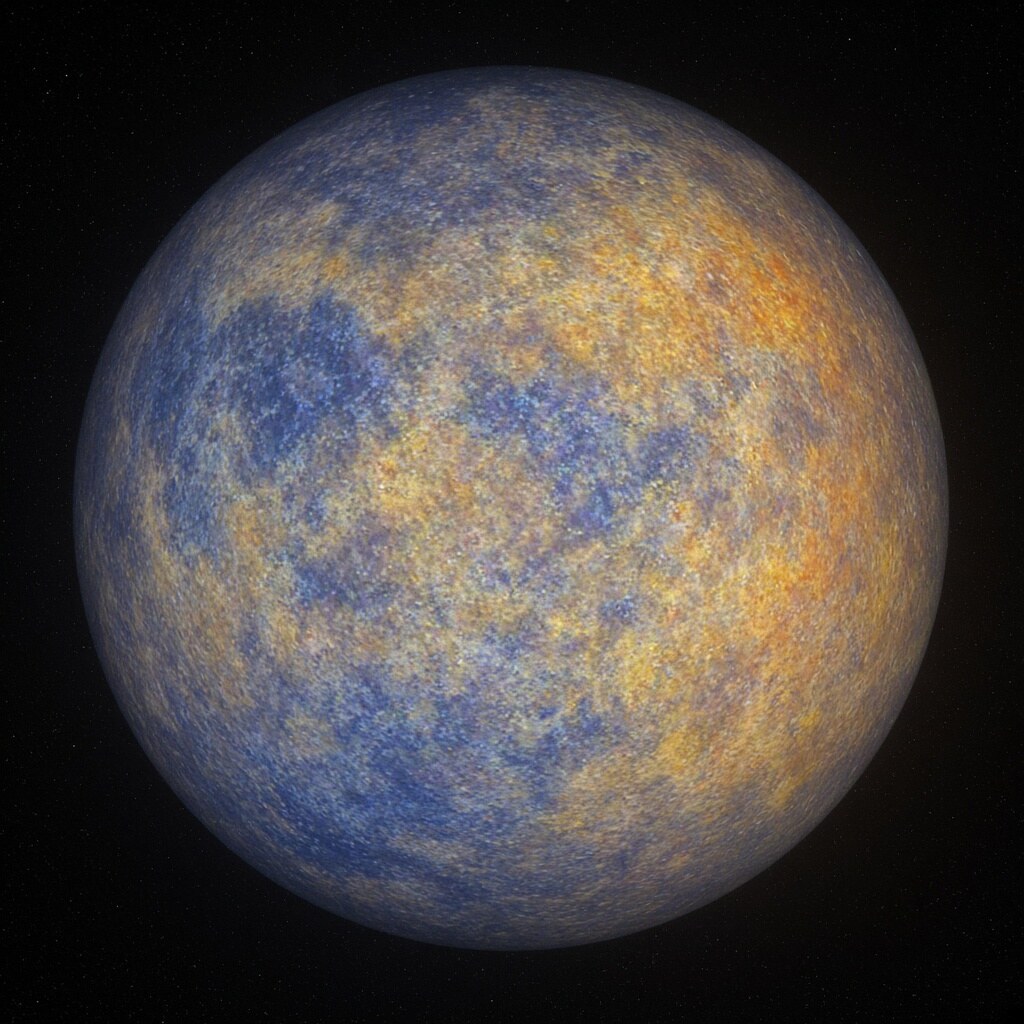
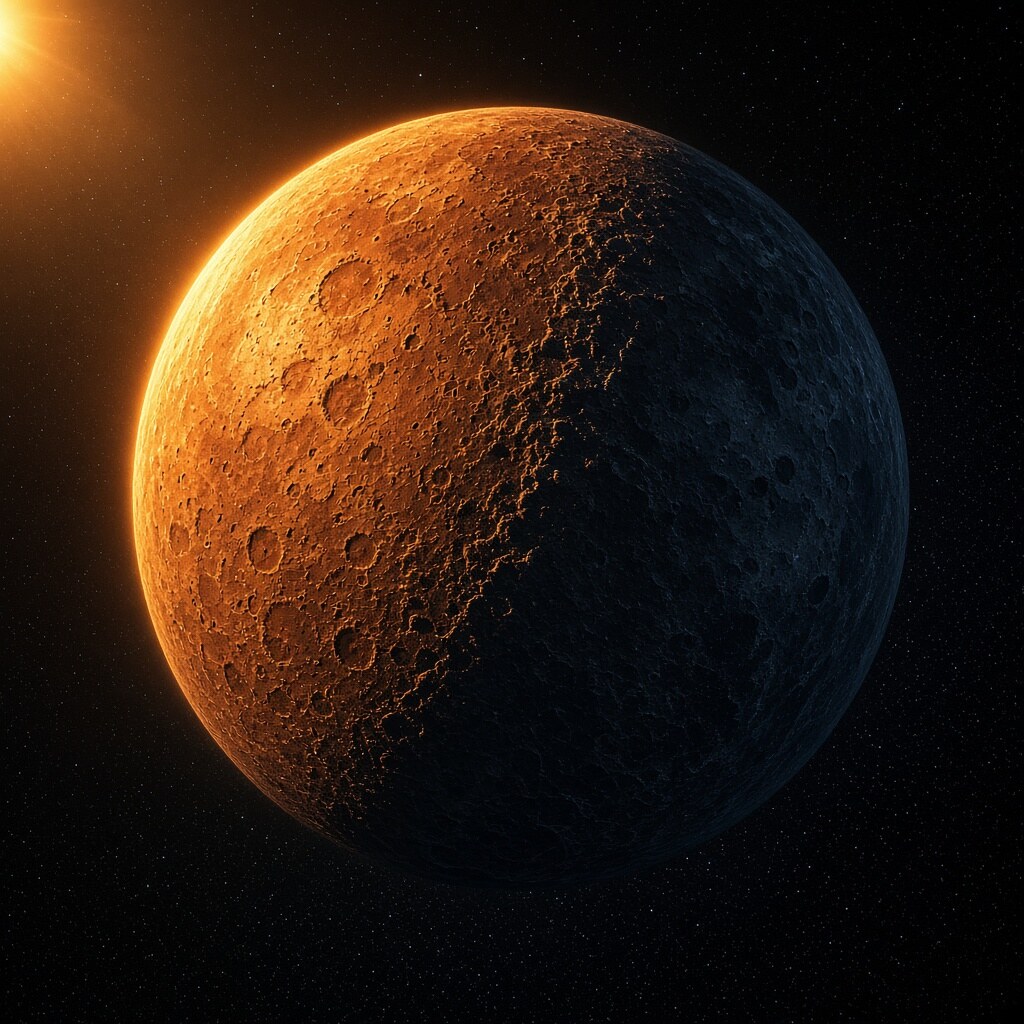
Mercury’s surface can swing from extreme heat to deep freeze
Earth’s ozone layer blocks most harmful UV-B sunlight
Halley’s Comet returns about every 76 years

Astronomy Basics