
Select the language

Notifications

Loading…
Science Facts

Astronomy Basics Facts


A day on Mars lasts about 24 hours and 39 minutes
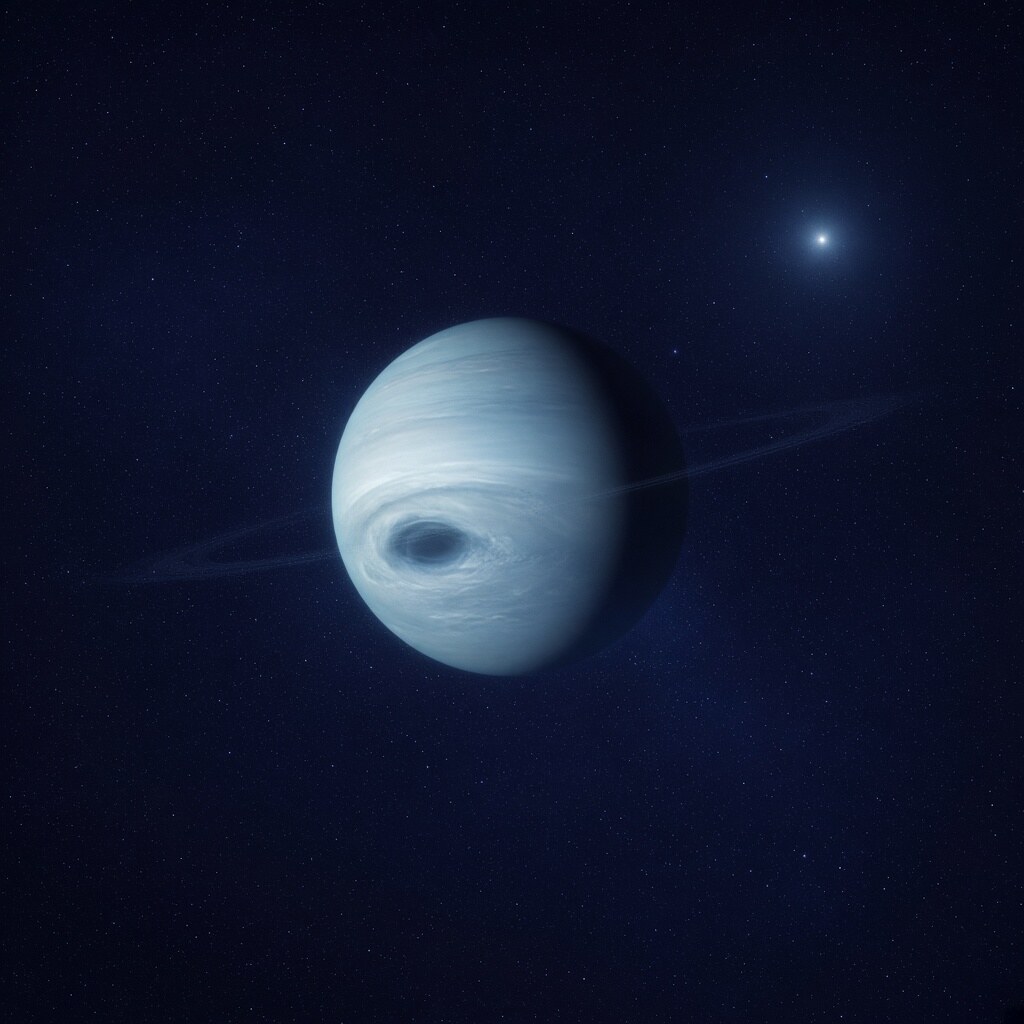
A year on Neptune lasts about 165 Earth years
The cosmic microwave background is leftover light from the Big Bang
Proxima Centauri is the nearest star beyond our Sun
A day on Venus lasts longer than a year on Venus
A neutron star is only about 20 kilometers across
Geostationary satellites appear fixed above one spot on Earth
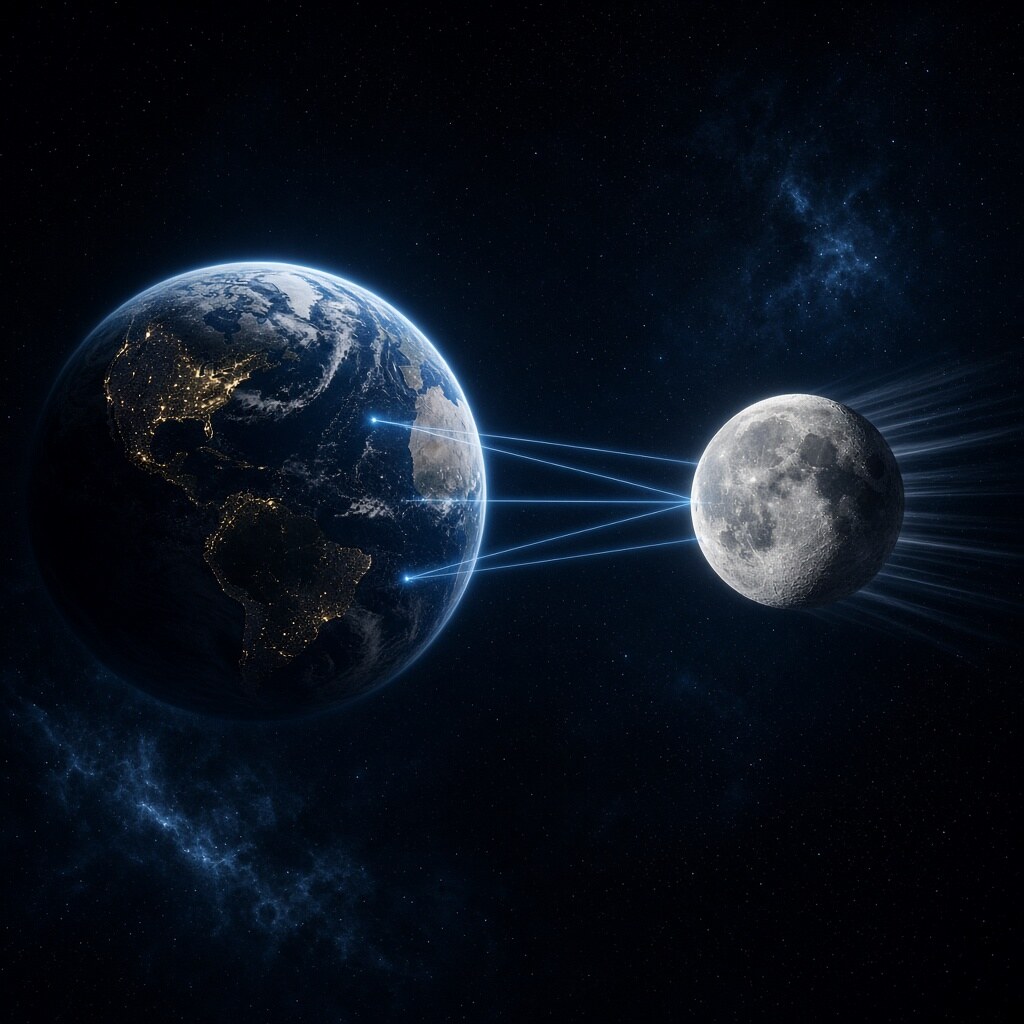
The Moon always shows Earth nearly the same face
Sunlight takes about 8 minutes to reach Earth
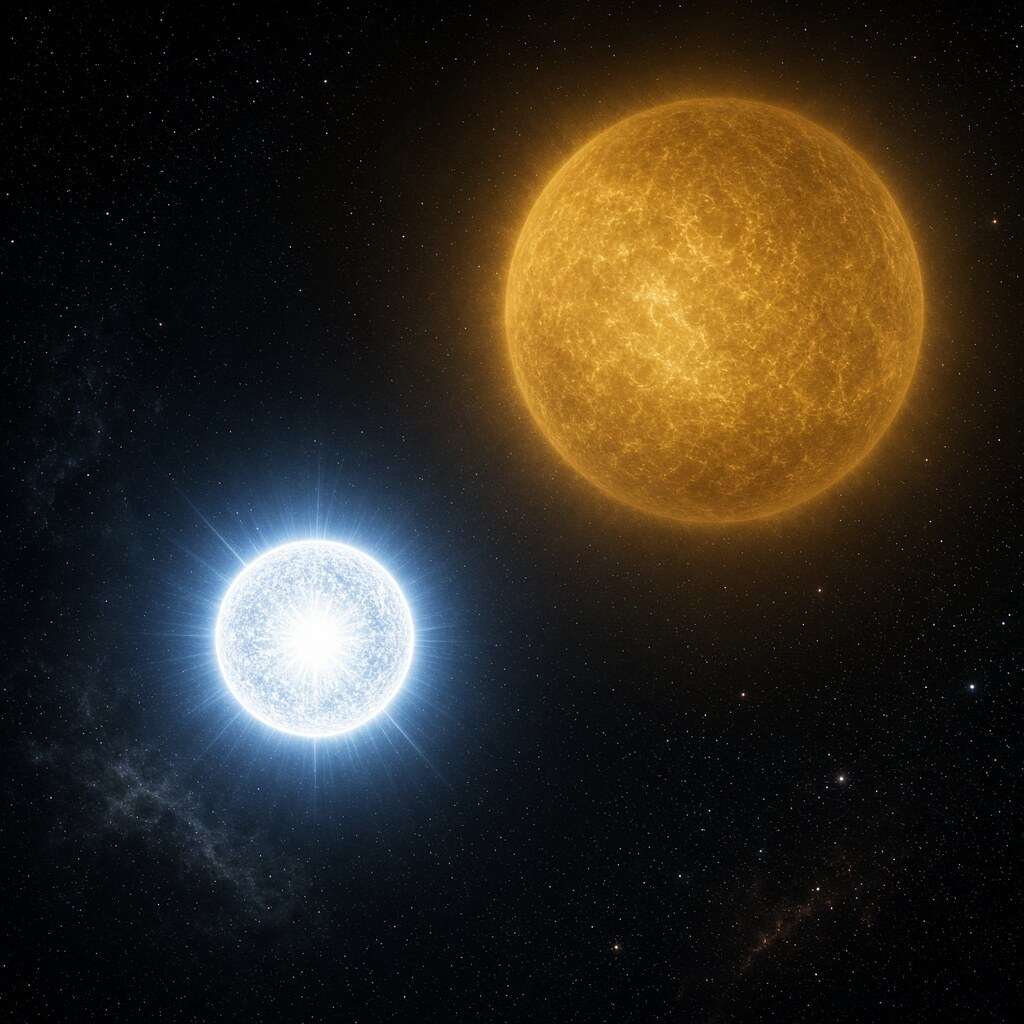
A white dwarf can pack a Sun’s mass into an Earth-sized ball
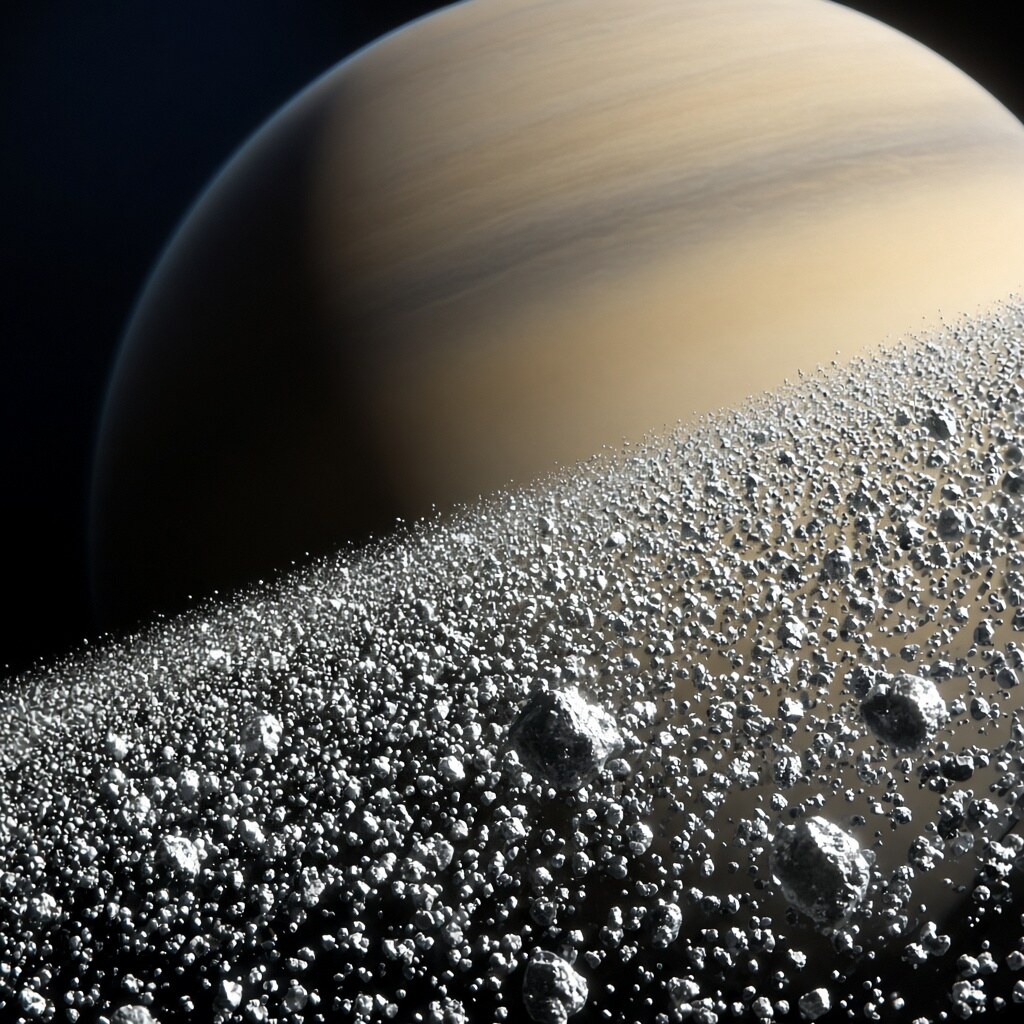
Saturn’s rings are made mostly of ice and rock
A meteor becomes a meteorite when it hits the ground
Nothing can escape once past a black hole’s event horizon
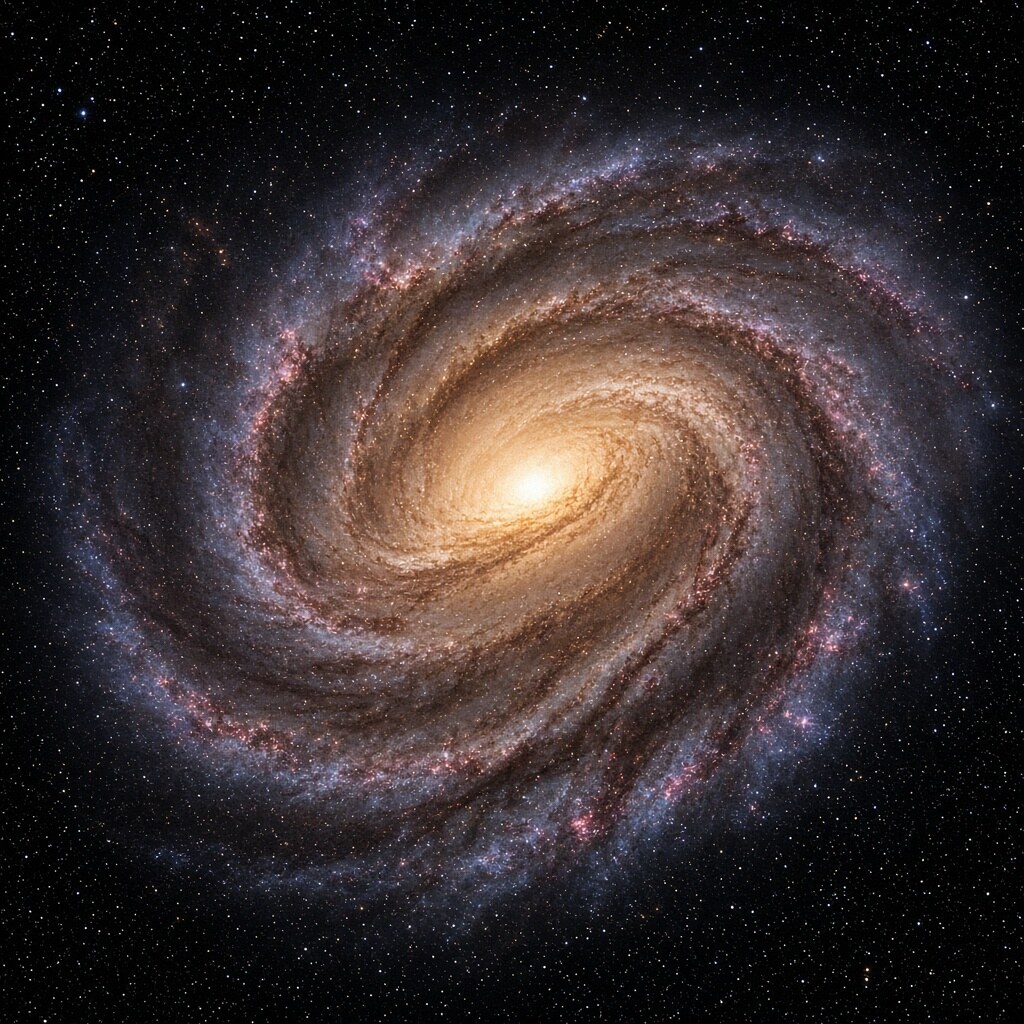
The Milky Way is about 100,000 light-years across
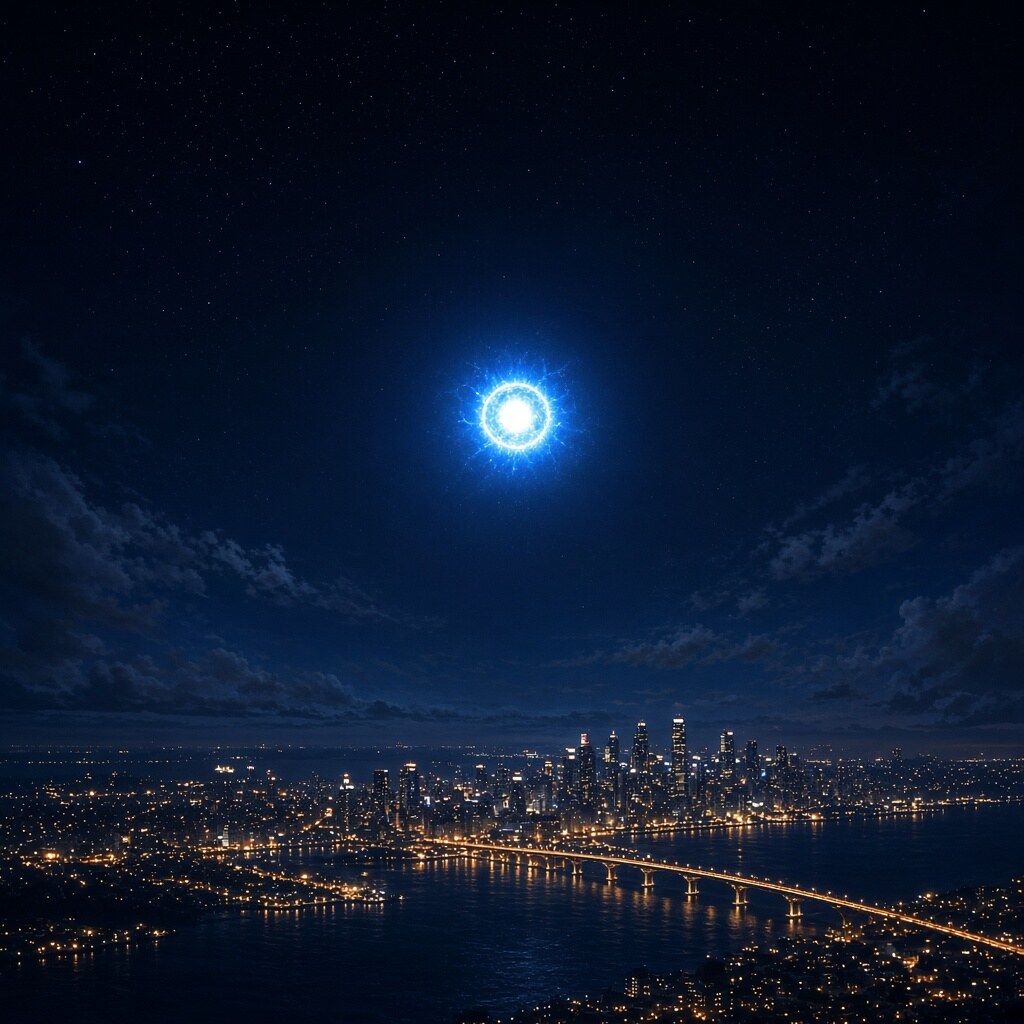
A supernova can briefly outshine its whole galaxy
Auroras glow when solar wind hits Earth’s magnetic field
Jupiter’s Great Red Spot is a storm larger than Earth
One light-year is about 9.5 trillion kilometers
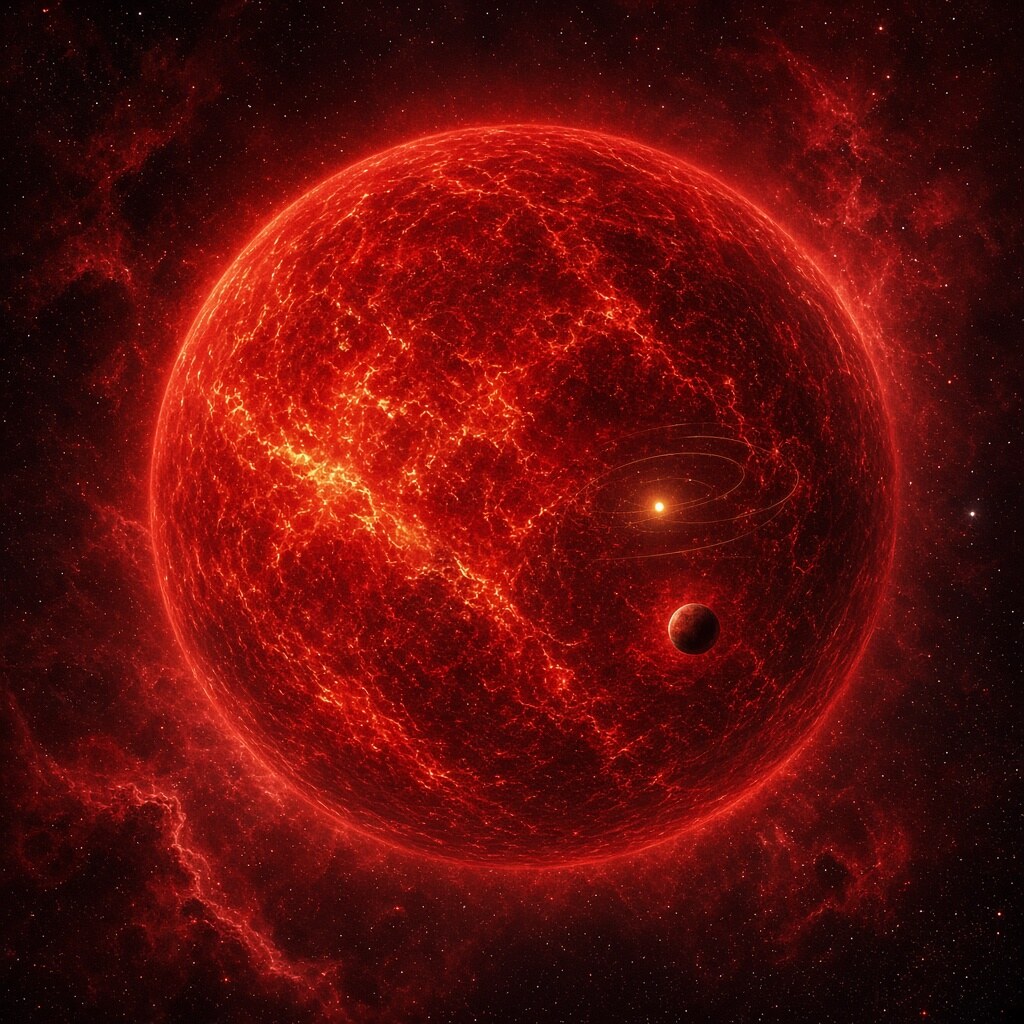
Betelgeuse could swallow the orbit of Mars
The Kuiper Belt is a ring of icy worlds beyond Neptune
Uranus spins tipped nearly on its side
A total solar eclipse can turn day into twilight
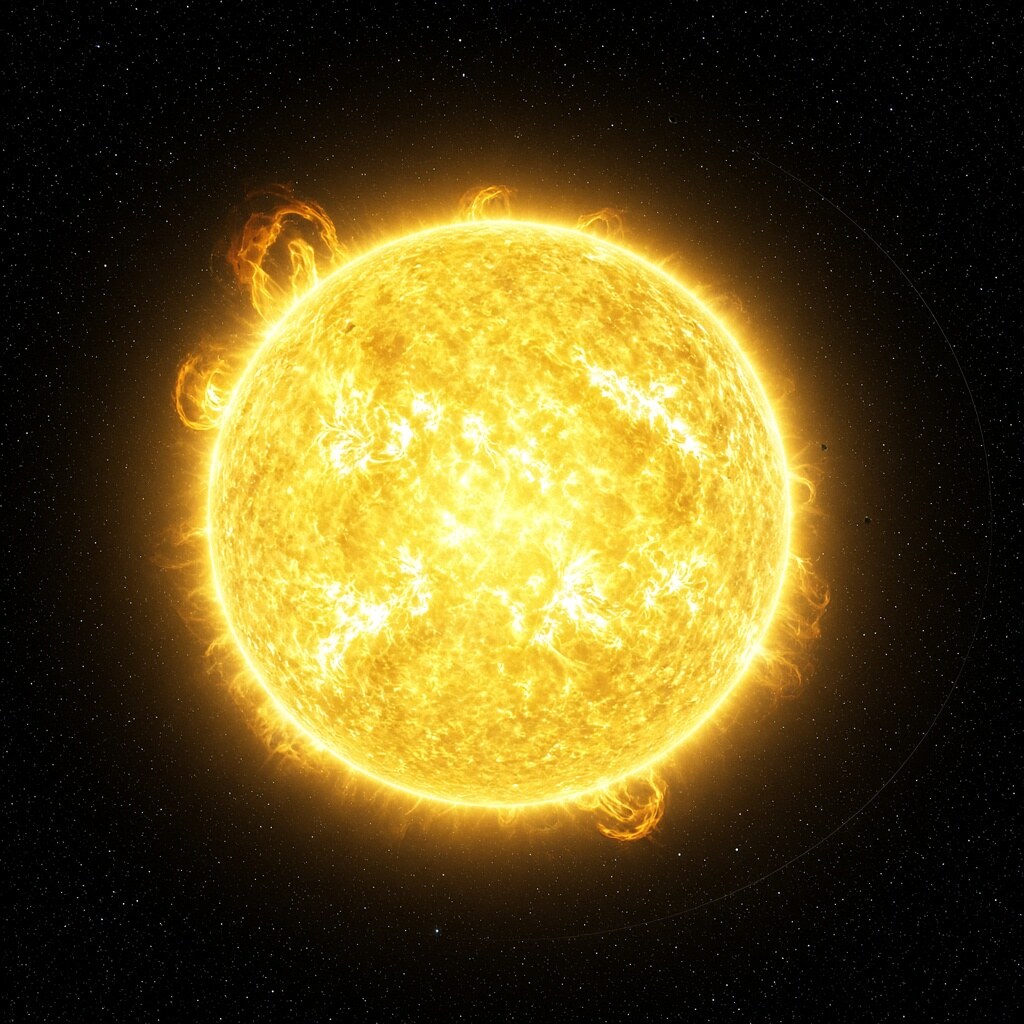
The Sun holds about 99.8% of the solar system’s mass
The Moon drifts away from Earth about 3.8 cm every year
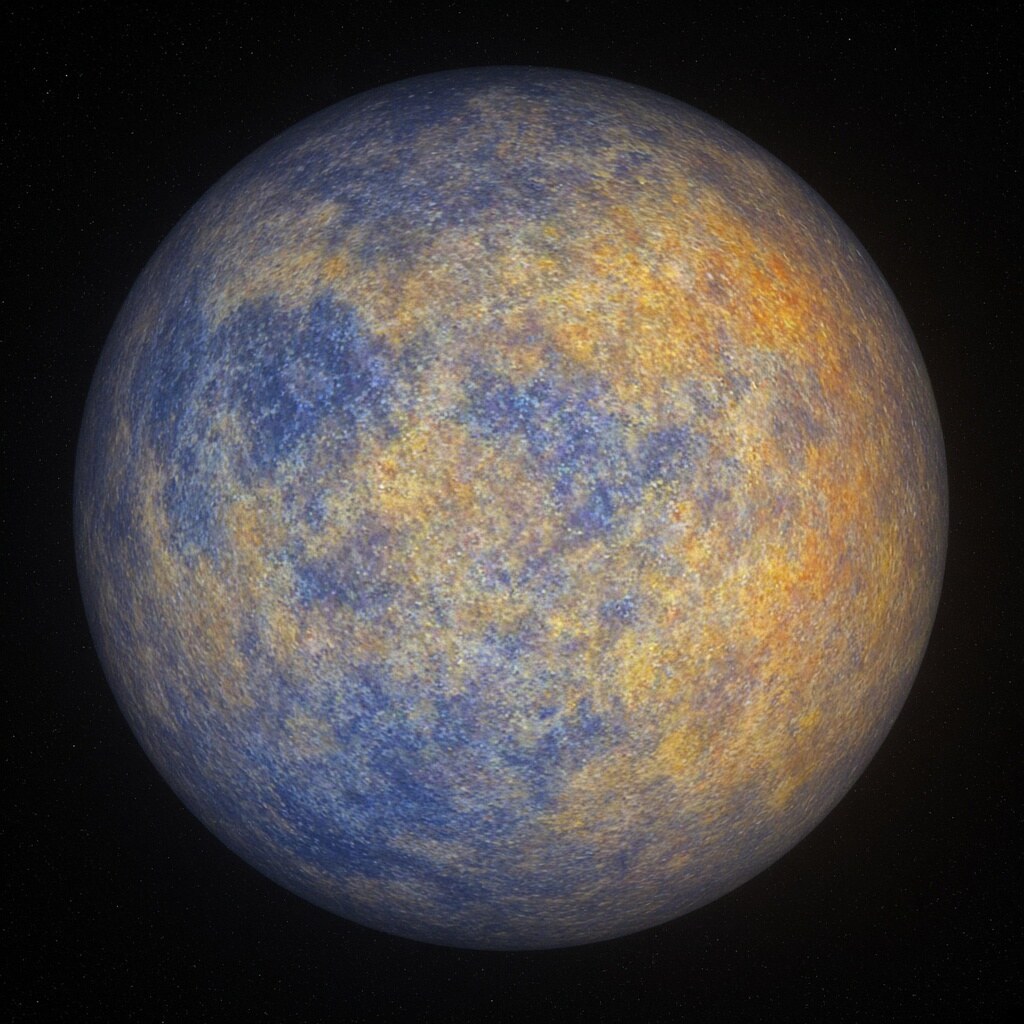
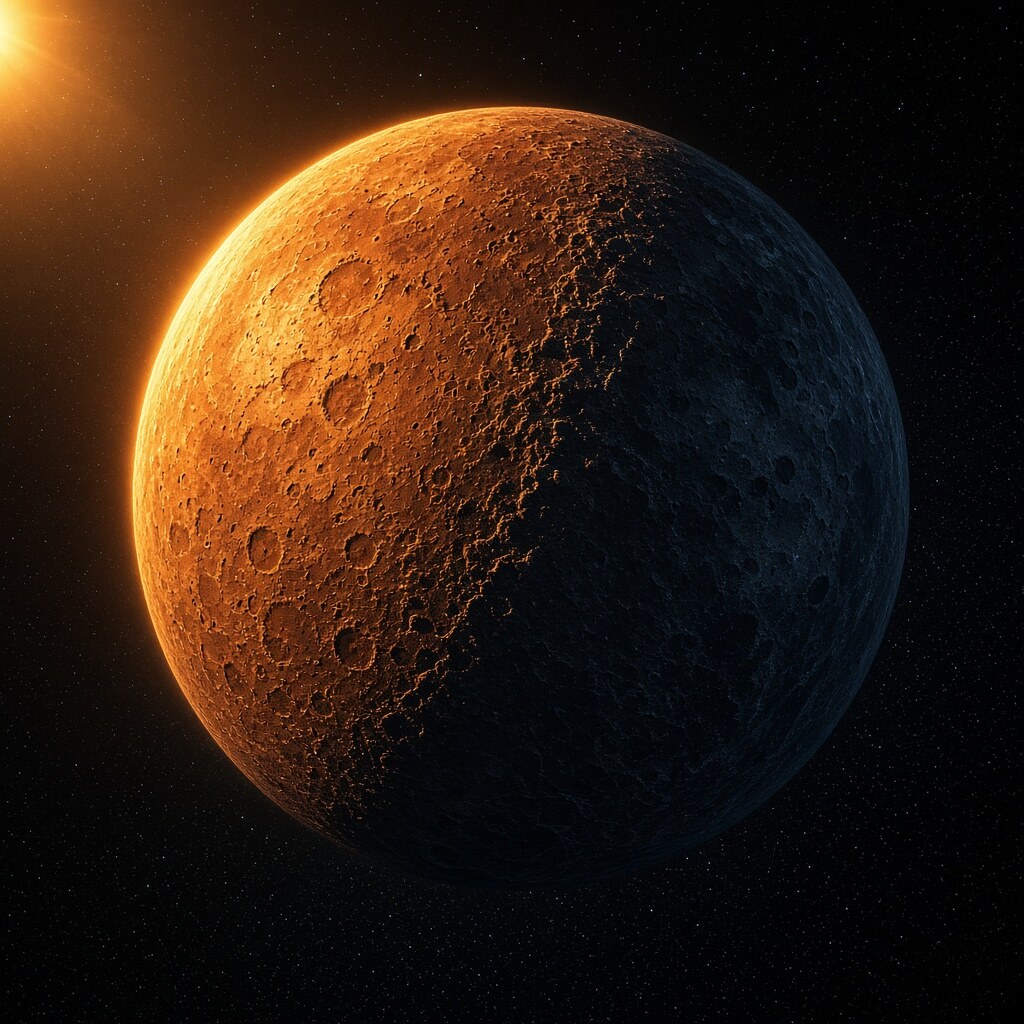
Mercury’s surface can swing from extreme heat to deep freeze

Astronomy Basics