
Select the language

Notifications

Loading…
Space Facts

Solar System Facts


A day on Mars lasts about 24 hours and 39 minutes
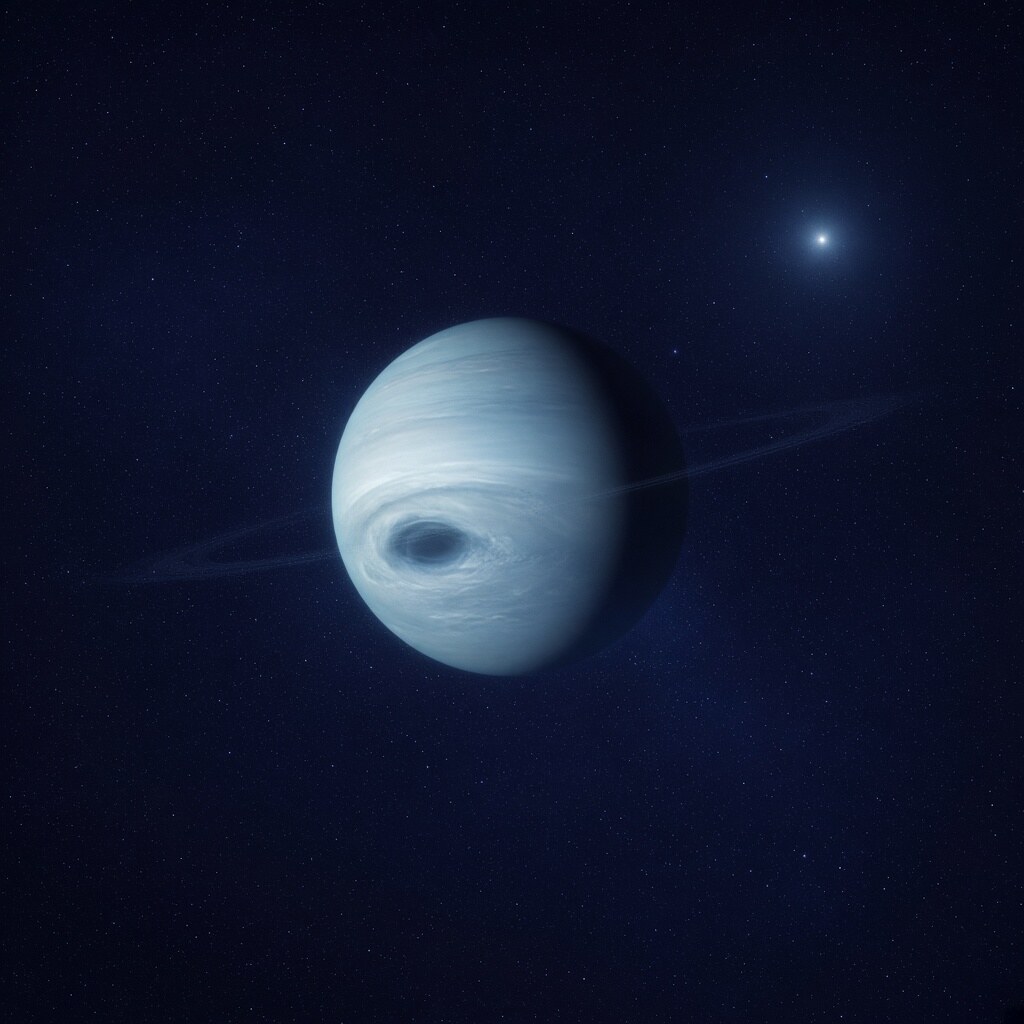
A year on Neptune lasts about 165 Earth years
Europa likely hides a global ocean under its ice
Titan has lakes of liquid methane and ethane
A day on Venus lasts longer than a year on Venus
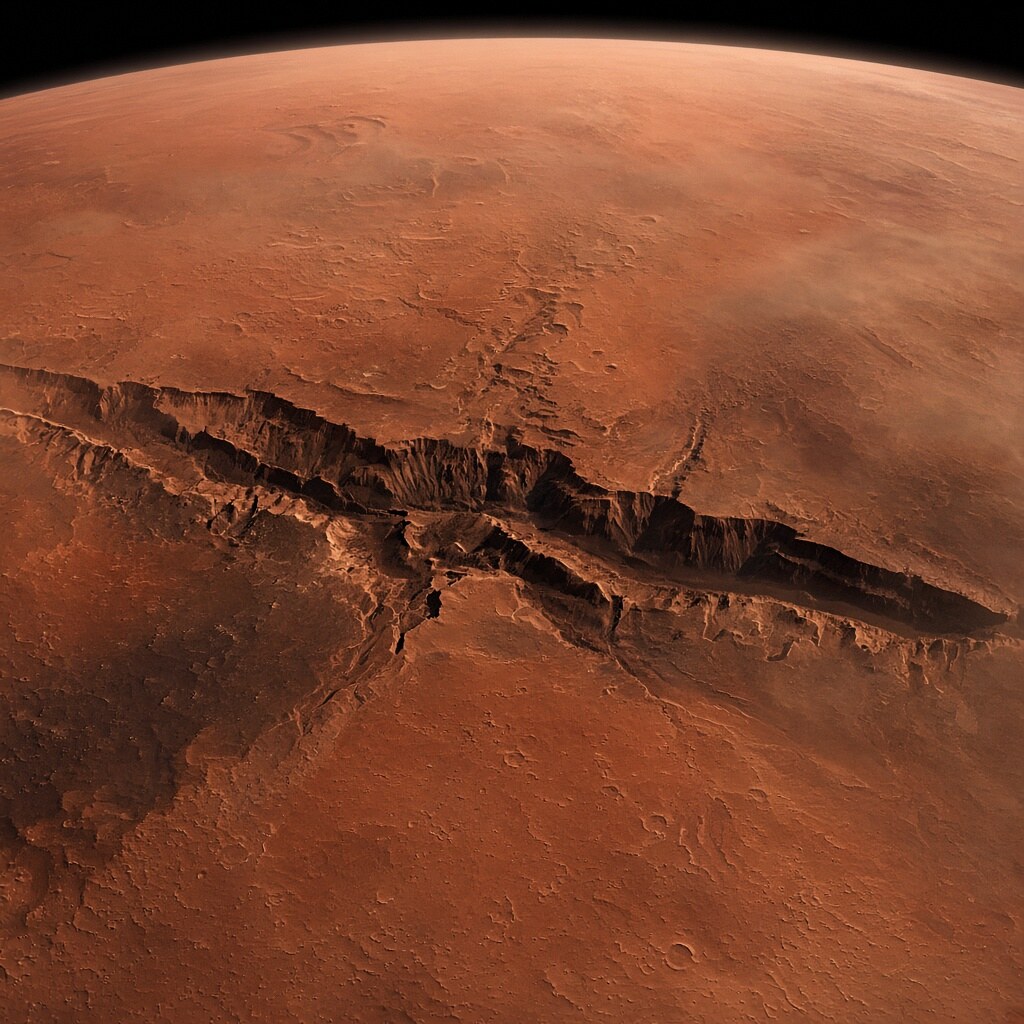
Valles Marineris on Mars stretches longer than the USA is wide
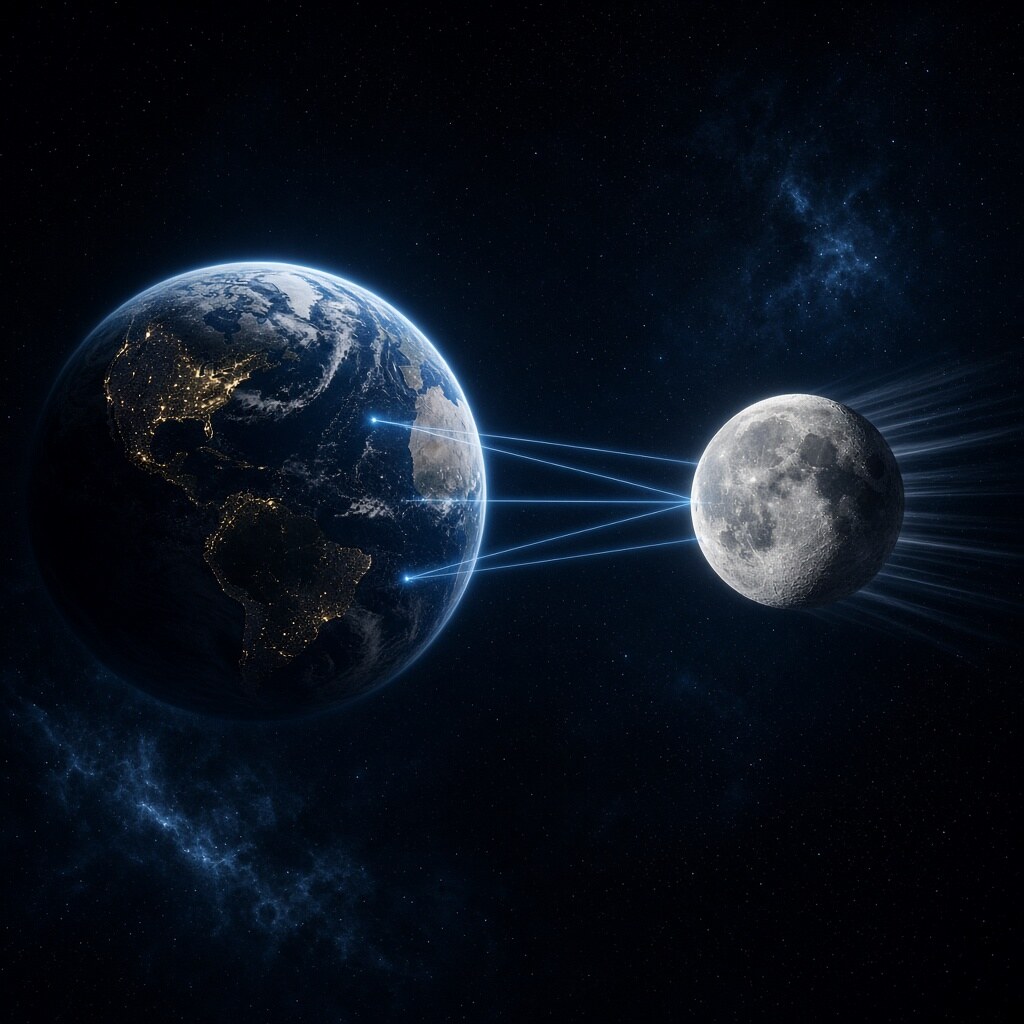
The Moon always shows Earth nearly the same face
Sunlight takes about 8 minutes to reach Earth
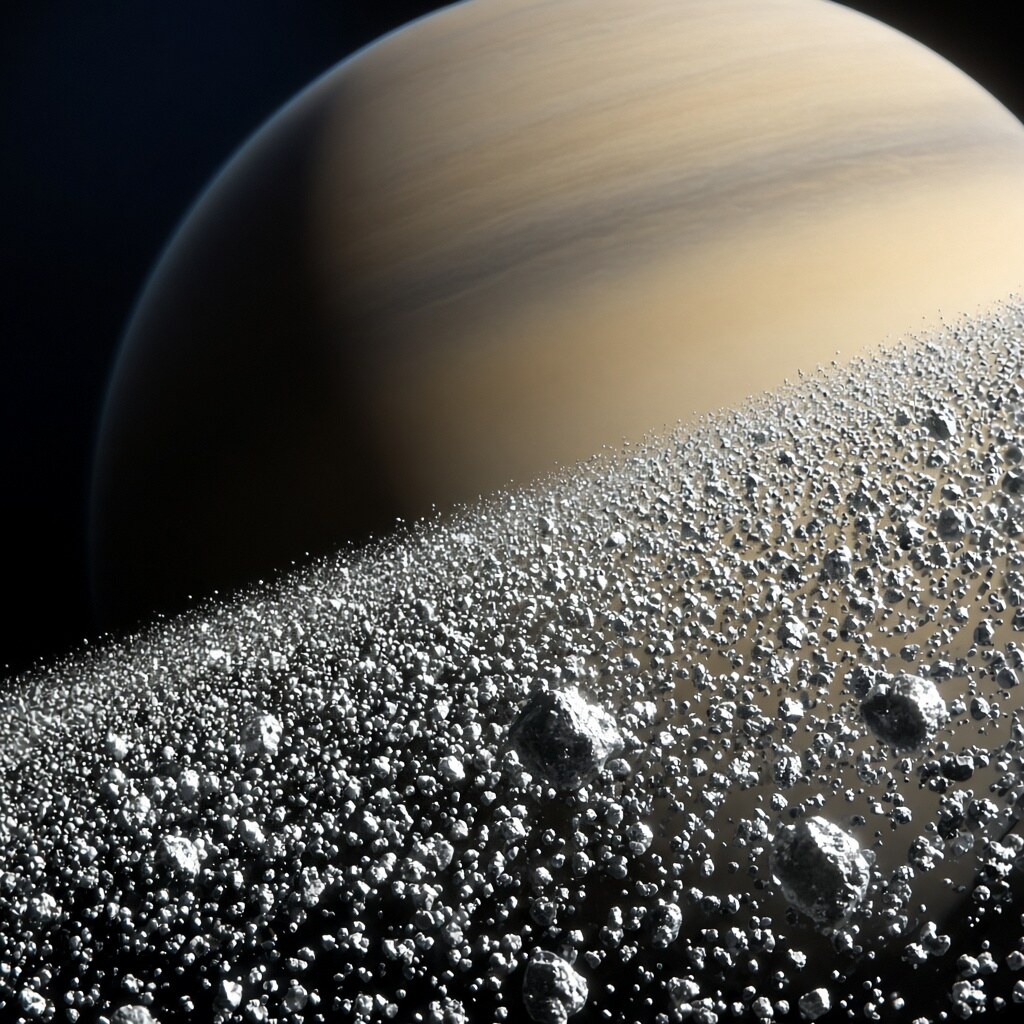
Saturn’s rings are made mostly of ice and rock
Neptune’s winds can reach about 2,000 km/h
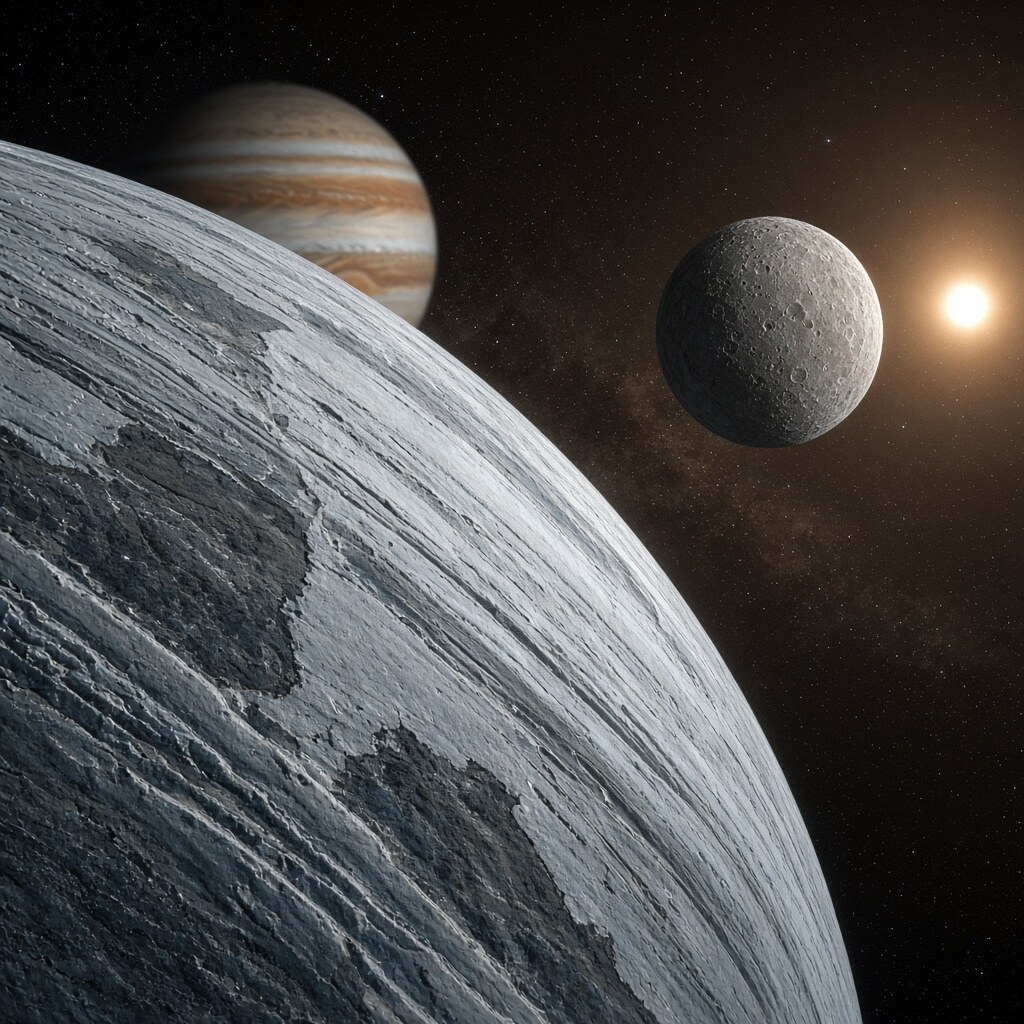
Ganymede is bigger than the planet Mercury
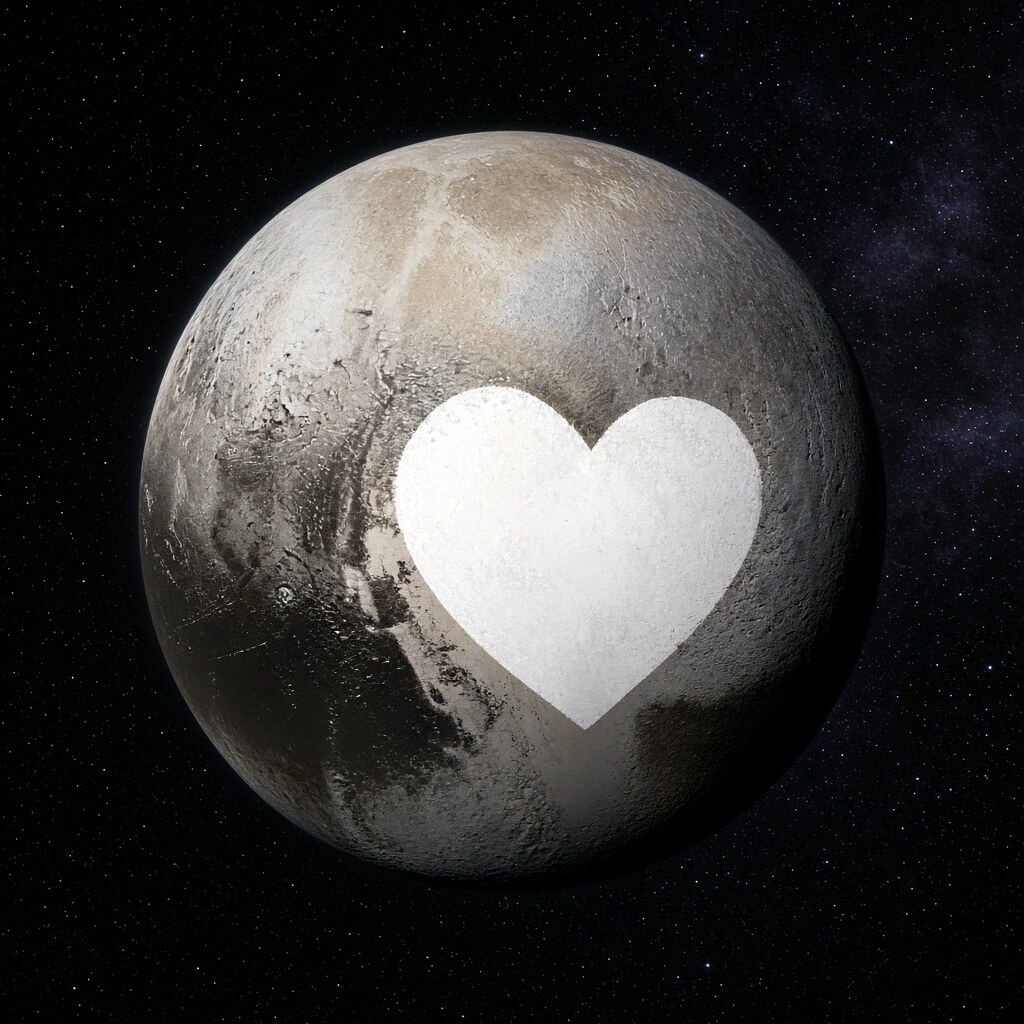
Pluto is classified as a dwarf planet
A meteor becomes a meteorite when it hits the ground
Jupiter’s Great Red Spot is a storm larger than Earth
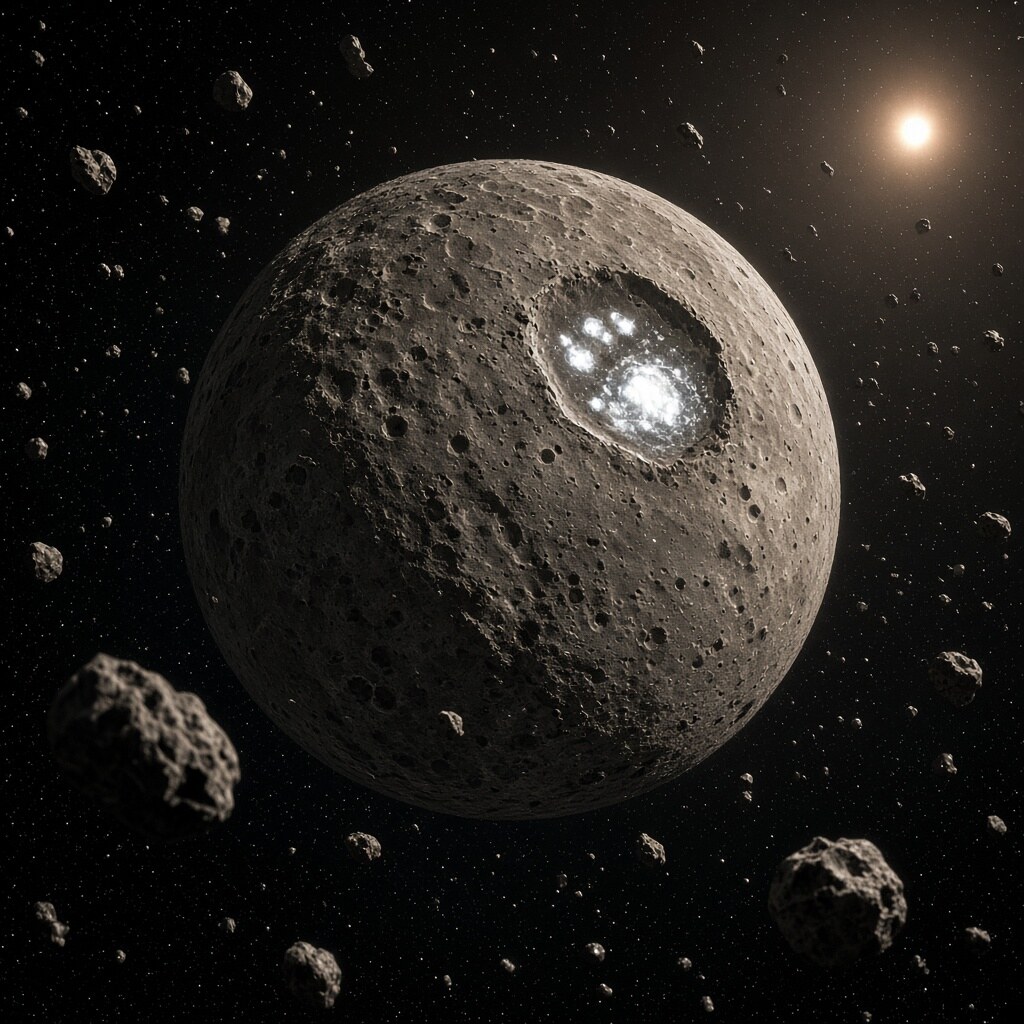
Ceres is the largest world in the asteroid belt
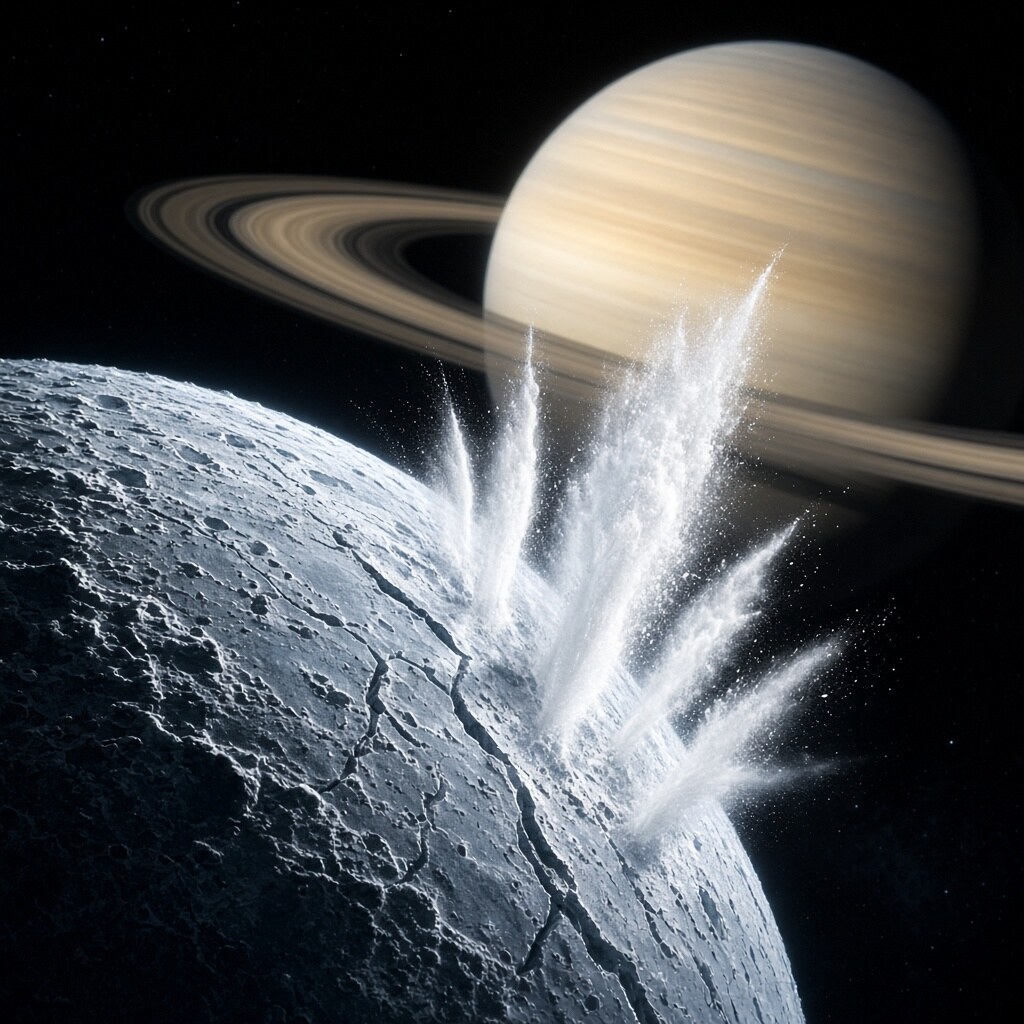
Enceladus shoots geysers of water ice into space
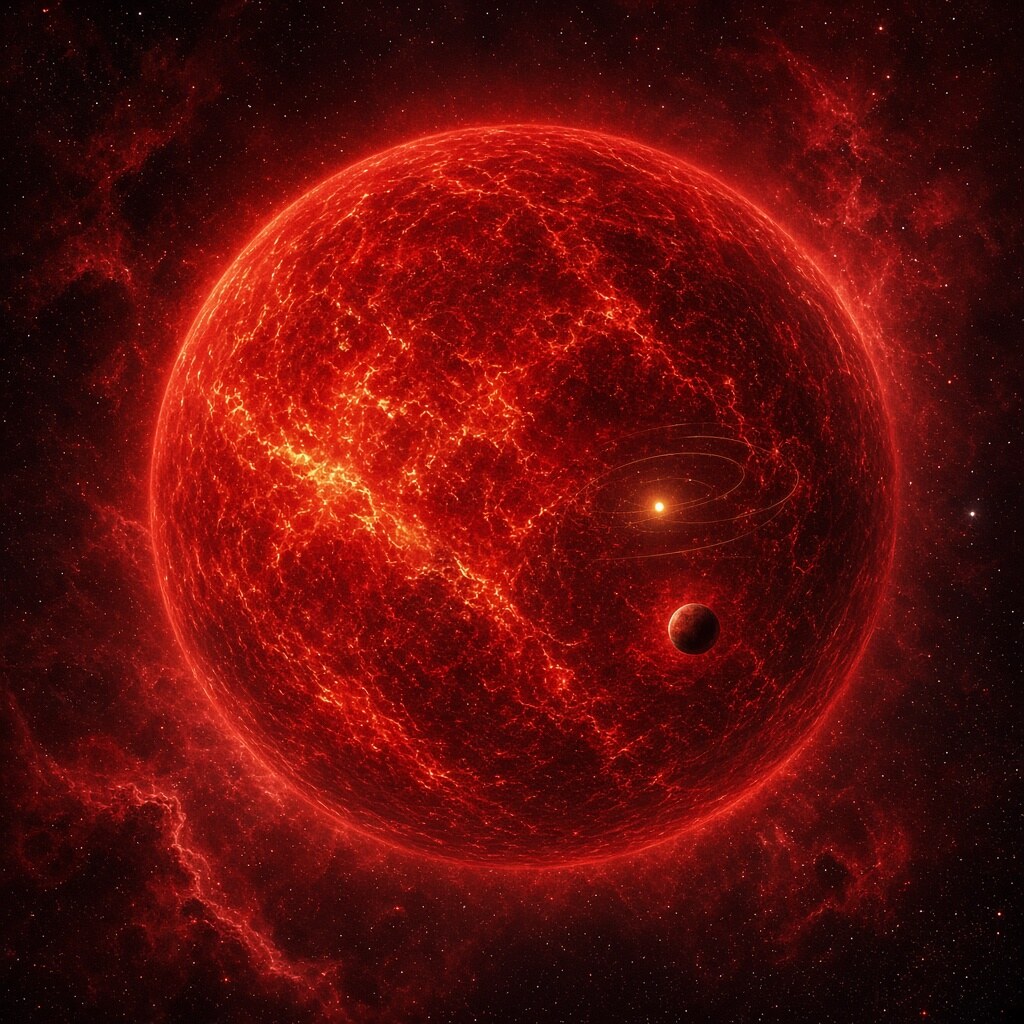
Betelgeuse could swallow the orbit of Mars
The Kuiper Belt is a ring of icy worlds beyond Neptune
Uranus spins tipped nearly on its side
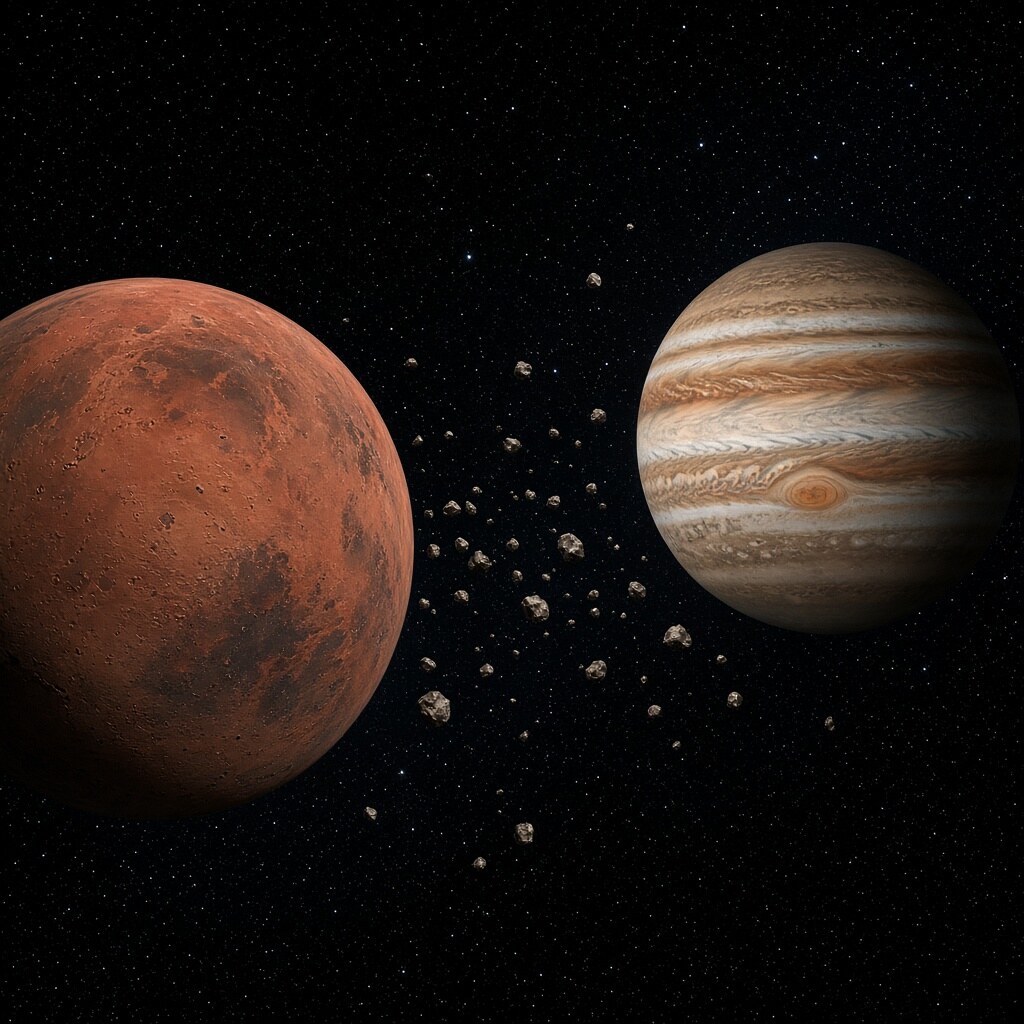
The asteroid belt sits between Mars and Jupiter
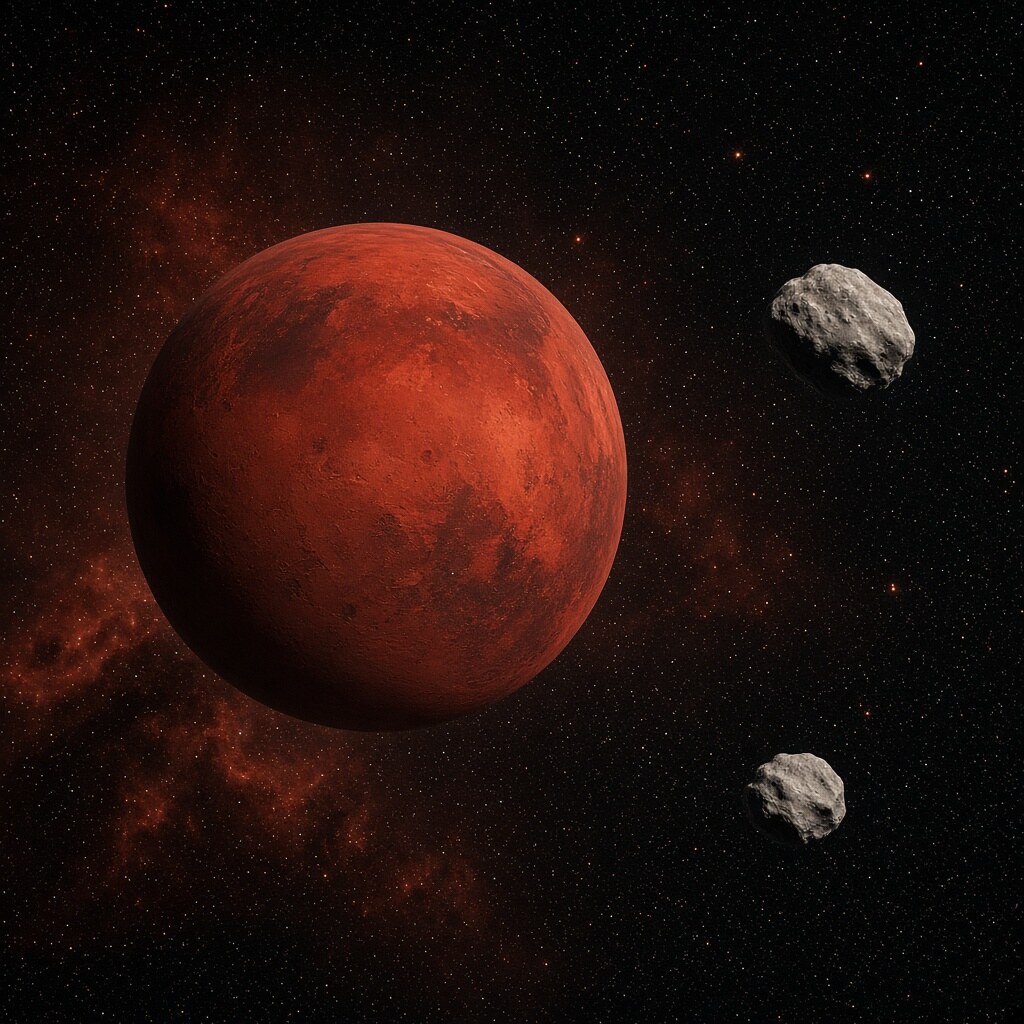
Mars has two tiny moons, Phobos and Deimos
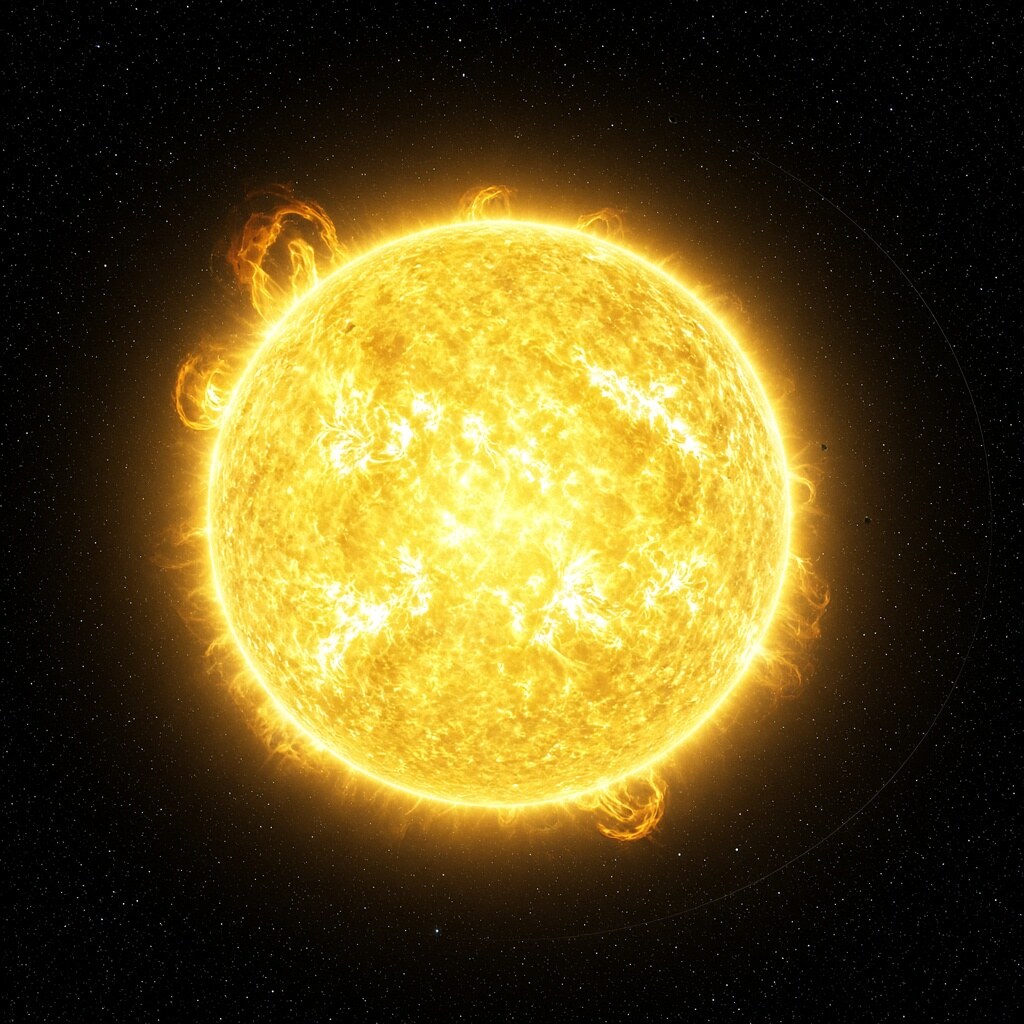
The Sun holds about 99.8% of the solar system’s mass
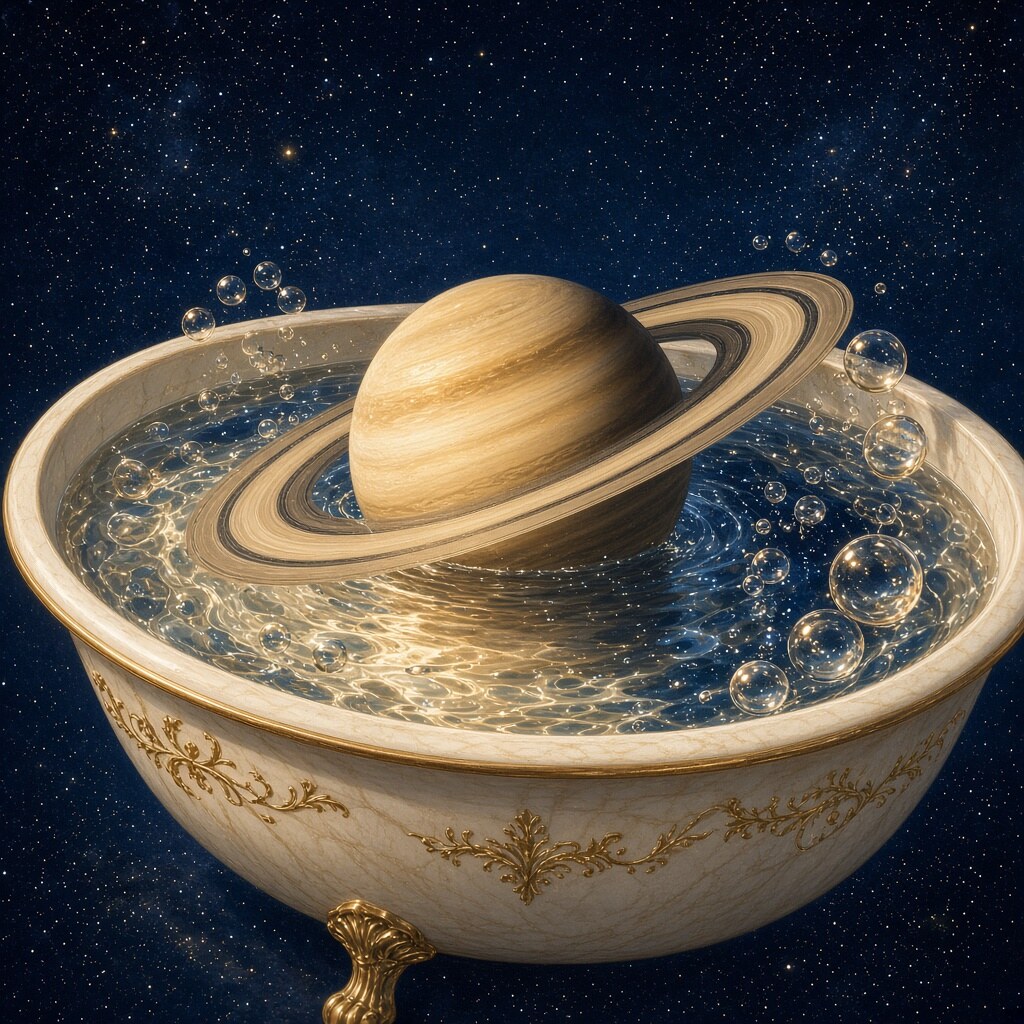
Saturn would float in a bathtub large enough to hold it
The Moon drifts away from Earth about 3.8 cm every year
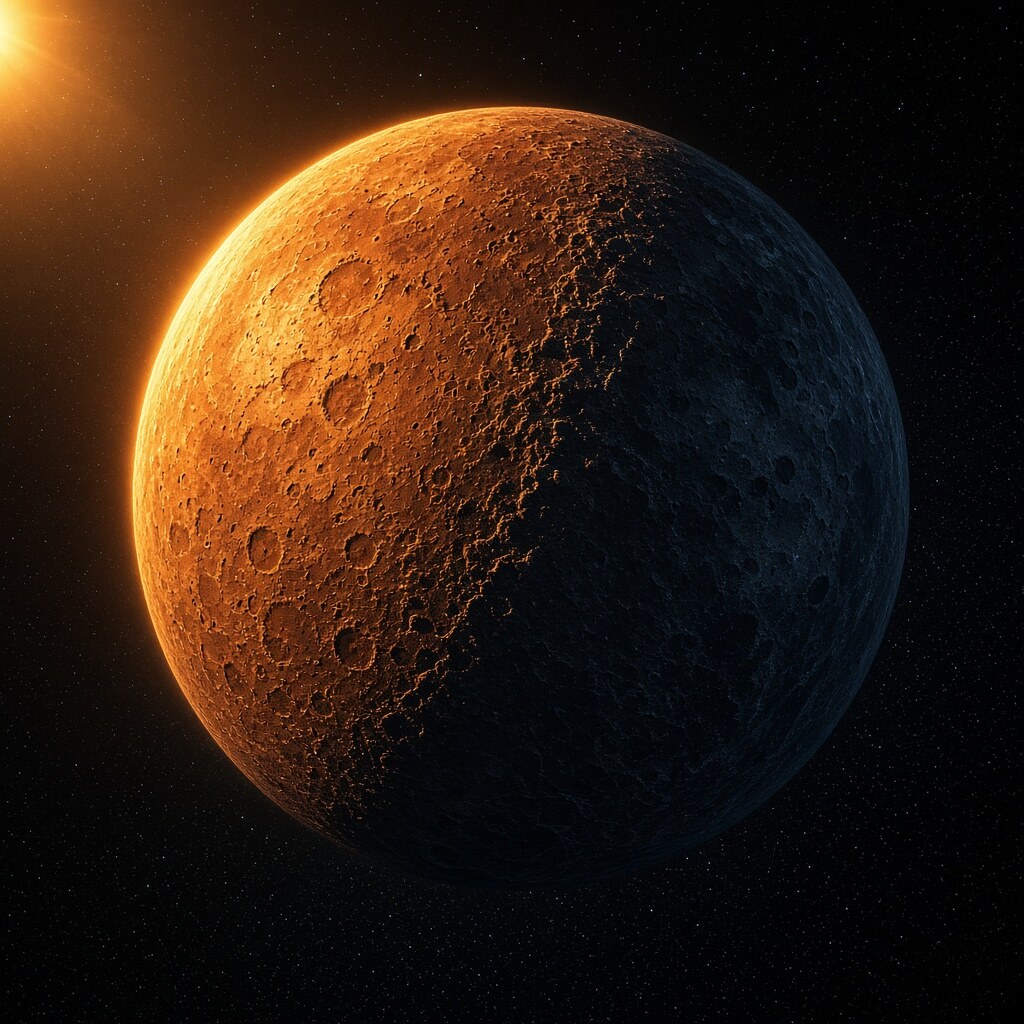
Mercury’s surface can swing from extreme heat to deep freeze

Solar System