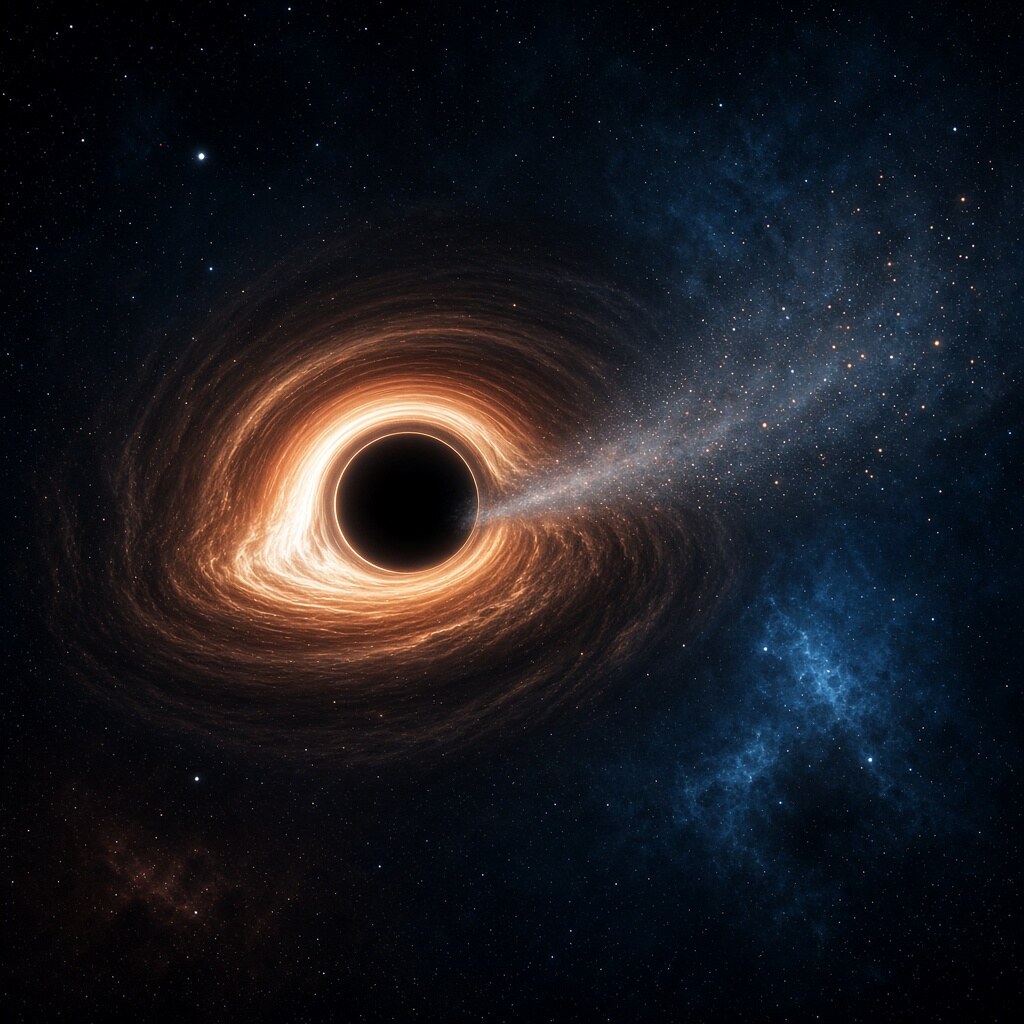
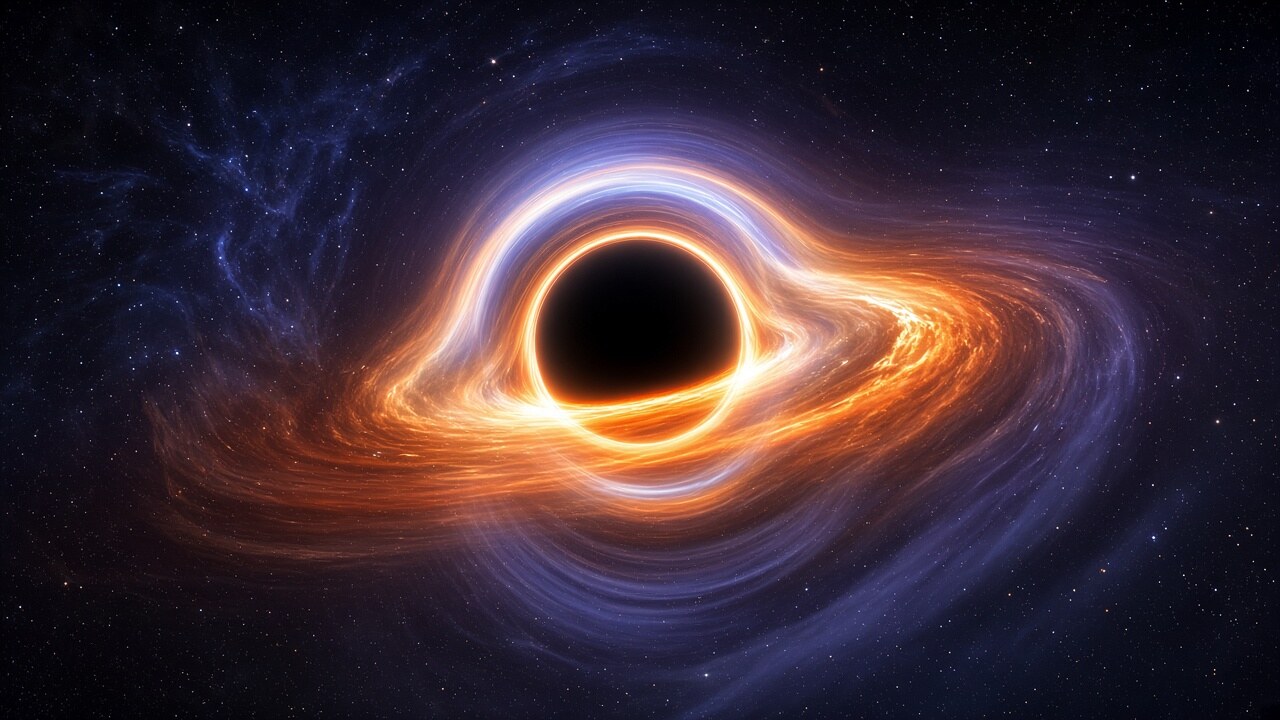
Hawking radiation predicts that black holes emit a faint thermal glow and lose mass over time. Evaporation is real in theory — but glacially slow for large holes.
A stellar-mass black hole would need far longer than the age of the universe to vanish this way. Only tiny hypothetical holes would disappear quickly.
The idea links gravity, quantum fields, and thermodynamics. Even if we never watch a hole fade, Hawking’s insight reshaped how physicists think about information and horizons.












Shahzad Mahota
Black holes can evaporate — very slowly
0 comments