


Select the language

Notifications

Loading…
Science Facts

Physics Facts


There are about 10²² to 10²⁴ stars in the observable universe
Total internal reflection guides fiber-optic internet
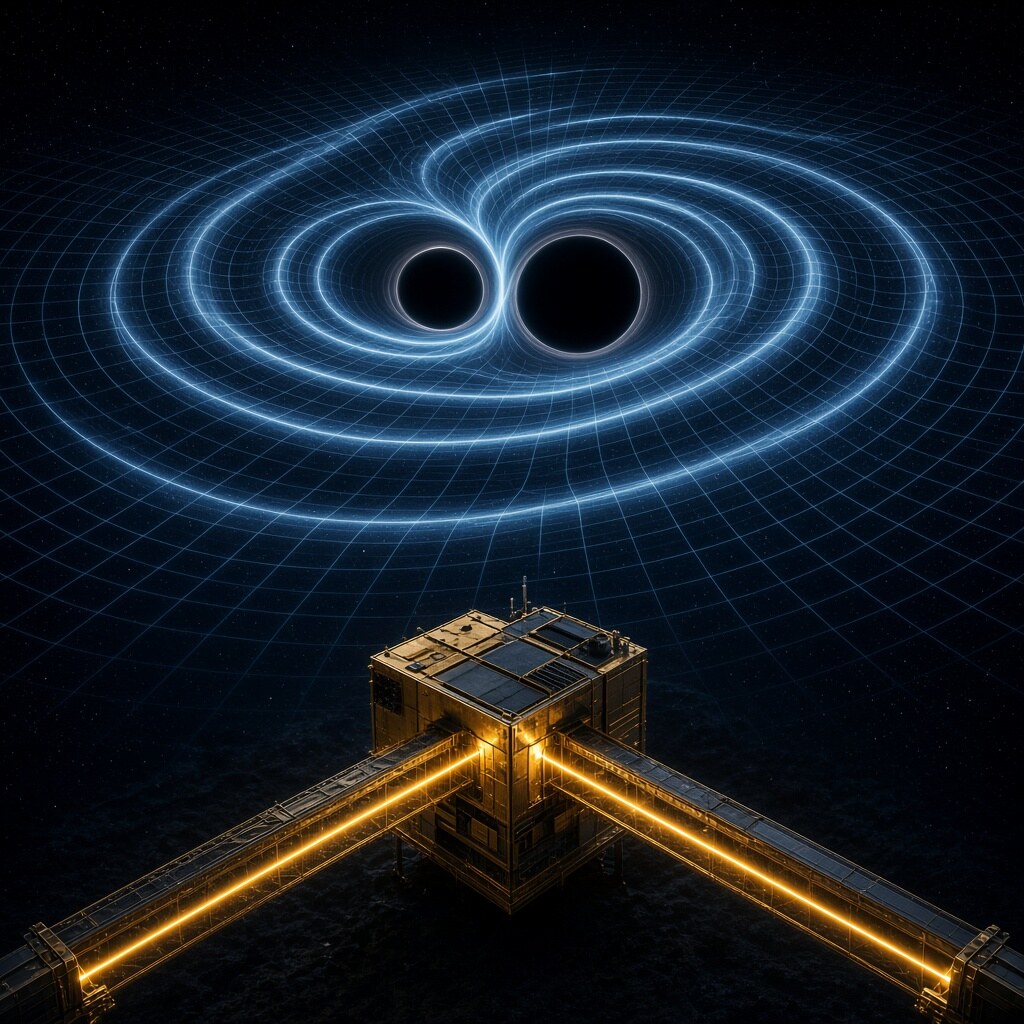
Gravitational waves stretch space by tiny amounts
Pressure under 10 meters of water roughly doubles
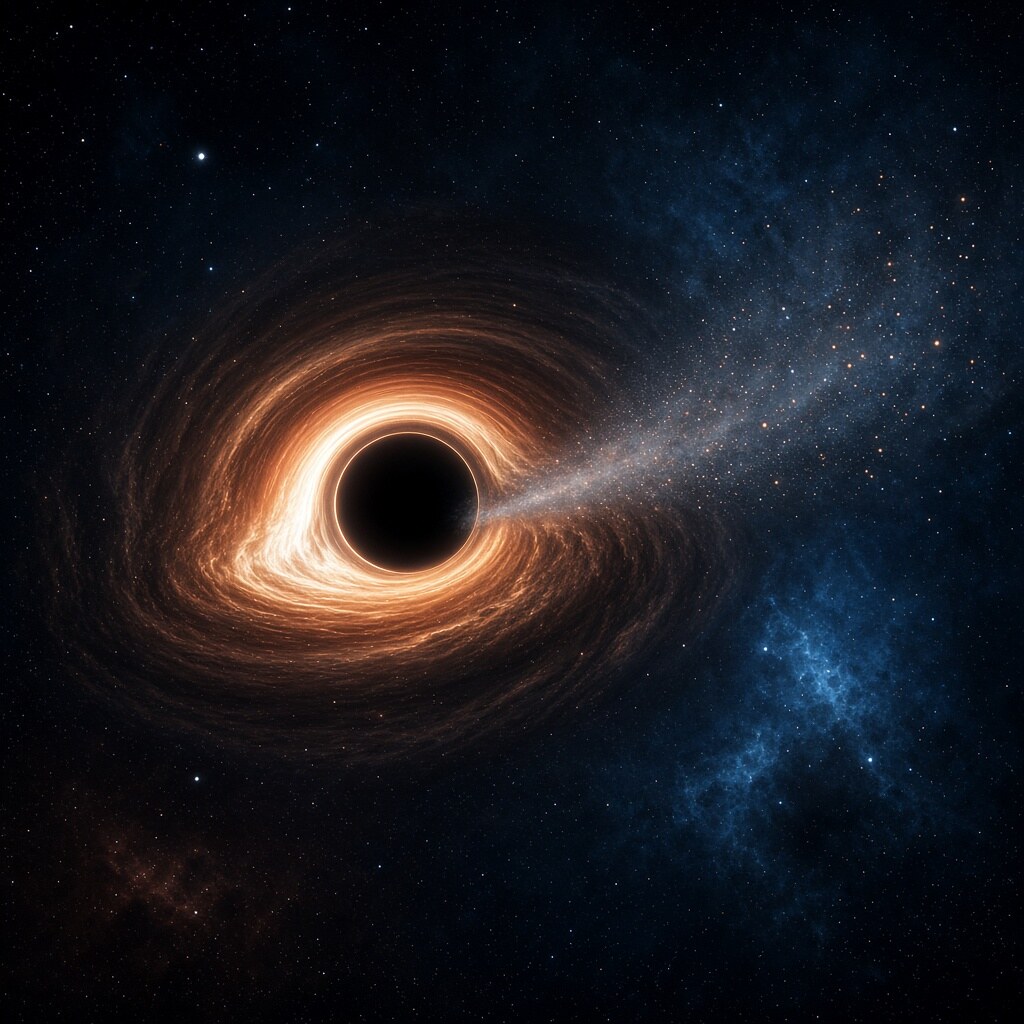
Black holes can evaporate — very slowly
Earth’s core is about as hot as the Sun’s surface
Bose-Einstein condensates act like one giant atom
White light is a mix of many wavelengths
Earth’s gravity pulls at about 9.8 m/s²
Liquid nitrogen boils at −196°C
Muon particles created in the atmosphere reach Earth
A Fermi paradox asks: where is everybody?
Earth travels ~107,000 km/h around the Sun
A lightning flash heats air to ~30,000°C
The Planck length is about 1.6 × 10⁻³⁵ meters
The Higgs boson was confirmed in 2012 at ~125 GeV
Absolute zero is −273.15°C
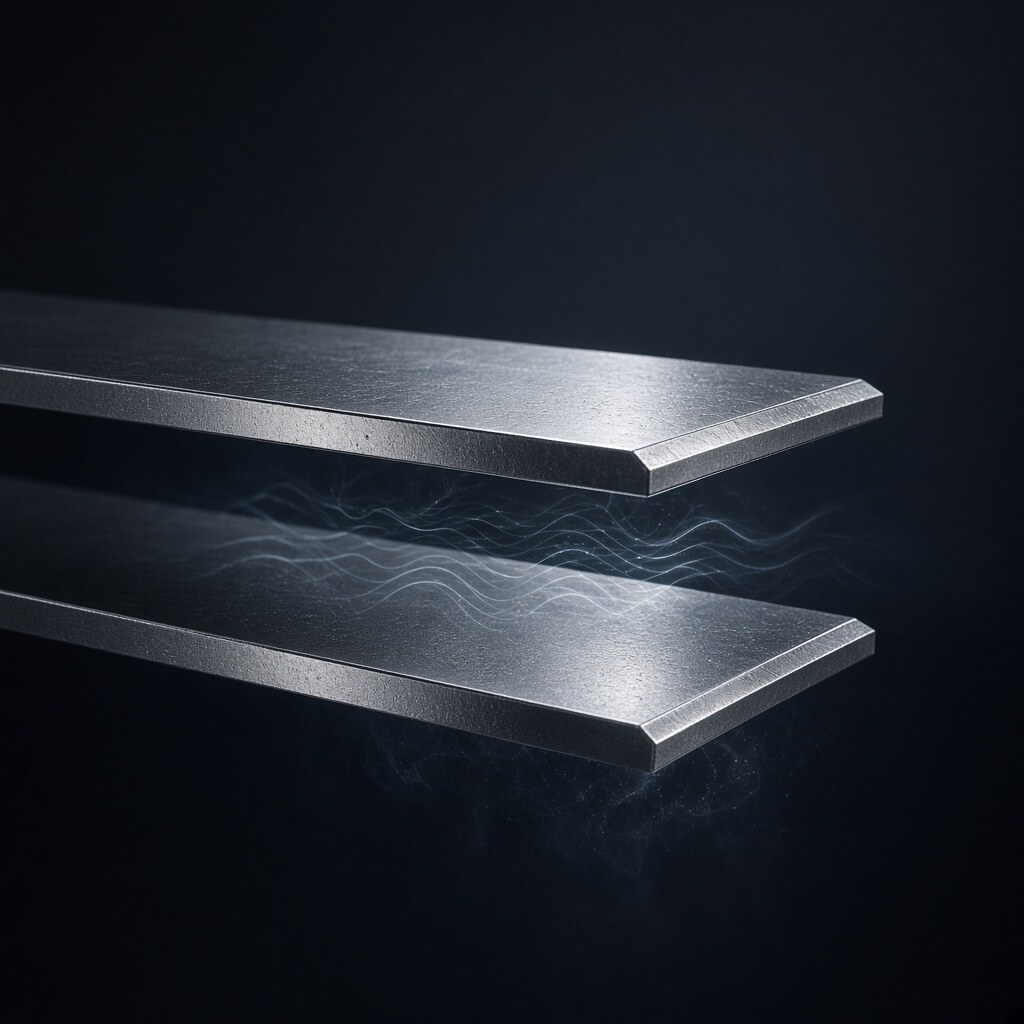
The Casimir effect pulls two metal plates together in a vacuum
Lasers can cool atoms to near absolute zero
Superconductors can levitate magnets
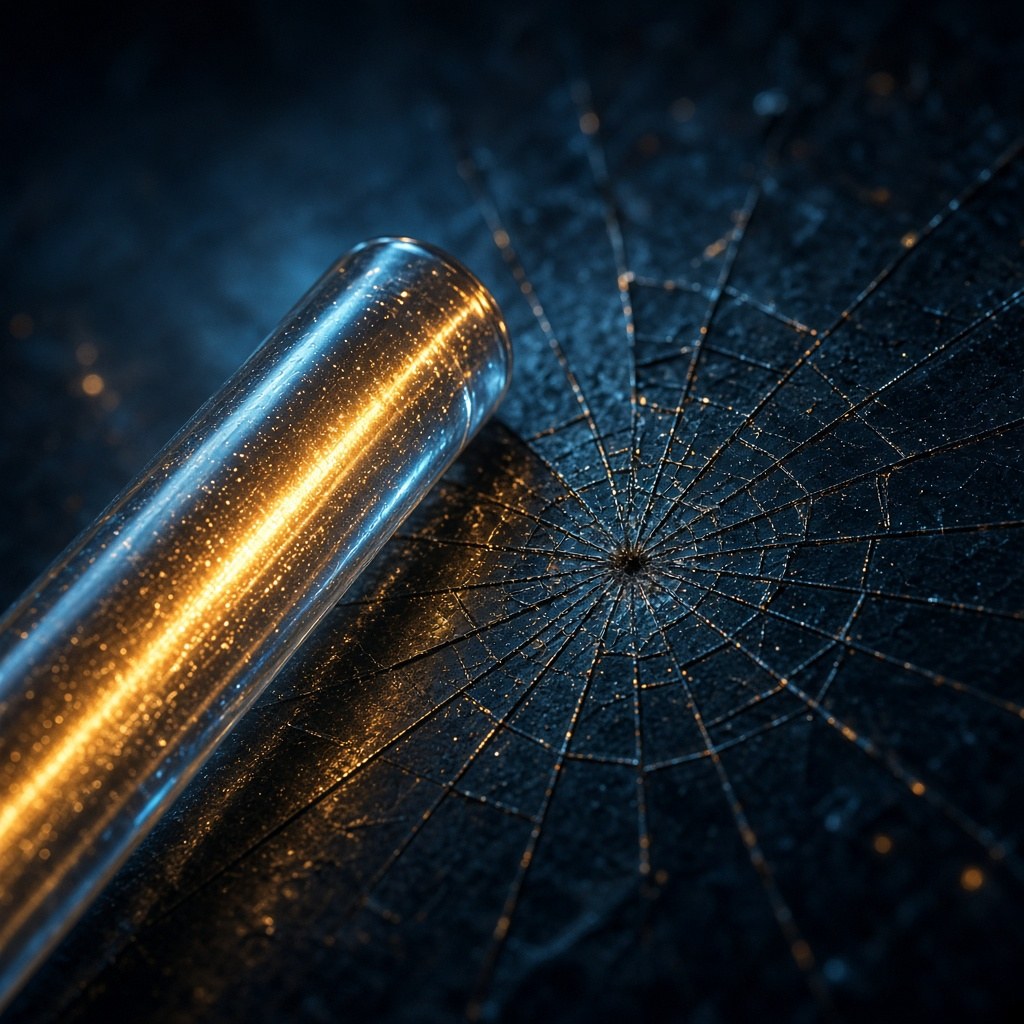
Glass can be stronger than steel — until a scratch appears
Vacuum is never perfectly empty
Polarized sunglasses cut glare from horizontal surfaces
Nuclear fission of 1 kg of uranium-235 releases huge energy
A joule is roughly the energy to lift an apple one meter

Physics