








Select the language

Notifications

Loading…
Science Facts

Physics Facts


The observable universe is about 93 billion light-years across
A lightning bolt carries about 1 billion joules of energy
The cosmic microwave background is ~2.7 K
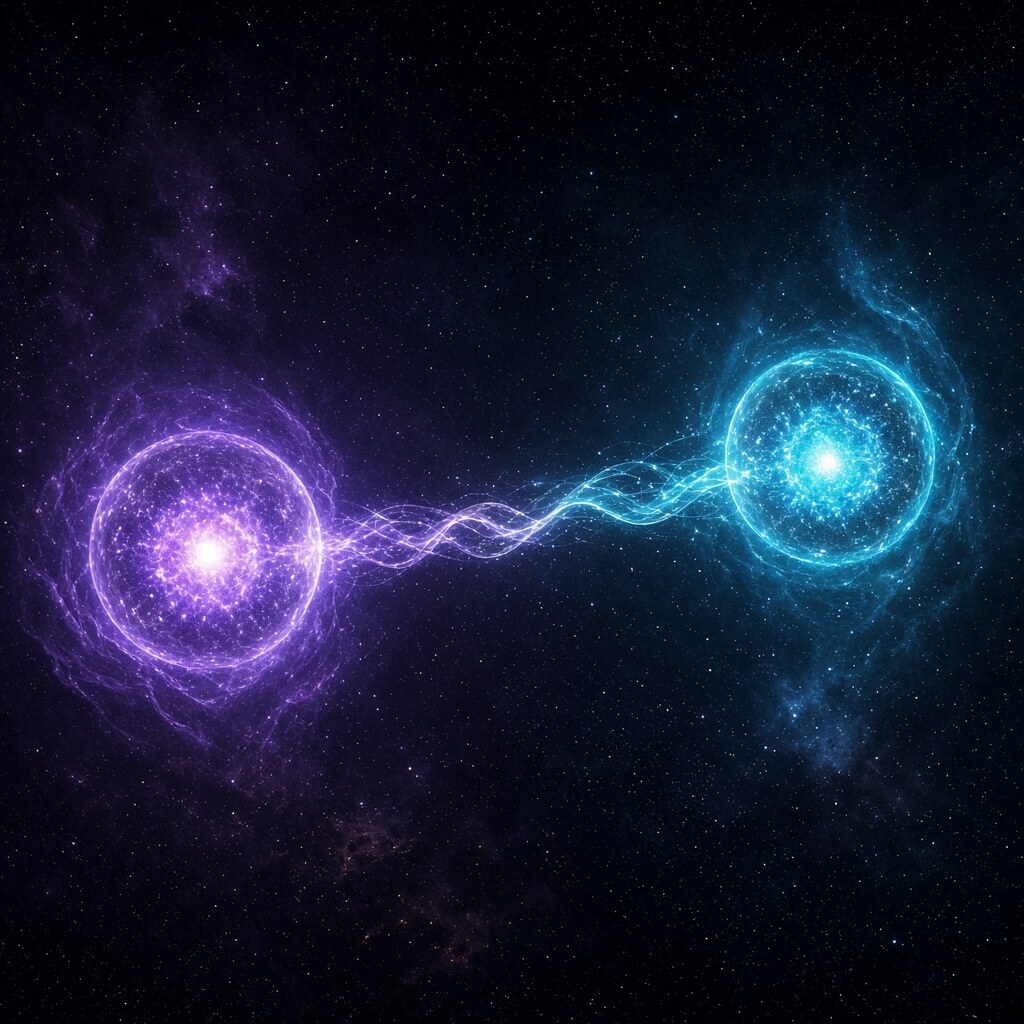
Quantum entanglement links particles across distance
The Chandrasekhar limit is about 1.4 solar masses
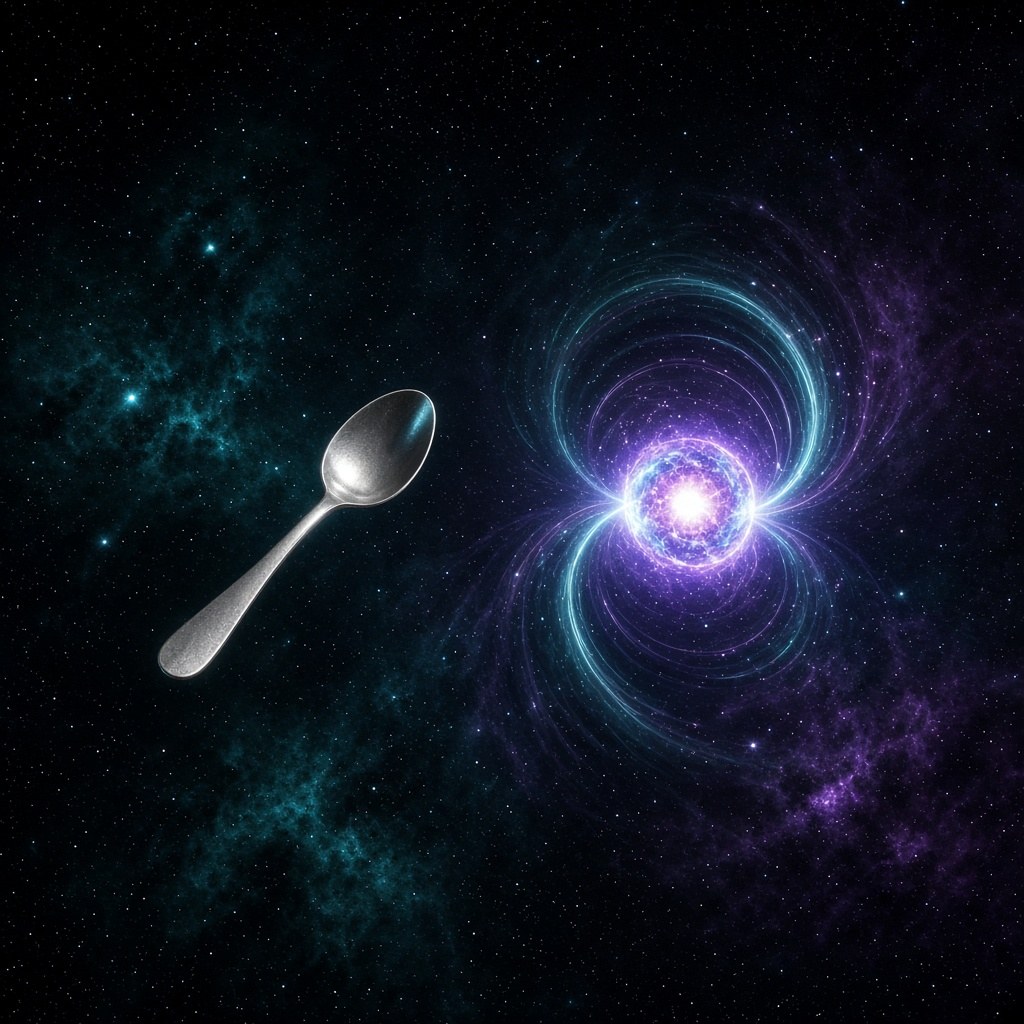
A teaspoon of a neutron star would weigh about 6 billion tons
A rainbow’s arc is always about 42° from the anti-solar point
Batteries move electrons through an external circuit
Diffraction lets light bend around edges
Graphene is a single atom-thick sheet of carbon
Ice is less dense than liquid water
Fermions cannot share the same quantum state
Escape velocity from Earth is about 11.2 km/s
The event horizon is where light cannot climb out
Pressure under 10 meters of water roughly doubles
Earth’s magnetic field flips every few hundred thousand years
Helium is the second-most abundant element in the universe
Entropy of a closed system never decreases
Brewster’s angle makes reflections vanish for one polarization
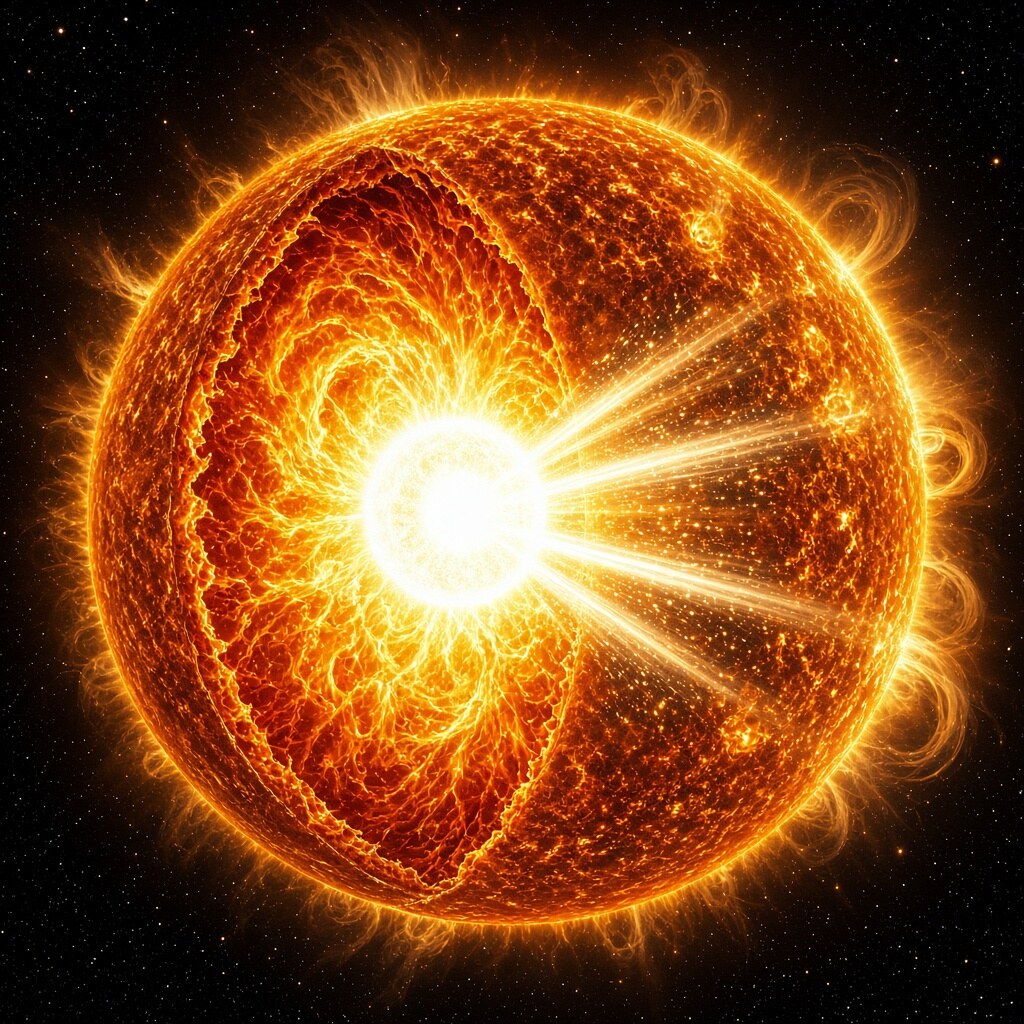
The Sun converts about 4 million tons of mass to energy every second
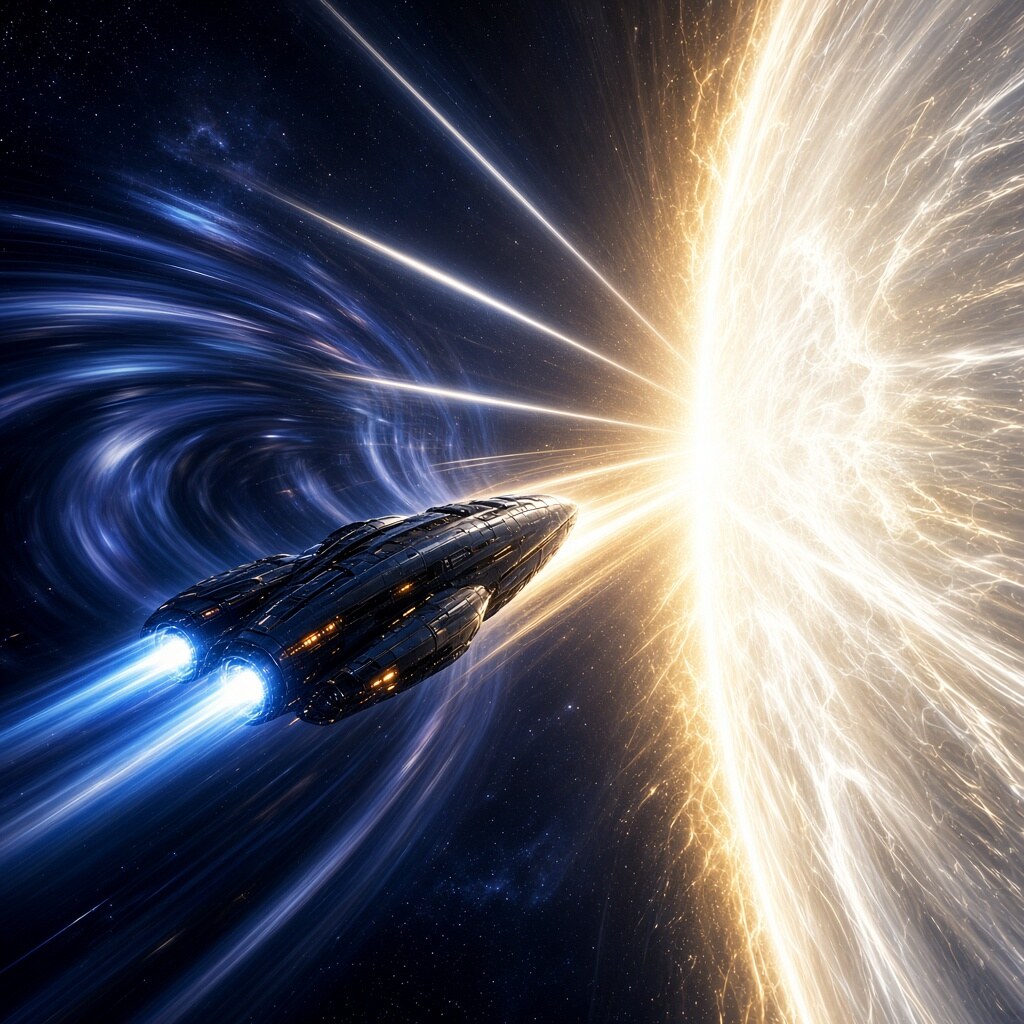
Nothing with mass can reach the speed of light
Venus is hotter than Mercury — despite being farther from the Sun
Earth spins at about 1,670 km/h at the equator
There are about 10²² to 10²⁴ stars in the observable universe
Bose-Einstein condensates act like one giant atom

Physics