







Select the language

Notifications

Loading…
Science Facts

Physics Facts


The cosmic microwave background is ~2.7 K
A lightning bolt carries about 1 billion joules of energy
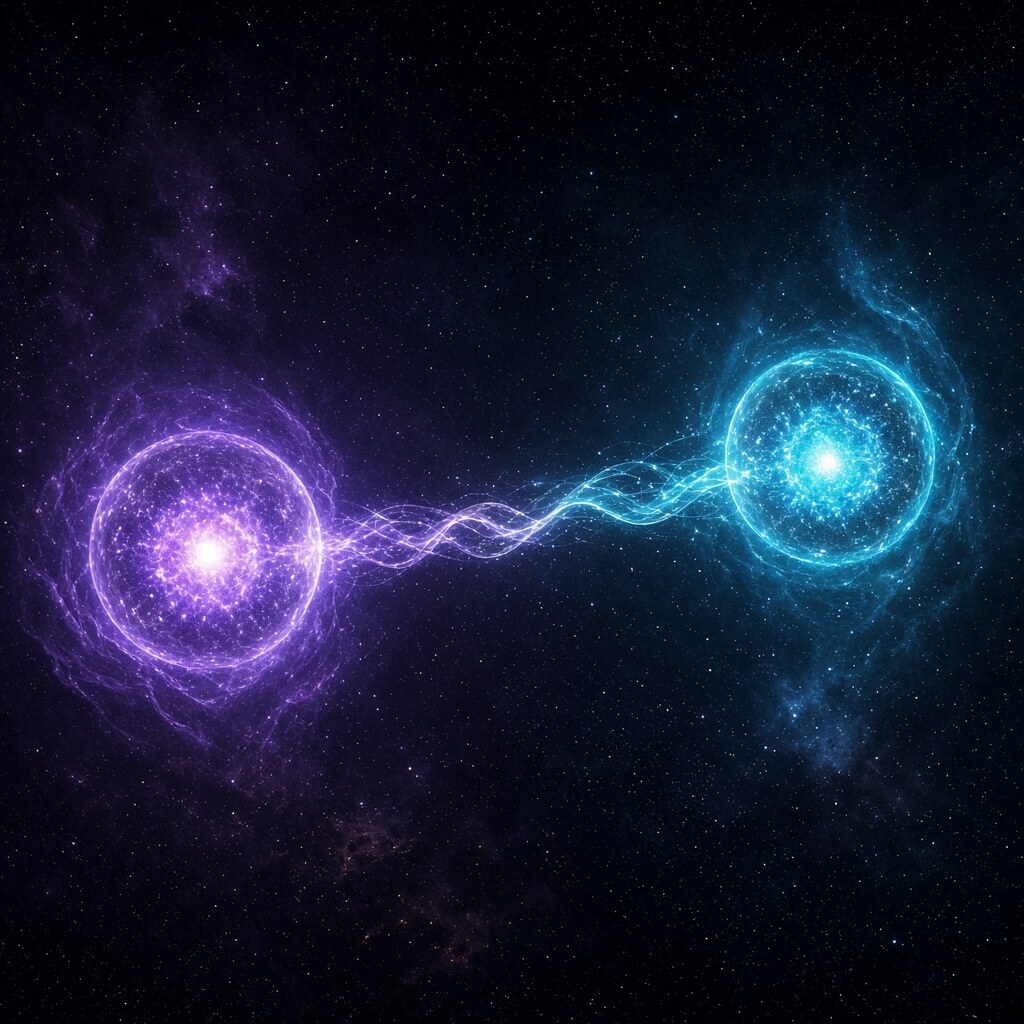
Quantum entanglement links particles across distance
The Chandrasekhar limit is about 1.4 solar masses
The observable universe is about 93 billion light-years across
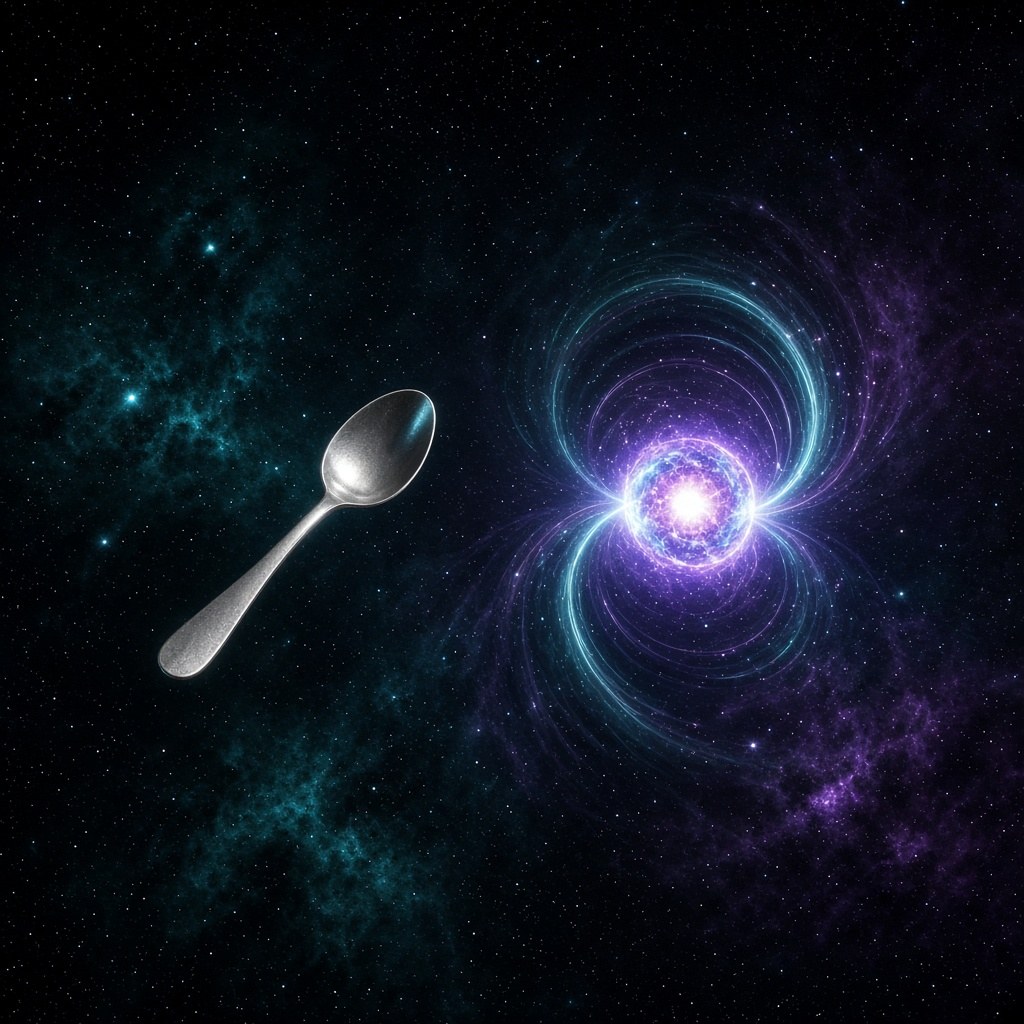
A teaspoon of a neutron star would weigh about 6 billion tons
A rainbow’s arc is always about 42° from the anti-solar point
Graphene is a single atom-thick sheet of carbon
Batteries move electrons through an external circuit
Diffraction lets light bend around edges
Ice is less dense than liquid water
Earth spins at about 1,670 km/h at the equator
The event horizon is where light cannot climb out
Entropy of a closed system never decreases
Escape velocity from Earth is about 11.2 km/s
Venus is hotter than Mercury — despite being farther from the Sun
Earth’s magnetic field flips every few hundred thousand years
Lightning heats air to about 30,000°C
Helium is the second-most abundant element in the universe
Fermions cannot share the same quantum state
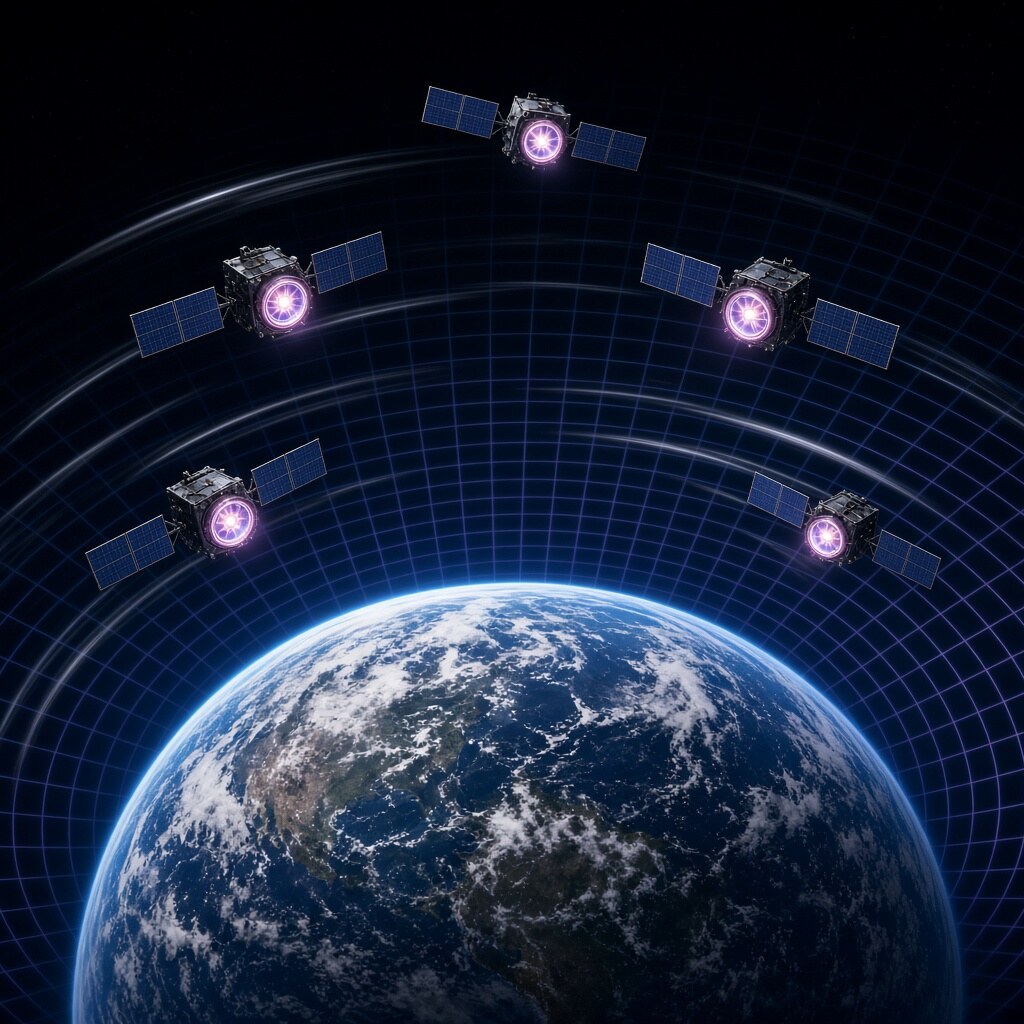
GPS clocks must account for relativity twice
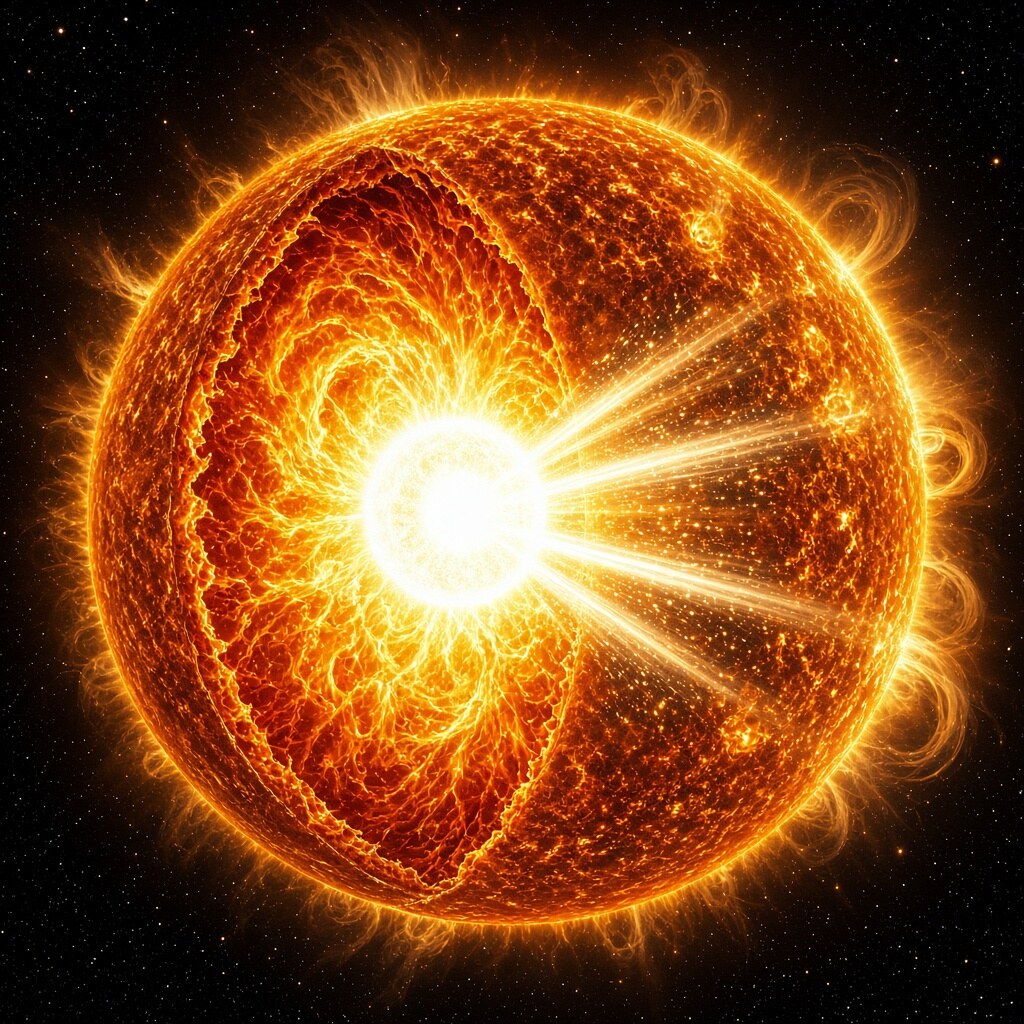
The Sun converts about 4 million tons of mass to energy every second
Time runs slightly faster on a mountain than at sea level
There are about 10²² to 10²⁴ stars in the observable universe
Brewster’s angle makes reflections vanish for one polarization

Physics