


Select the language

Notifications

Loading…

Science Facts

Physics

64 Facts

Chemistry

57 Facts

Biology

22 Facts

Genetics

09 Facts

Earth Science

111 Facts

Materials Science

16 Facts

Quantum Physics

06 Facts

Microbiology

00 Facts

Neuroscience

00 Facts

Optics

07 Facts

Thermodynamics

01 Fact

Astronomy Basics

329 Facts


Tardigrades can survive near absolute zero and extreme radiation
A human body has roughly 37 trillion cells
White light is a mix of many wavelengths
A lightning flash heats air to ~30,000°C
The Planck length is about 1.6 × 10⁻³⁵ meters
T. rex bit with a force of over 35,000 newtons
The Higgs boson was confirmed in 2012 at ~125 GeV
Penicillin was discovered from a contaminated petri dish in 1928
A blue whale’s heart can weigh as much as a small car
Diamond is about 58 times harder than the next hardest mineral
Absolute zero is −273.15°C
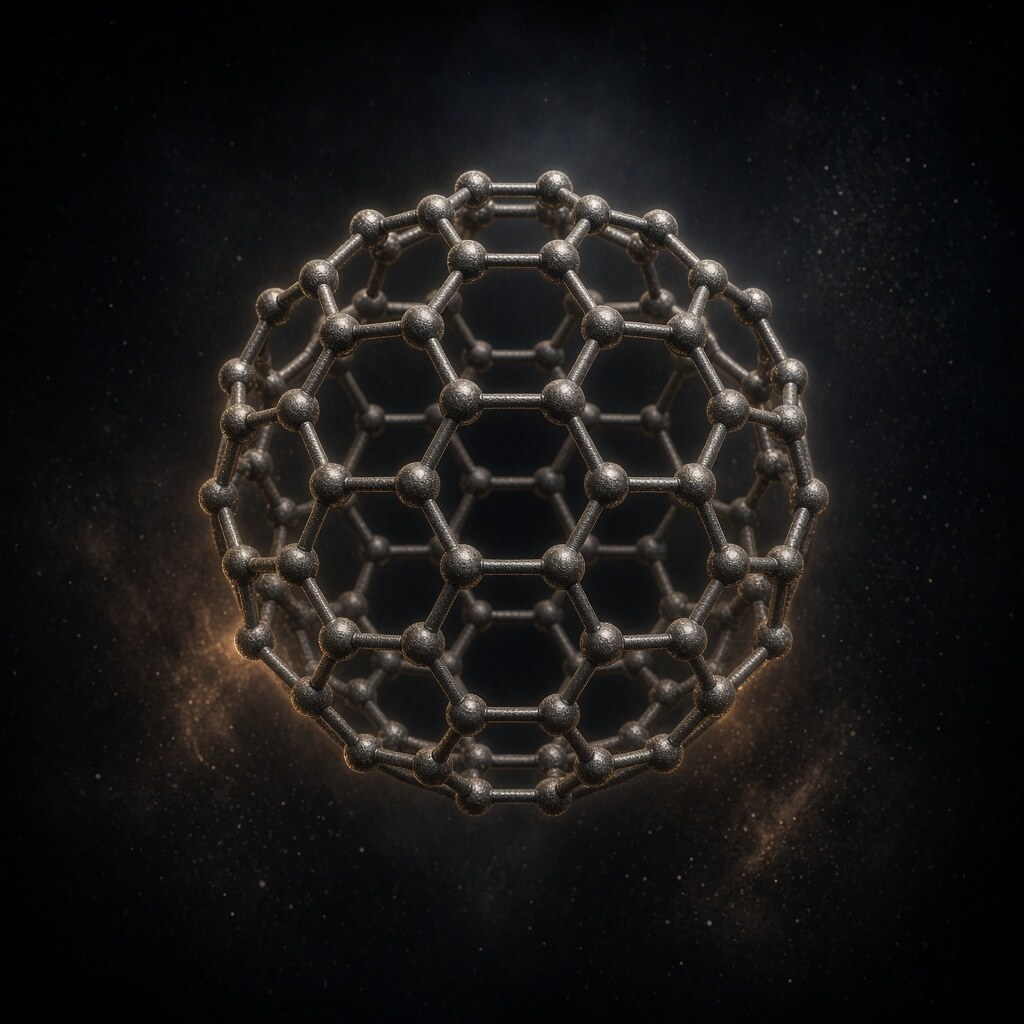
Fullerenes are soccer-ball-shaped carbon cages
Lasers can cool atoms to near absolute zero
Superconductors can levitate magnets
Glass can be stronger than steel — until a scratch appears
Vacuum is never perfectly empty
Glass is not a liquid — it is an amorphous solid
Hard water is rich in calcium and magnesium ions
pH 7 is neutral — but only at 25°C for pure water
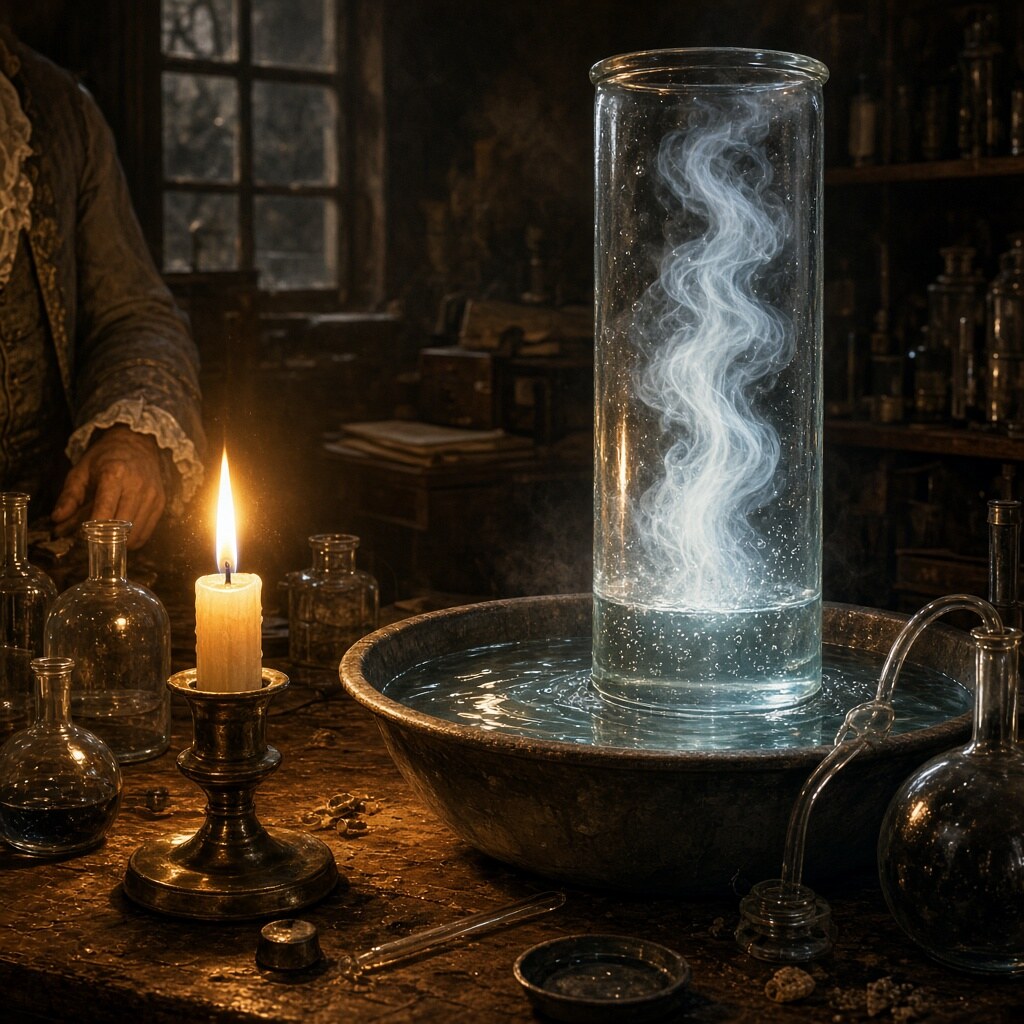
Oxygen was discovered independently around 1774
Polarized sunglasses cut glare from horizontal surfaces
Nuclear fission of 1 kg of uranium-235 releases huge energy
Memory metal can “remember” its original shape
Aerogel is 99.8% air — and can support thousands of times its weight
Octopuses have three hearts and blue blood

Science